REVIEW · UFFIZI GALLERY
Uffizi Gallery: Small Group Tour
Book on GetYourGuide →Operated by FLORENCE & GLOBAL SMALL GROUP TOURS S.R.L.S · Bookable on GetYourGuide
Uffizi can feel like information overload fast. This small-group tour keeps it human sized, so you actually make sense of what you’re seeing while you glide through Florence’s oldest museum. You’ll start with priority entrance and a guide who turns famous paintings into real stories you can remember.
Two things I love about this tour are the small group size (max 15) and the way the guide focuses on key works instead of asking you to read everything alone. It’s also genuinely flexible in practice: guides have been noted for handling late arrivals and making adjustments for guests who need extra care around comfort and timing.
One drawback to plan for: even with priority entry, Uffizi is still busy, and you may run into crowds once you’re inside. The museum is also large, so you’re not seeing every room in 1.5–2 hours.
In This Review
- Key highlights that matter
- Why a small-group Uffizi tour beats wandering alone
- Priority entrance: what you really gain (and what you can’t control)
- The Renaissance masterpieces you’ll focus on
- How the guide helps you read art instead of just viewing it
- Pacing, comfort, and the reality of Uffizi crowds
- Price and value for a $79 small-group highlight tour
- After the guided portion: how to keep enjoying Uffizi
- Should you book this Uffizi Small Group Tour?
- FAQ
- How long is the Uffizi Gallery small group tour?
- What is the group size?
- Does this tour include skip-the-line entry?
- Which languages are available for the guide?
- Is the tour wheelchair accessible?
- Where do we meet?
- Is hotel pickup included?
- What should I bring?
- What is not allowed during the tour?
- Are there days when admission is free?
Key highlights that matter
- Max 15 people means more Q&A and less time trying to see over someone’s shoulder
- Priority entrance uses a separate entrance so you skip the general waiting line
- Expect a focused route through Botticelli, Leonardo, Michelangelo, and other Renaissance heavy-hitters
- Guides like Anna, Rosa, Clara, and Leti are repeatedly singled out for storytelling and engagement
- You get a short guided overview, then time to keep exploring on your own afterward
Why a small-group Uffizi tour beats wandering alone
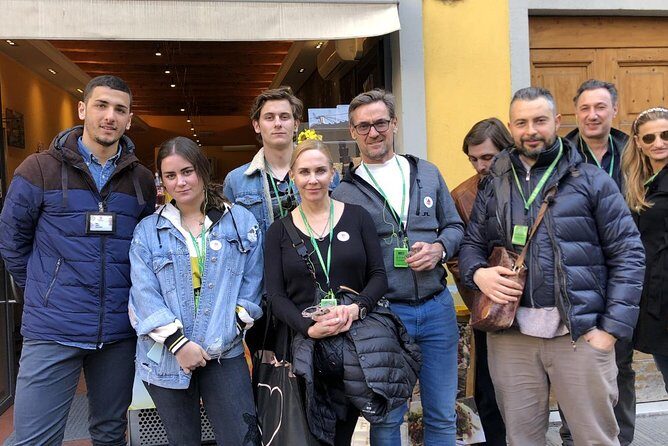
Uffizi is packed with masterpieces, but it can also be mentally loud. The ceiling is gorgeous, the rooms are full, and your brain keeps asking: what am I looking at, and why should I care? This tour is built to answer those questions quickly.
The max 15-person group size changes the whole feel. Instead of moving as a herd, you tend to pause at the artworks that actually anchor the Renaissance story. That matters because Uffizi isn’t just a random museum of famous names. It’s an idea about how art, power, and belief all fit together in one place.
I also like that the tour is guided in multiple languages—Italian, French, Portuguese, Spanish, and English—so you’re not stuck with a translation that misses the tone. And the guides you’re likely to encounter (names like Anna, Rosa, Clara, Leti/Leticia, and Bruce appear in the experience feedback) are repeatedly praised for keeping kids and teens engaged too, which says a lot about how they pace the explanations.
If you like art but get impatient reading placards, this is a strong match. You’ll leave with context that makes the rest of the museum easier to enjoy, even after the guided portion ends.
Other small-group Uffizi tours in Uffizi Gallery


Priority entrance: what you really gain (and what you can’t control)

Let’s talk about the part that makes the difference on a famous, high-demand day: getting in. This tour includes priority entrance with a general line skip, using a separate entrance. Practically, that means less time shuffling, less stress, and more energy for the museum itself.
But here’s the honest caveat: Uffizi can still be crowded once you arrive, and occasionally you might still wait before entry depending on conditions. Even guides who are efficient can’t erase the reality that the museum is popular.
So what should you do with that information? Plan smart.
- Pick the earliest time you can, if your schedule allows. Several experiences note that going early helps avoid shoulder-to-shoulder conditions.
- Arrive a few minutes early and be ready to show up exactly at the right gate/meeting spot, since the meeting point can vary by option.
One more thing that’s worth knowing: the tour environment can include heat and humidity in Florence before you get indoors. Inside is cooler, but you’ll still want the basics (water, comfortable shoes). Some guests have mentioned the walk to the meeting point and then the museum being warm before the tour begins.
The Renaissance masterpieces you’ll focus on

Uffizi is huge. If you try to do it like a checklist, you’ll miss the emotional logic of the collection. This tour doesn’t promise to see everything. It promises to see the core works—and understand why they matter.
Expect stop-and-explain moments around major Renaissance names and iconic pieces, including:
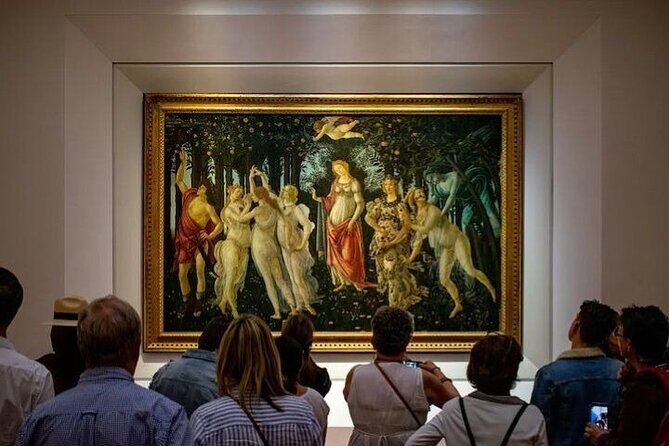
- Botticelli’s Birth of Venus
- Leonardo’s Annunciation
- Michelangelo’s Doni Tondo
That set of works gives you a useful framework. You’re not just moving from “pretty painting” to “famous name.” You’re seeing different approaches to Renaissance art: how figures are posed, how emotion is staged, how religious narratives are made visual, and how patronage and culture shape what gets painted in the first place.
Guides also tend to connect the dots beyond the paintings themselves. One recurring theme in the experiences is that guides talk about the Medici family and the building’s role in Florence’s artistic world, not only the artists. When you understand the patrons and the setting, you stop seeing the art as isolated images and start seeing it as part of a bigger machine.
You’ll also get “what to notice” guidance. That’s the difference between glancing at a painting for 15 seconds and actually seeing what the artist is doing—light, gesture, symbolism, and composition.
How the guide helps you read art instead of just viewing it

This is the tour’s secret weapon: the guide’s job isn’t to recite dates. It’s to teach you how to look.
The best moments happen when you stop treating the Uffizi halls like a gallery maze and start treating them like a story. Guides have been described as explaining Renaissance eras in a way that keeps both teens and adults engaged. You’ll usually get purposeful overviews—what you’re about to see, what to watch for, and how the work fits into the wider Renaissance shift.
A few specific examples that show up in the experiences:
- Guides often give a purposeful route through highlights so the museum doesn’t feel overwhelming.
- Some guides are praised for efficiently navigating inside, including knowing shortcut routes like lifts rather than forcing everyone into multiple stair flights.
- Several guests specifically note that guides connect architecture and the Medici context to what you’re seeing.
Even if you’re not an art-history superfan, that kind of framing helps. You start noticing patterns: repeated symbolism, the way artists show emotion, how realism and ideal beauty get balanced, and how the same themes keep returning in different forms.
If you want a museum visit that feels like a real conversation, not a lecture, this is where it lands. The goal is that, when you walk away, you can talk about why these works became icons, not just that they’re famous.
Pacing, comfort, and the reality of Uffizi crowds
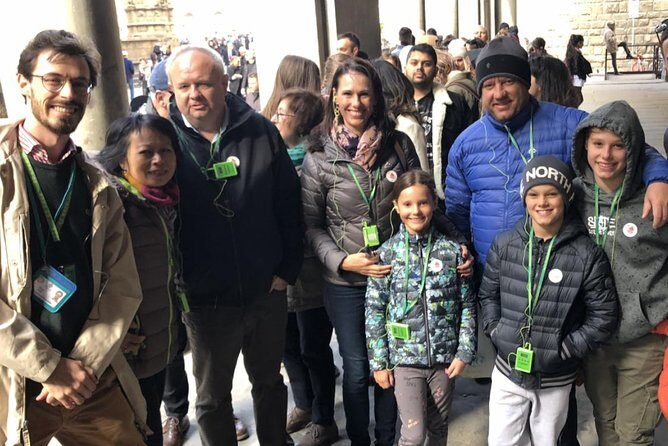
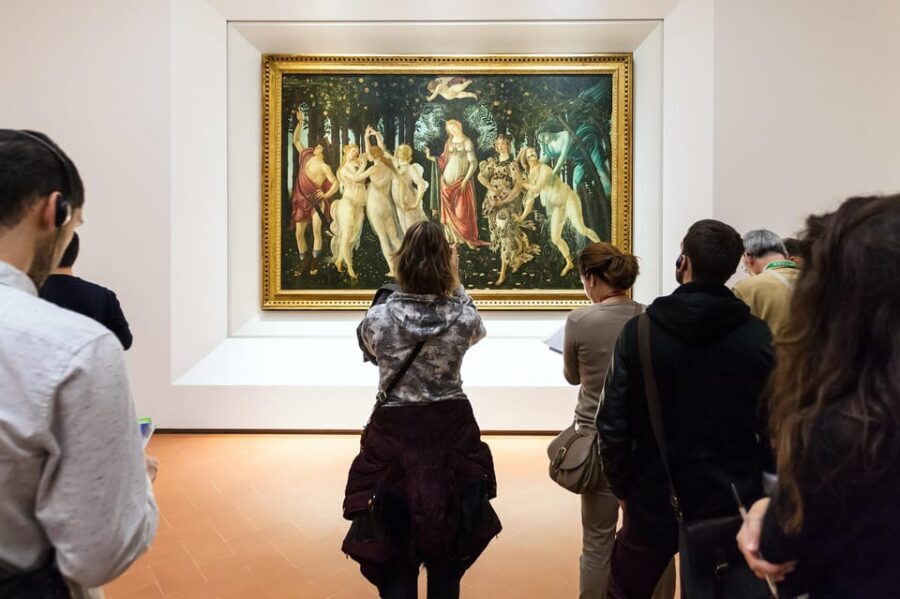
Two hours in Uffizi is both perfect and challenging. Perfect because you get a strong orientation quickly. Challenging because you are still in a museum with crowds, narrow sightlines, and constant movement.
The tour’s small size helps a lot. You’re more likely to be able to ask questions freely and keep up without getting swept away. Guests have also noted that guides stayed attentive to practical needs, including limited mobility and restroom timing, and that they can handle late arrivals with care.
Comfort is still on you though. Wear shoes you can walk in for a while. Keep expectations realistic: Uffizi is dense, and you’ll be standing close enough to other visitors at the biggest artworks. One experience even notes waiting inside before entry and describes the museum as crowded—no one’s guide can magically remove that.
Also pay attention to the rules that shape how you move:
- No luggage or large bags
- No pets
That means if you’re traveling light, great. If you have a daypack, it’s usually manageable, but anything bulky can be a hassle.
And one more practical note: meeting points can be tricky. Some experiences report that Gate 3 was not immediately obvious and required asking staff to find the right entrance. To avoid that stress, arrive early and look for your group’s signal (a visible flag or group marker, where provided).
Other museum experiences in Uffizi Gallery

Price and value for a $79 small-group highlight tour
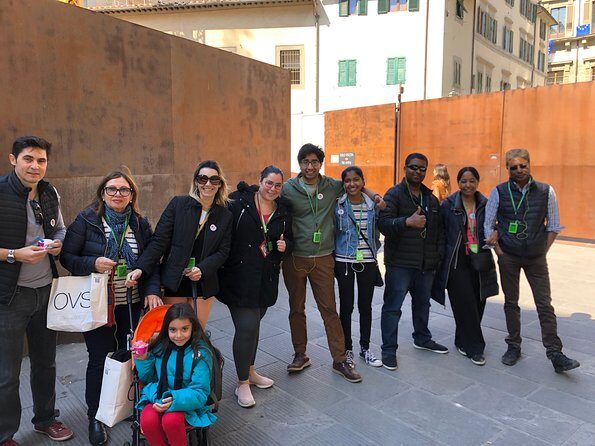
At $79 per person for roughly 1.5–2 hours, the value mostly comes from two places: time saved and meaning gained.
Time saved is real. Priority entry with general line skip matters in Florence when you’re trying to fit museums between meals, tours, and day plans. Even if you still encounter some waiting due to museum flow, reducing the general line crush usually makes your visit start better.
Meaning gained is the bigger part. With Uffizi, your biggest risk is spending the best hours of your day just trying to keep up and not knowing what you’re looking at. This tour is structured to hit the central masterpieces—Birth of Venus, the Annunciation, and Doni Tondo—and give you a guide’s interpretation of the story behind them.
You’re also paying for expert handling: navigation through a complex site, pacing so you don’t burn out immediately, and guidance in multiple languages. And since the group is limited to 15, you’re not paying to stand behind someone’s head while you read tiny labels.
Is it “expensive”? For some budgets, sure. But compared to spending hours lost in a museum you don’t understand yet, it can feel like a shortcut to the best experience.
After the guided portion: how to keep enjoying Uffizi
One of the smartest ways to use this tour is what you do right after it ends.
You’ll finish with a guided overview of the highlights and the Renaissance story. Then you have the chance to keep exploring on your own through the remaining galleries.
That matters because you’ll already have mental anchors. Instead of walking into rooms like a blank slate, you’ll recognize themes, artists, and visual cues. And you can spend more time on what hooked you during the tour, whether that’s Botticelli’s symbolism, Leonardo’s storytelling mood, or Michelangelo’s sculptural thinking translated into painting.
In other words: the guided part gives you bearings fast, and your independent time turns those bearings into a personal museum experience.
Should you book this Uffizi Small Group Tour?
If you want the Uffizi highlights with context and you hate the idea of spending your first visit overwhelmed, I’d book it. The small-group size, priority entrance, and guide-led focus on major works makes it a good use of limited time in Florence.
I’d be more cautious if you’re the kind of visitor who wants to wander room by room with zero structure, or if you’re traveling with large luggage (since it’s not allowed). Also, if you’re booking very late in the day during peak times, crowds can still make the experience feel tight.
Best fit:
- First-time Uffizi visitors who want the top masterpieces explained
- Families traveling together, including teens who need engagement
- Anyone who wants a fast, high-impact orientation without sacrificing questions
FAQ
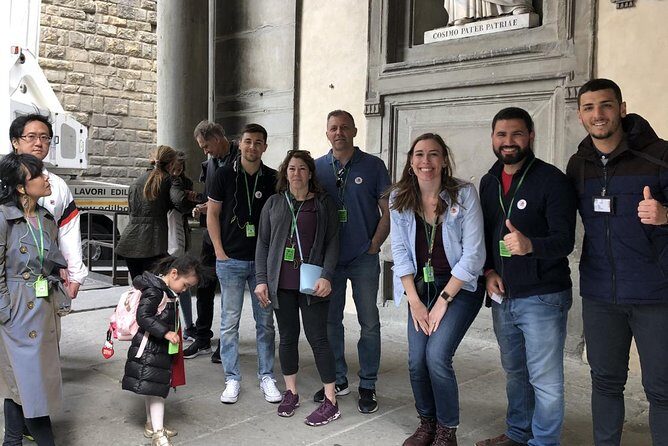
How long is the Uffizi Gallery small group tour?
The tour lasts about 1.5 to 2 hours.
What is the group size?
It’s a small group with a maximum of 15 participants.
Does this tour include skip-the-line entry?
Yes. It includes priority entrance with a general line skip using a separate entrance.
Which languages are available for the guide?
The live guide is available in Italian, French, Portuguese, Spanish, and English.
Is the tour wheelchair accessible?
Yes, the experience is wheelchair accessible.
Where do we meet?
The meeting point may vary depending on the option booked.
Is hotel pickup included?
No. Hotel pickup and drop off are not included.
What should I bring?
Bring a passport or ID card (and the passport or ID card for children).
What is not allowed during the tour?
Pets are not allowed. Luggage or large bags are also not allowed.
Are there days when admission is free?
Yes. On the first Sunday of each month, entrance is free of charge, but tickets can’t be reserved ahead of time, so entry is not guaranteed.
—
If you tell me what month you’re going and what time of day you’re considering, I can suggest a smart strategy for timing inside the museum (so you’re not fighting the busiest crowds).