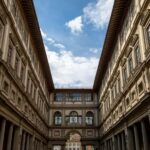
REVIEW · FLORENCE
Florence: Vasari Corridor and Uffizi Gallery Exclusive Tour
Book on GetYourGuide →Operated by Florence Tours by Made of Tuscany · Bookable on GetYourGuide
A corridor built for princes feels like a secret. This exclusive tour ties together the Uffizi Gallery and the once-off-limits Vasari Corridor reopening, with big moments like crossing the Ponte Vecchio from above.
I like two things most: first, the guided Uffizi highlights that point you to major works you’ll recognize instantly; second, the privileged-feeling corridor walk that gives Florence a fresh angle while you move through spaces meant for power, not the crowds.
One thing to consider: the Vasari Corridor experience is mainly a guided passage. If you’re expecting a second gallery with lots of artworks along the way, the 45-minute walk may feel more like a smart connector than a standalone museum.
In This Review
- Key things to know before you go
- Vasari Corridor reopening: why this walk feels different
- Uffizi Gallery start: what you’ll actually spend your time on
- The Medici design lesson: why the 1565 corridor exists
- Walking the Prince’s Path: what the corridor trip feels like
- Uffizi to corridor: why the order makes sense
- Art you recognize, stories you can repeat
- Price and time: is $324 per person worth it?
- Logistics that affect your comfort (and your photos)
- Who should book this tour
- Should you book this Florence Vasari Corridor and Uffizi tour?
- FAQ
- Where do I meet for the tour?
- What time does the tour start?
- How long is the tour?
- Do I need to buy separate tickets for the Uffizi and the corridor?
- Is the Vasari Corridor accessed directly from the Uffizi?
- What artworks are highlighted during the Uffizi visit?
- What can’t I bring on the tour?
- Is the tour wheelchair accessible?
Key things to know before you go
- Exclusive access to the Vasari Corridor, directly connected to the Uffizi route
- Uffizi first, then corridor, so you don’t lose your momentum after art
- Crossing Ponte Vecchio on the way, with standout city views from an unusual vantage point
- Short but focused corridor time, about 45 minutes on foot
- A Medici story with real architectural purpose, commissioned in 1565 and built in about five months
- Top-notch guides make the difference, with examples like Jadranka and Francesca highlighted for clear storytelling and smart pacing
Vasari Corridor reopening: why this walk feels different
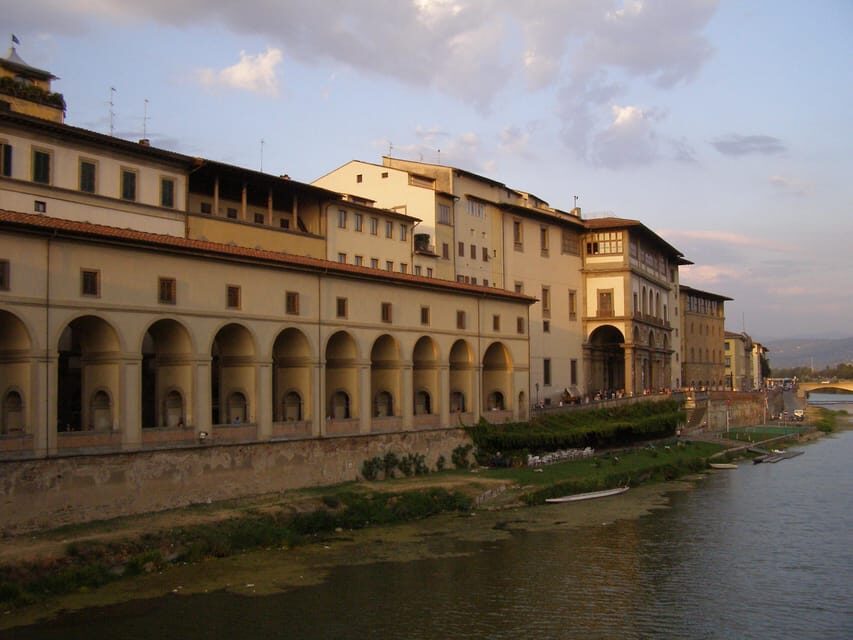
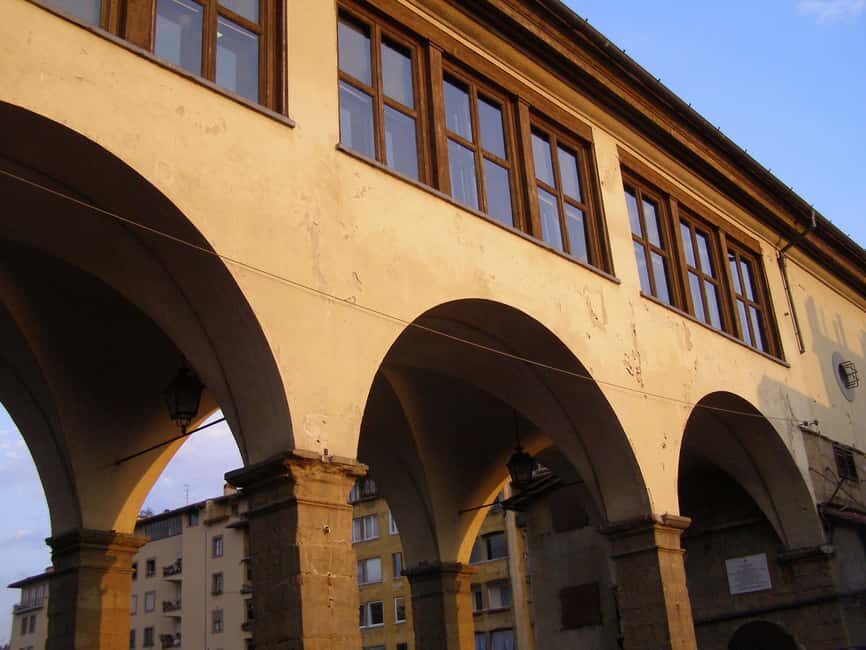
There’s Florence, and then there’s Florence-with-permission. The Vasari Corridor is the latter: a sky-bridged, elevated connection designed so the Medici court could travel between palaces without mingling with ordinary people. That “no mingling” idea matters, because it changes how you see the route. You’re not just crossing space—you’re tracing power.
This tour leans into that. You begin at the Uffizi, then move into the corridor via direct access. That matters in practice: it keeps the experience tight, instead of turning your day into a patchwork of timed entries and long wandering.
It also helps that the corridor’s reopening is itself a headliner. It’s not every day you get a chance to walk a famous passage that was historically restricted and then carefully reopened for visitors.
Other VIP Uffizi tours in Florence

Uffizi Gallery start: what you’ll actually spend your time on
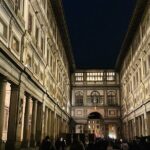
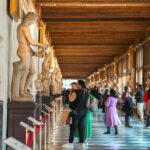
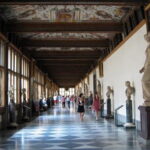
Your tour begins at the Uffizi Gallery, and the art time is the heart of the outing—about 2 hours with a live guide. The value here is not just seeing famous works. It’s having someone connect the dots so you don’t stand in front of a masterpiece thinking, Okay, now what?
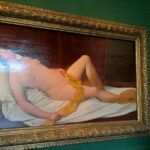
You should expect the guide to steer you toward iconic pieces people come for, including Botticelli’s Venus works, Michelangelo’s Tondo Doni, Leonardo da Vinci’s Annunciation, and Titian’s Venus of Urbino. Even if you’ve seen photos of these paintings for years, seeing them in person hits differently—especially when your guide explains what makes each work tick.
A practical upside: you’ll skip the ticket line. That can save you a chunk of stress, and in Florence that’s not a small thing. Still, there can be museum entry slowdowns even when your tickets are reserved, so plan to stay calm if you hit a queue at the wrong moment.
The Medici design lesson: why the 1565 corridor exists
The corridor wasn’t built as a stroll. It was commissioned in 1565 by the Grand Duke of Tuscany, Cosimo I de’ Medici, with Giorgio Vasari as architect. The construction reportedly took only about five months.
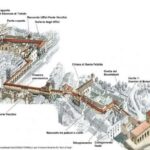
That timeline and purpose change how you interpret what you’re about to walk. This was an engineered solution: a controlled route linking palaces. It allowed the court to pass over and around the city without mixing with the public. Once you know that, the corridor stops being a quirky architectural curiosity and starts looking like political infrastructure.
As you go, the guide’s job is to make that history feel usable. A good guide will also help you notice the corridor’s “movement logic”: how it turns the city into a backdrop you watch from above, rather than a place you’re part of at street level.
Walking the Prince’s Path: what the corridor trip feels like
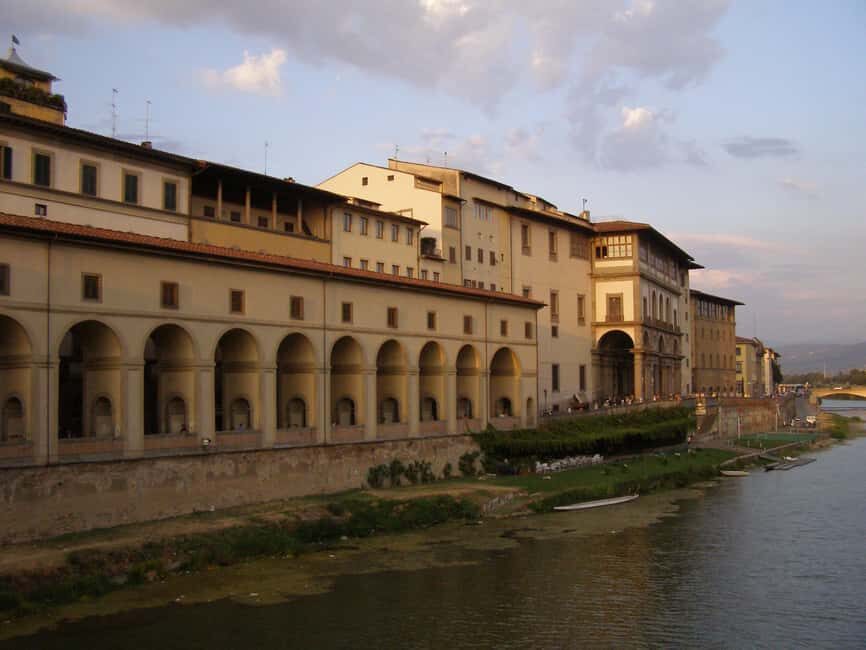
Once you enter the Vasari Corridor, you’re in the part of the tour most people dream about: the once-restricted passage itself. This segment runs about 45 minutes and is guided, with sightseeing along the way.
The corridor’s “best use” depends on your expectations. If you want a long sequence of rooms like a museum wing, you might be underwhelmed. The corridor is more of a hallway with views and a curated sense of purpose. But if you like walking through meaning—architecture, history, and perspective in motion—this section is the payoff.
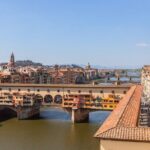
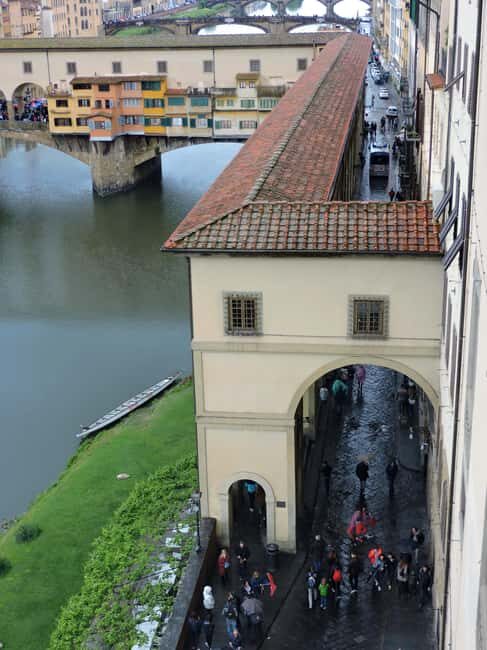
Here’s the big visual moment built into the experience: you cross the Ponte Vecchio during the route and you get Florence from an unusual angle. That matters because Ponte Vecchio is already one of the city’s most photographed streets. Seeing it and the surrounding city context from the corridor perspective gives you a new map in your head.
And yes, you can also get a sense of why the Medici route was worth building quickly. The corridor compresses travel into a controlled line, turning time and movement into something manageable for the court.
Uffizi to corridor: why the order makes sense
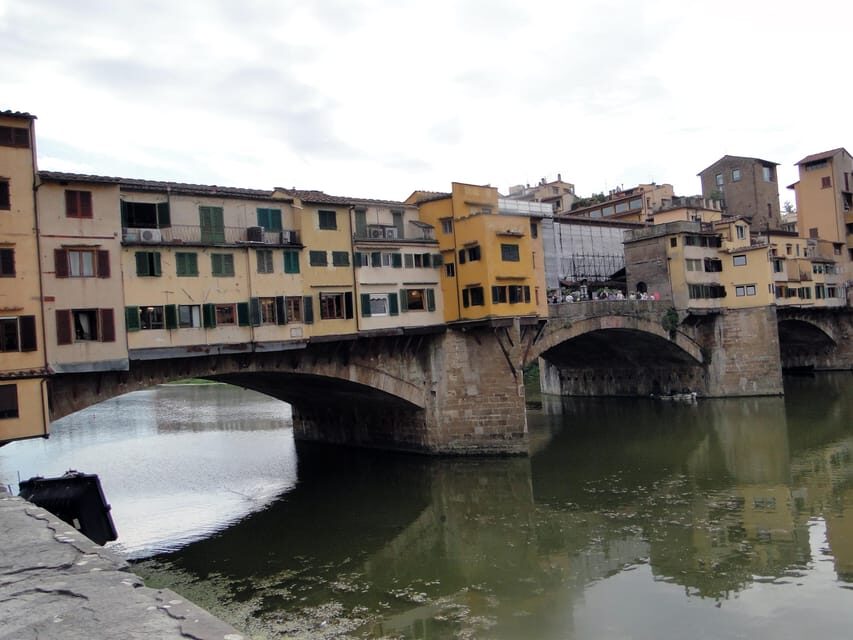
Starting at the Uffizi and then transitioning into the corridor isn’t random. It’s a smart flow. You begin with heavy art, guided so you don’t miss the key themes. Then you move into the corridor, which shifts your focus from paintings to the environment—architecture and sightlines.
That shift can be refreshing. It also helps you avoid the most common Florence fatigue problem: spending hours indoors without any change of pace. A guide can time it so you’re not mentally spent when you enter the corridor.
Another practical point: because you have direct access to the corridor from the Uffizi area, you’re not hunting for connections across town. That keeps your day clean and simple.
Other Uffizi + Vasari Corridor tours in Florence
Art you recognize, stories you can repeat
The best part of an art tour is walking away with something you can actually talk about later. In the reviews and in the way these tours are run, the strongest guides are the ones who pick specific works and then build a path of meaning around them.
I’m especially encouraged by the guide anecdotes that show how the experience can become both informative and lightly humorous. Guides like Jadranka have been singled out for connecting facts about Florence and the Medici family to what you’re seeing, and Francesca has been praised for patient, organized storytelling that keeps people moving through a crowded museum.
That kind of approach matters because the Uffizi can be overwhelming. The guide’s job is to help you prioritize. Instead of trying to see everything, you see the right things in a way that makes the bigger collection feel coherent.
Price and time: is $324 per person worth it?
At $324 per person for about 2.5 hours, this tour isn’t cheap. It’s also not trying to be. The price makes more sense when you factor in three things:
1) Exclusive corridor access
That’s the headline. You’re paying for entry to a route most people never get.
2) A guided Uffizi route with real selection
You’re not just buying admission. You’re buying a person who knows how to point you toward the works that matter and how to explain them.
3) Time efficiency and private-group pacing
You get private-group structure, live guide presence, and a smoother transition from Uffizi to corridor than you’d likely manage on your own.
That said, you do need to match expectations to reality. The corridor walk is short. If your priority is maximizing uninterrupted time inside the Uffizi, this might feel like a trade-off. On days when specific works are not on view, you also lose some flexibility. So I’d call this a best-fit tour for people who want the corridor experience itself, not just another museum tour.
Logistics that affect your comfort (and your photos)
This tour is built for people who show up with the right setup. You’ll want to bring a passport or ID card. You should also plan for the no-stuff policy: no oversize luggage, no food and drinks, no backpacks, and no large bags. Plastic bottles are also not allowed.
That means you’ll travel light. If you’re the type who likes having a big daypack with water, snacks, and layers, adjust before you arrive. Florence walking days are easier when you cut back.
Good news for many visitors: the tour is wheelchair accessible. And it’s offered with a live guide in multiple languages—Italian, English, Spanish, French, and German—so you can choose a language match that actually helps you understand the art and history.
Who should book this tour
This is a strong match if you:
- Want the Vasari Corridor experience specifically, not as an optional add-on
- Like guided art explanations that pick a few masterpieces and make them matter
- Prefer a shorter, structured Florence outing over a long self-guided day
- Enjoy architectural history and city perspectives as much as painting
It might not be your best choice if you:
- Want maximum time in the Uffizi and see the corridor as a distraction
- Expect a long sequence of corridor artworks instead of a guided passage with major view moments
Should you book this Florence Vasari Corridor and Uffizi tour?
Book it if the idea of walking the once-restricted Vasari Corridor and getting the Ponte Vecchio perspective is what you came to Florence for. The combination with an organized Uffizi tour is a smart pairing, and the private-group format helps you feel guided without being pushed around.
Skip it (or look at alternatives) if your top goal is simply to spend hours inside the Uffizi with no other storyline. The corridor experience is powerful, but it is also brief, and it won’t replace a longer, art-heavy museum day.
If you’re trying to decide, here’s the simplest test: do you want the corridor as the main event? If yes, this tour is a strong value for what you get. If no, you’ll likely prefer to keep your time focused on the Uffizi alone.
FAQ
Where do I meet for the tour?
Meet in front of the Neptune Fountain in Signoria Square, Florence.
What time does the tour start?
The tour begins at the Uffizi Gallery. Starting times depend on availability.
How long is the tour?
The total duration is about 2.5 hours, including guided time at the Uffizi and the corridor walk.
Do I need to buy separate tickets for the Uffizi and the corridor?
The tour includes guided access and you’ll skip the ticket line, but you should still have your required ID with you.
Is the Vasari Corridor accessed directly from the Uffizi?
Yes. The tour is designed with direct access from the Uffizi to the Vasari Corridor.
What artworks are highlighted during the Uffizi visit?
You can expect to see major works such as Botticelli’s Venus paintings, Michelangelo’s Tondo Doni, Leonardo da Vinci’s Annunciation, and Titian’s Venus of Urbino.
What can’t I bring on the tour?
Oversize luggage, food and drinks, luggage or large bags, and backpacks aren’t allowed. Plastic bottles are also not allowed.
Is the tour wheelchair accessible?
Yes, it is wheelchair accessible, and a private group format is offered.