REVIEW · FLORENCE
Florence: Private City Walking Tour with Accademia & Uffizi
Book on GetYourGuide →Operated by CAF Tour & Travel · Bookable on GetYourGuide
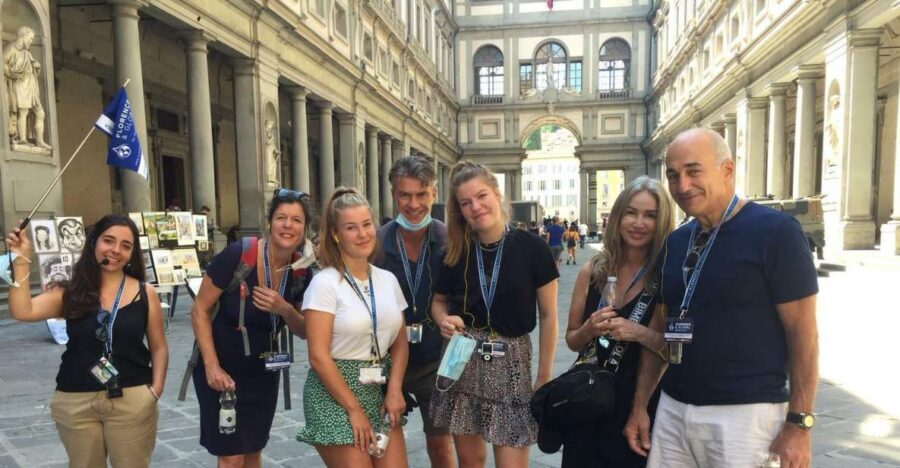
Florence can feel like a museum marathon. This private 4-hour walk is built for focus: Accademia first for Michelangelo, then city streets and squares, and finally the Uffizi to close with major Renaissance hits. I like that you get a local guide shaping what you see, not just reading labels.
Two things I particularly enjoy: seeing Michelangelo’s David with reserved entry (so you don’t burn time), and then getting a guided route through key landmarks like the Duomo complex and Piazza della Signoria. The only real drawback to plan for is crowd rhythm. Even with skip-the-line access, security checks can slow museum entry at busy times.
In This Review
- Key Highlights You’ll Feel on This Tour
- A Private 4-Hour Plan That Actually Makes Sense
- Starting at Accademia: Michelangelo’s David Without the Time Sink
- Walking the Duomo Complex: Dome, Baptistery, and Giotto’s Bell Tower
- Orsanmichele and the Orcagna Tabernacle: Gothic Art in Plain Sight
- Mercato della Paglia and Piazza della Signoria: Art Meets Civic Power
- Uffizi Gallery: Botticelli, Masterworks, and a Finish That Feels Big
- Price and Value: What $390.83 Buys You Here
- Practical Tips That Keep This Tour Comfortable
- Who This Tour Is Best For (And Who Might Prefer Another Style)
- Should You Book This Florence Private City Walking Tour?
- FAQ
- What time does the tour start?
- How long is the tour?
- What museums are included?
- Are earphones provided?
- What languages is the live guide available in?
- Can the tour help with long lines?
- Are there rules about drinks inside museums?
- Is this tour refundable if plans change?
- FAQ
- Is this tour suitable for people with mobility impairments?
- What happens if the museum entry is busy?
Key Highlights You’ll Feel on This Tour
- Skip-the-line, reserved entry into both Accademia and Uffizi, with guaranteed admission
- Michelangelo’s David as the anchor stop at the Accademia
- A smart walking route that links art to place, including Duomo views and Piazza della Signoria
- Earphones provided at both museums to keep the guide easy to hear
- Stops tailored to Florence’s visual story, from Orsanmichele to Mercato della Paglia’s piglet sculpture
- A strong Uffizi finale featuring Botticelli’s The Birth of Venus
A Private 4-Hour Plan That Actually Makes Sense
This tour is designed as a tight circuit: start at 9:15 AM at the Accademia, walk through central Florence landmarks, and end back at the same meeting point after about 4 hours. You’re not racing across the city. You’re moving in a logical order that keeps the morning art-heavy and the street time purposeful.
Because it’s a private group with a local professional guide, the pacing tends to be smoother. If your guide notices you’re into architecture more than sculpture, they can put more emphasis there. One review specifically called out the guide’s ability to connect world-famous art with the city itself, and that’s exactly how this kind of tour feels when it’s done well. (In one case, the guide named Gabriele stood out for being both knowledgeable and personable.)
Other private Uffizi tours in Florence
Starting at Accademia: Michelangelo’s David Without the Time Sink
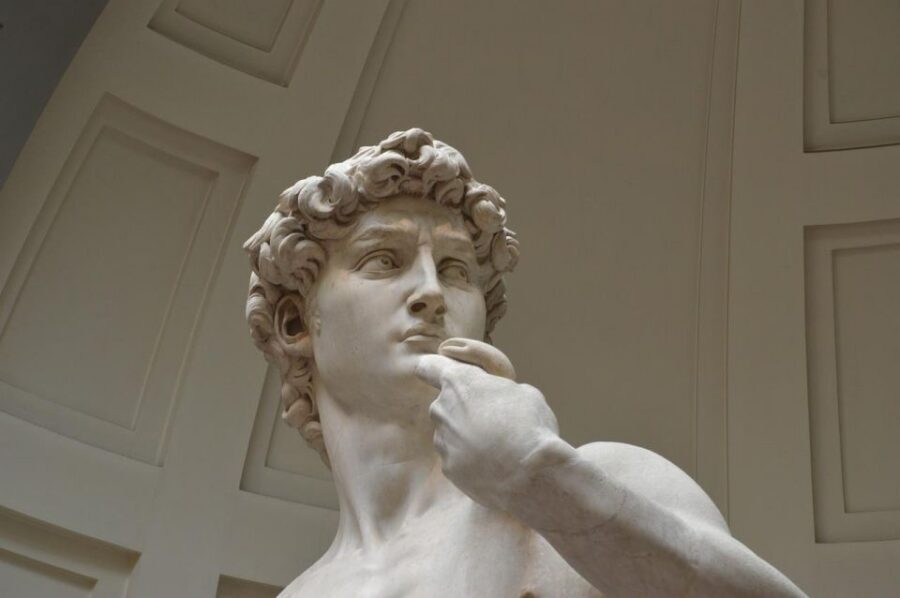
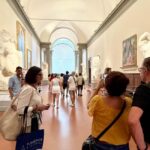
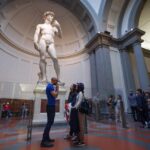
You meet at 9:15 AM at the Accademia Gallery, in front of the entrance reserved for booking holders. That detail matters. Florence is famous for lineups, and museum queues can eat your morning. Here, you get entrance fees with reservations and skip the general ticket line, plus earphones at the Accademia, so you can hear your guide clearly even with museum noise and foot traffic.
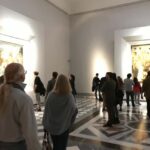
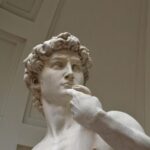
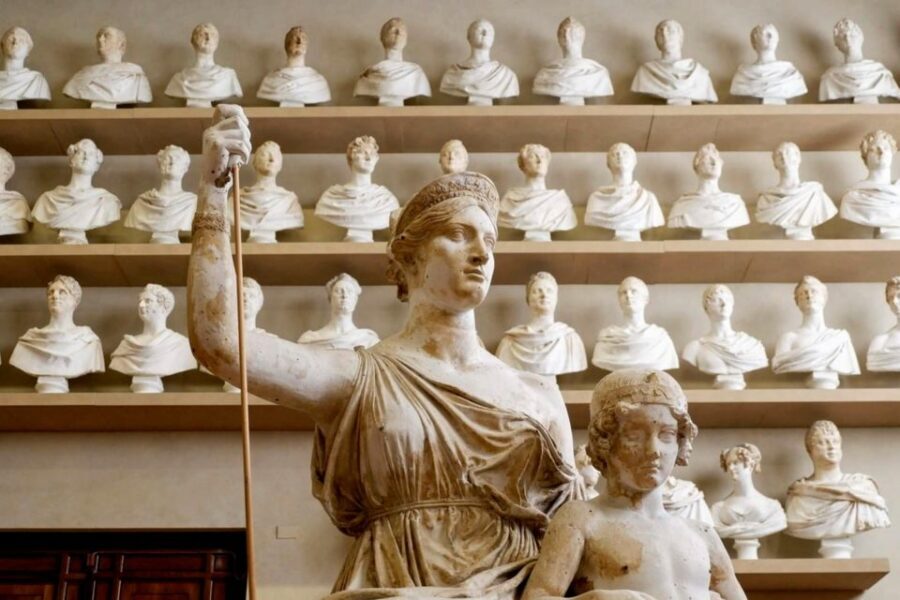
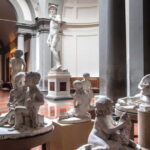
Inside, the Accademia is all about sculpture and the Renaissance mindset—human proportion, realism, and the drama of posture. And yes, Michelangelo’s David is the headline. What makes it worth prioritizing early is simple: it’s easier to get oriented before the galleries fill with late arrivals and day-trippers.
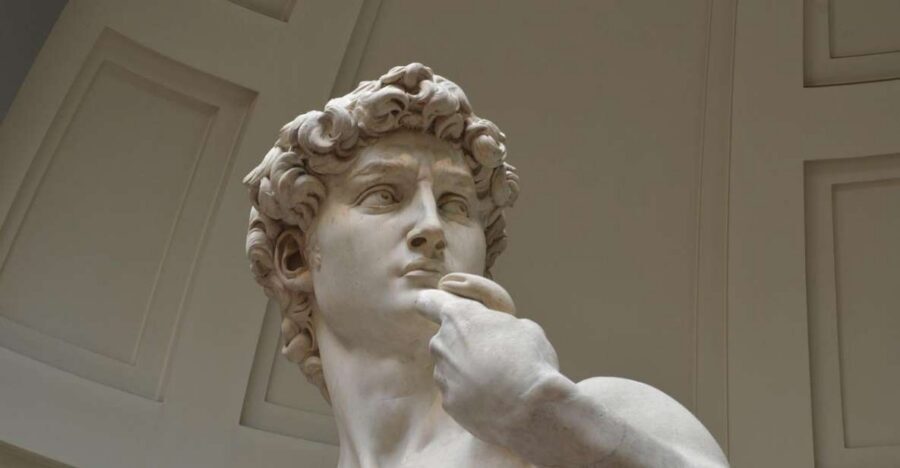
What you’ll get from a guide here is the difference between seeing David as a famous statue and understanding why it became a symbol. Your guide can point out the cues—stance, expression, and the way the work communicates power. Even if you’ve seen photos, being there in person with context is a different experience.
Possible snag to note: museum security procedures can still create delays at peak times. Skip-the-line helps, but it doesn’t make you immune to scanning and bag checks.
Walking the Duomo Complex: Dome, Baptistery, and Giotto’s Bell Tower
After the Accademia, you shift from indoor art to Florence’s outdoor showpiece—the Duomo complex. The walk is where the city starts teaching you how to look.
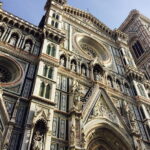
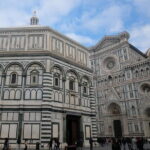
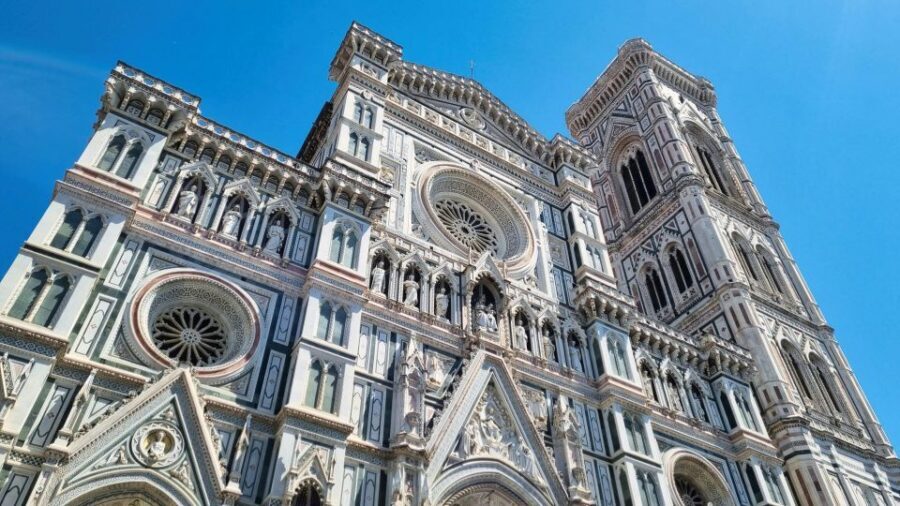
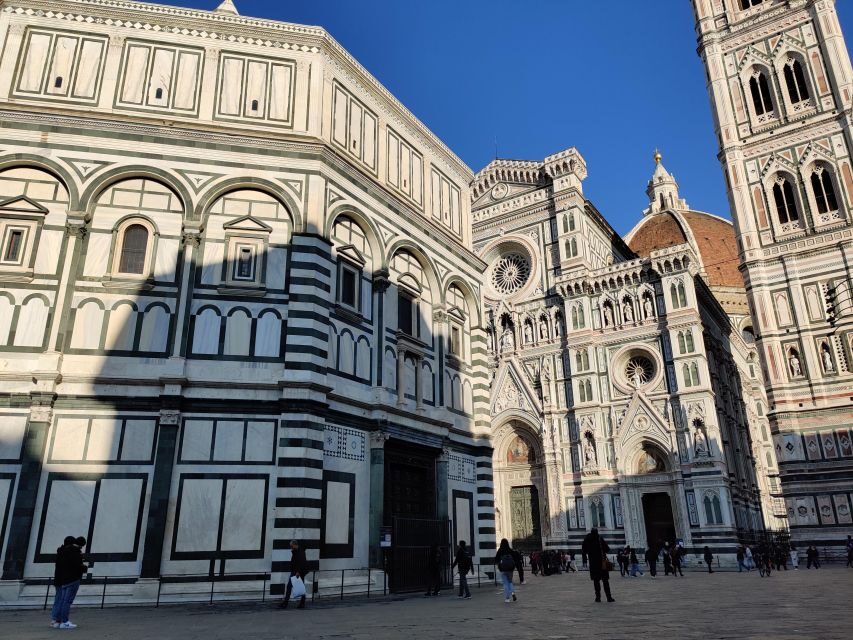
You’ll see the Duomo Cathedral’s Dome, designed by Brunelleschi. Seeing the dome from different angles changes how you understand it. It’s not just impressive; it’s a visual lesson in engineering thinking during the Renaissance—bold, mathematical, and practical all at once.
You’ll also admire the Baptistery and Giotto’s Bell Tower. These stops matter because they’re not random “pretty buildings.” They’re part of how Florence developed its identity. Your guide’s job is to connect the architecture to what people valued at the time—religion, civic pride, and artistic ambition.
A practical bonus: this part of the tour helps you get your bearings fast. If you’re arriving in Florence for the first time, landmarks like these give you anchors for the rest of your day.
Orsanmichele and the Orcagna Tabernacle: Gothic Art in Plain Sight
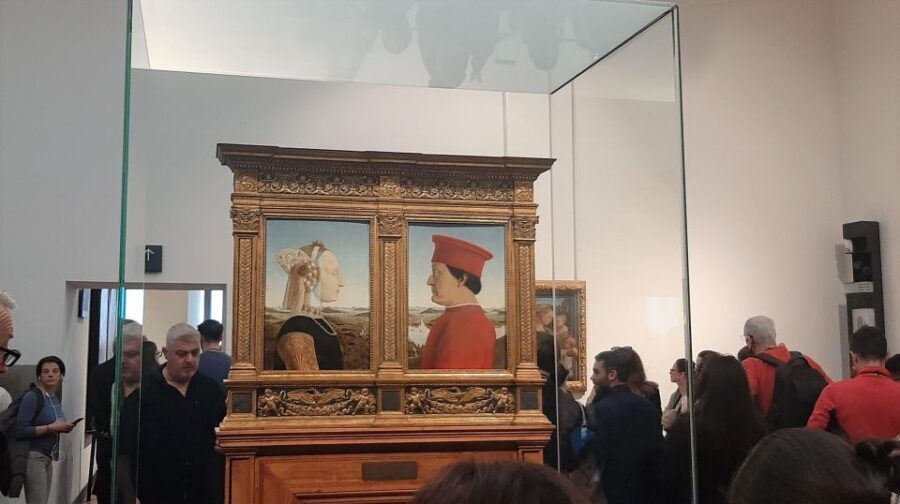
One of the smartest segments on this route is Orsanmichele. This is the kind of church stop that feels like it belongs in Florence, not on a checklist. Instead of only chasing the biggest names, you get a chance to see a specific Florentine Gothic highlight: the Orcagna Tabernacle.
The value here is variety. Accademia gives you Renaissance sculpture energy. Then the Duomo complex brings in monumental architecture. Orsanmichele adds a different artistic texture—more narrative, more detail, more “what is happening in this work?” energy.
Your guide can help you slow down. That’s important with church art, because the most interesting parts are usually the ones you might miss if you’re just moving quickly through doorways.
Mercato della Paglia and Piazza della Signoria: Art Meets Civic Power
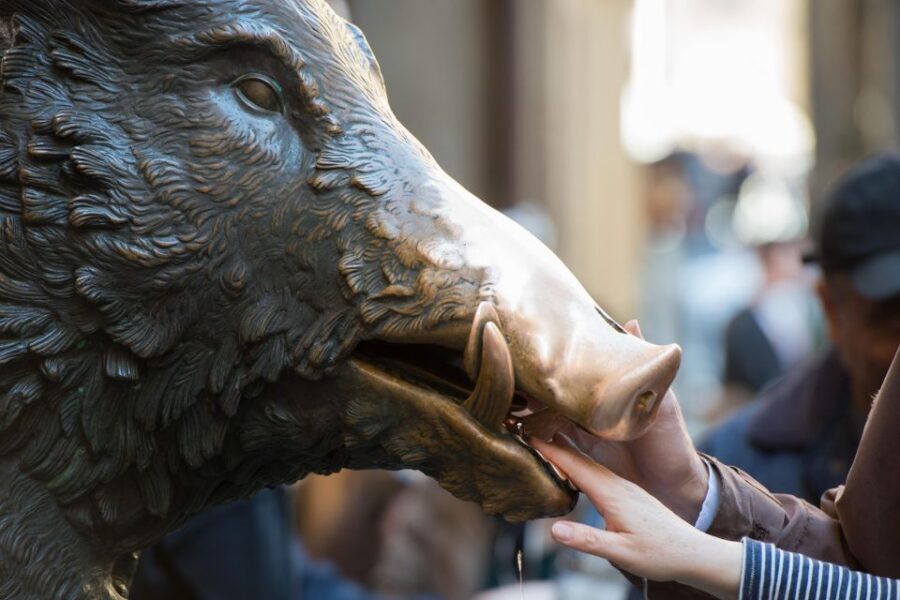
Next comes a change of mood: Mercato della Paglia, known for its charming “piglet” sculpture. This is the kind of Florence detail you only notice if someone points it out. It’s small, fun, and memorable—an easy palate cleanser between major monuments.
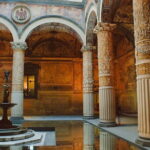
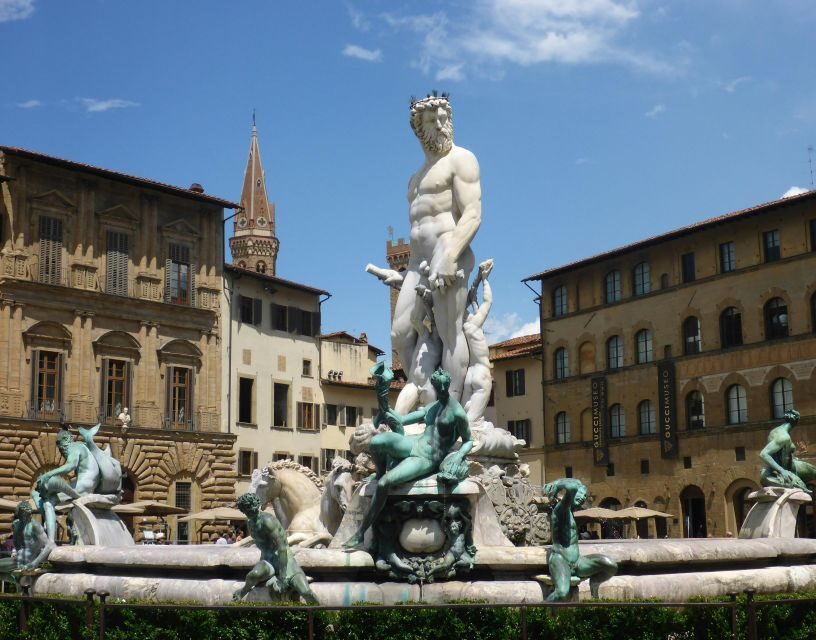
Then you land at Piazza della Signoria, where Florence’s political and artistic sides overlap in one space. You’ll see the Loggia dei Lanzi sculptures and the Palazzo Vecchio, including its distinctive crenellated tower.
Here’s what I like about putting this square into a morning route with museums: it helps you understand why so much art was made. Florence wasn’t only a place for patrons with taste. It was a place where civic identity was built in public. The result is a city where art and politics sit side by side, sometimes literally on the same walls and in the same open air rooms.
Other Uffizi + Accademia (David) tours in Florence
Uffizi Gallery: Botticelli, Masterworks, and a Finish That Feels Big
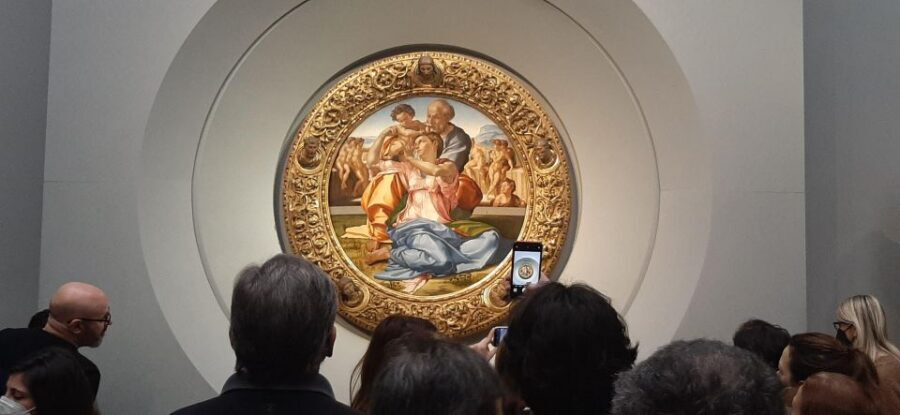
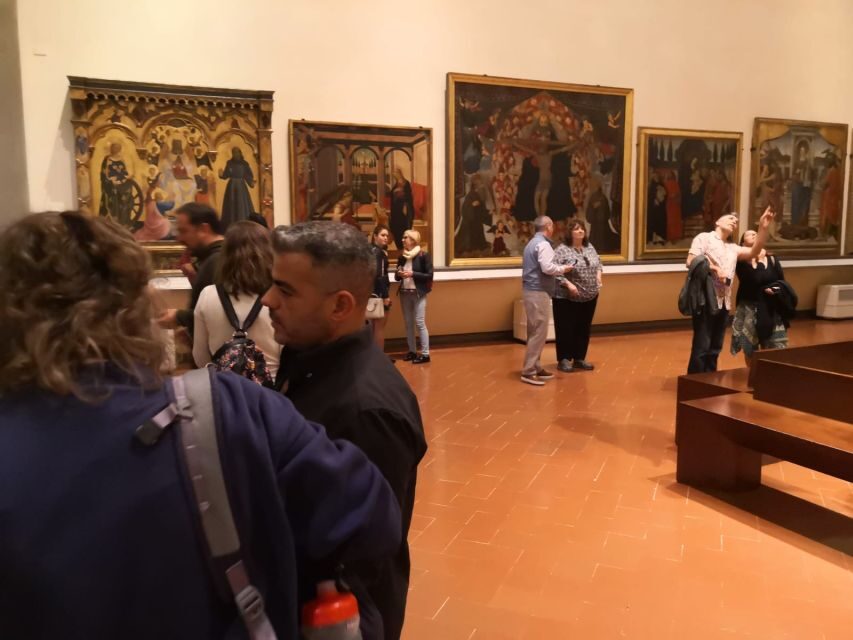
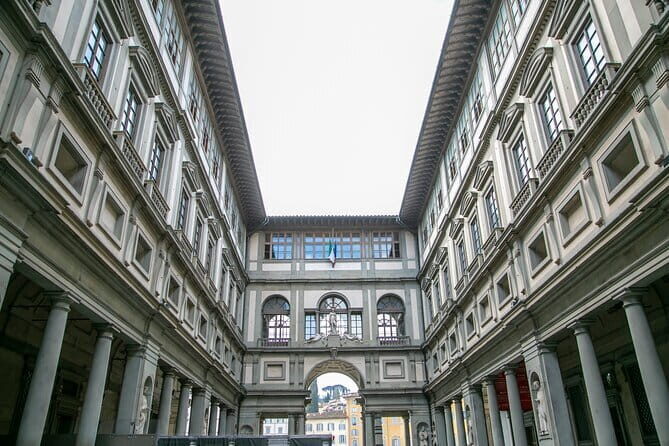
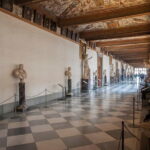
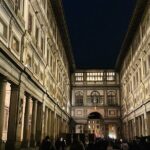
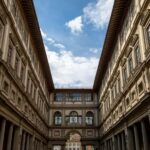
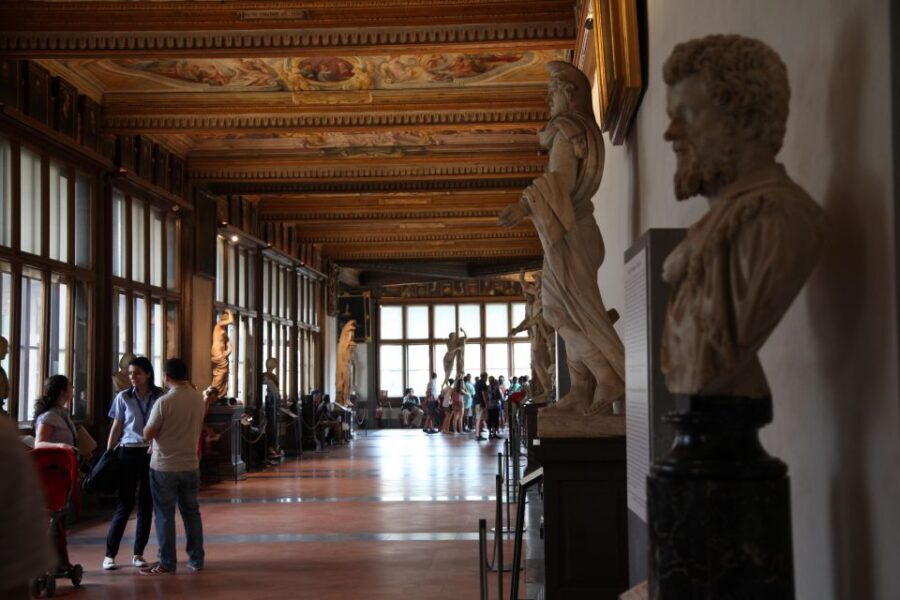
You end at the Uffizi Gallery, one of the most important art museums in Europe. The Uffizi can feel overwhelming if you don’t have a plan. This tour helps by shaping what you notice first and what you should keep your eye out for as you go.
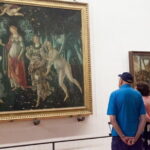
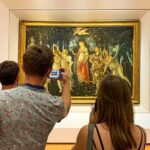
You’ll be guided through major highlights, including Botticelli’s The Birth of Venus. That’s a museum “must-see,” but the guided value is how your guide frames it. The famous image becomes more than a painting on a wall—you start recognizing themes, style, and why it has endured.
As with the Accademia, you get skip-the-line tickets and earphones. At the Uffizi, there’s an added detail: if the group is more than 7 people, headsets are compulsory to enter inside. Even if you aren’t in a large group, the earphones are still a smart inclusion because you’ll hear your guide without standing shoulder-to-shoulder.
Real-life consideration: Uffizi crowds can trigger security procedures that create some delay. Your reservations help, but timing still matters. If you’re the type who hates waiting, plan your day around the idea that the museum entry line might move slowly once checks begin.
Price and Value: What $390.83 Buys You Here
At $390.83 per person, this is not a “cheap and cheerful” outing. So you need to judge it like a local would: what’s included, and what do you save by having it done this way?
Here’s what you’re paying for:
- A private local professional guide for 4 hours
- Reserved entrance fees for both Accademia and Uffizi
- Skip-the-line entry into the museums (so you don’t lose half your morning to general lines)
- Earphones to keep the experience from turning into guesswork
In plain terms, you’re buying time back and smoother logistics. If you tried to do this on your own, you’d likely spend extra time figuring out routes and timing, then fight entry lines during peak hours. With this tour, the structure is doing the heavy lifting.
Is it worth it? If you care about art and you want a guide to help you see the “why” behind famous works, the price starts to look reasonable. If you’re the type who just wants photos and fast viewing, a guided private route may feel like more cost than you need.
Practical Tips That Keep This Tour Comfortable
This is where Florence museum rules can surprise you, so keep a couple specifics in mind.
- Water rules inside museums: only bottled water up to 0.5 liters is allowed inside. No drinking is allowed inside the exhibition rooms. Authorities at the metal detector may remove bottled or canned beverages, even if you planned to bring them “just in case.”
- Earphones at both museums: use them so you can hear your guide while staying in a comfortable viewing position.
- Order can vary: the overall flow includes Accademia, then the walk through major landmarks, and then Uffizi. But your guide may adjust the order based on what makes the most sense in the moment.
Also remember this tour is not suitable for people with mobility impairments. If mobility is a factor, ask for alternatives rather than trying to force it.
Who This Tour Is Best For (And Who Might Prefer Another Style)
This is a strong match if:
- You want a private guide who can explain what you’re seeing at Accademia and Uffizi
- You like Florence as a walking city and want landmark context, not only museum rooms
- You appreciate a route that connects art to buildings like the Duomo complex and civic spaces like Piazza della Signoria
It might be less ideal if:
- You prefer a fully self-paced visit with no scheduled walking segments
- You’re sensitive to museum crowds and security procedures (even with reservations and skip-the-line access)
- You need mobility-friendly options, since the tour is not suitable for mobility impairments
Should You Book This Florence Private City Walking Tour?
If you’re going to Florence for a short visit and you want the biggest art hits plus key landmarks in one morning, I think this is a smart booking. The private guide element matters, because it turns the Accademia and Uffizi from “check it off” stops into a connected story of Renaissance art and civic identity. One guide name came through in feedback—Gabriele—and that’s exactly the kind of personable, city-savvy guide you hope to get for this route.
Book it if you’re willing to follow museum rules, you can handle some crowd movement, and you want your time in Florence to be guided rather than improvised. Skip it if you mostly want casual photos, or if you have accessibility needs that won’t work with this walking-and-museum plan.
FAQ
What time does the tour start?
It starts at 9:15 AM at the Accademia Gallery, in front of the entrance reserved for booking holders.
How long is the tour?
The tour lasts 4 hours.
What museums are included?
The tour includes the Accademia Gallery and the Uffizi Gallery, with reserved entrance and skip-the-line entry.
Are earphones provided?
Yes. Earphones are provided at both the Accademia Gallery and the Uffizi Gallery.
What languages is the live guide available in?
The guide is available in English, French, German, Italian, and Spanish.
Can the tour help with long lines?
Yes. The tour includes skip the ticket line with reserved admission for the Accademia and Uffizi.
Are there rules about drinks inside museums?
Yes. Only bottles of water up to 0.5 liters are allowed inside the museums, and there is no drinking allowed inside the exhibition rooms.
Is this tour refundable if plans change?
Free cancellation is available up to 24 hours in advance for a full refund.
FAQ
Is this tour suitable for people with mobility impairments?
No, it is not suitable for people with mobility impairments.
What happens if the museum entry is busy?
Even with reservations and skip-the-line tickets, admission can still be subject to delays due to security procedures during busy times.