REVIEW · FLORENCE
Uffizi Gallery Tickets: Step into the Heart of Renaissance Art
Book on Viator →Operated by Star Florence · Bookable on Viator
Florence’s art power is waiting for you. This Uffizi ticket setup matters because it gives time-slot entry and connects you to the Medici collection that shaped Renaissance art in one of Europe’s most famous galleries. You get a clear ticket plan for an experience that’s often sold out in high season.
The Uffizi is huge, so one day can feel tight if you want to slow down. Also, plan as if re-entry later the same day may not be possible, so you’ll want to do your must-sees first.
Key takeaways before you go
- Skip-the-line style entry with your reserved time slot, even in peak season (unless the museum is hit by delays or strikes).
- Medici-focused viewing: statues, busts, and the story of Anna Maria Luisa de’ Medici and the family’s gift to the city.
- Big-name artists on one route: Giotto, Cimabue, Duccio, Botticelli, Leonardo da Vinci, Michelangelo, Caravaggio, Raphael, and more.
- A standout dramatic painting: Artemisia Gentileschi’s Judith and Holofernes.
- Your own pace: no guided tour included, so you can spend time where your eye grabs first.
- Bring less: pets and large luggage are not allowed.
In This Review
- Uffizi Tickets in Plain English: What You’re Actually Buying
- Choosing Your Time Slot: Beat Crowds Without Rushing
- Where You Meet: The Statue of Leonardo da Vinci Setup
- The Uffizi’s Big Idea: How Art Changes Through Time
- Medici Masterpieces Beyond Paintings: Statues, Busts, and Anna Maria Luisa
- The Renaissance “Must-See” Route: Who to Look For First
- Artemisia Gentileschi’s Judith and Holofernes: Why It Stops People Cold
- How Long You’ll Need: 1 Day Is Enough If You Plan Like It’s Not
- On-Site Cafe and Break Time: Don’t Skip the Reset
- Ticket Value vs a Guided Tour: When This Works Best
- Booking Smart: The Real Reason Ahead-Planning Matters
- Should You Book This Uffizi Experience?
- FAQ
- What does the ticket include?
- How long is the Uffizi Gallery visit?
- Where do I redeem my ticket?
- Is this a guided tour?
- Are pets or large luggage allowed?
- Can I cancel for a refund?
Uffizi Tickets in Plain English: What You’re Actually Buying
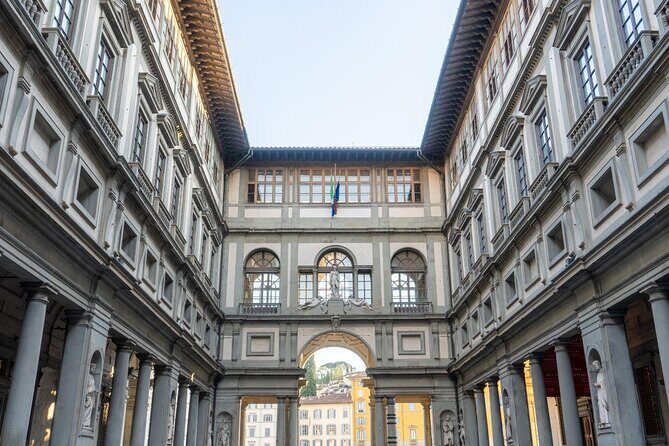
You’re paying for one main thing: a reserved admission time plus the ticket/entry handling that helps you avoid the worst of the day-of chaos. The Uffizi is one of those places where “walk up and see” is not a plan—it’s a gamble. So the value here is mostly about certainty.
This package includes the ticket and reservation to the Uffizi Gallery. It does not include a guided tour, food, or hotel pickup/drop-off. That matters because you’re essentially running your own museum strategy inside the gallery. If you love making decisions on the spot—choosing which rooms to linger in, skipping what doesn’t grab you, and building your own order—this works well.
And because tickets can be hard to get, booking ahead is not just “nice,” it’s the way to get the exact time slot that fits your day in Florence. On average, this is booked about 77 days in advance, which tells you the demand is real and the easy options disappear fast.
Choosing Your Time Slot: Beat Crowds Without Rushing
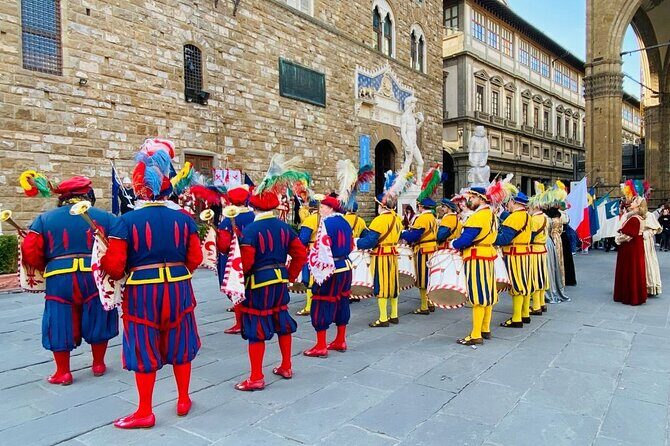
The Uffizi’s challenge is simple: it’s packed with art and it’s popular. Your best advantage is arriving at your reserved time and then spending your attention wisely.
If you can, I’d aim for the morning. You’ll tend to have more energy, the museum often feels less crowded early, and you’re more likely to finish your core route without panic-checking the clock. One review highlighted that the Uffizi can swallow half a day quickly, and the lesson is clear: the earlier you start, the less likely you are to feel like you’re sprinting.
Also, plan around the fact that the museum is large. Even if you only “skim,” you’ll still want time to move between rooms, re-orient, and stop for the works you came for. One practical tip: pick a short list of priorities (three to five items) before you arrive. When the museum gets overwhelming, that list keeps you grounded.
Other Renaissance art tours at the Uffizi in Florence

Where You Meet: The Statue of Leonardo da Vinci Setup
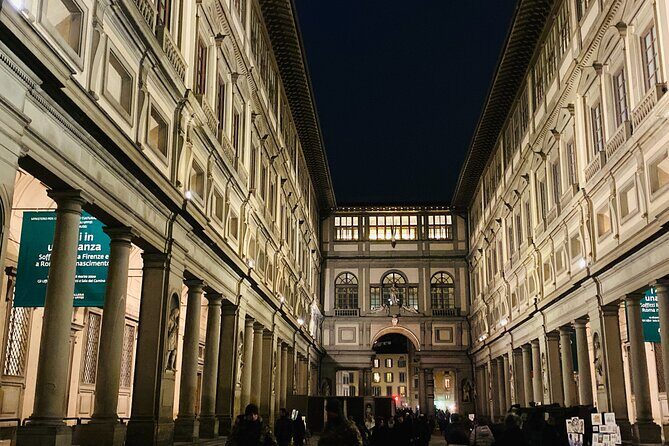
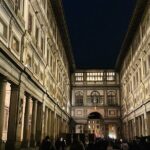
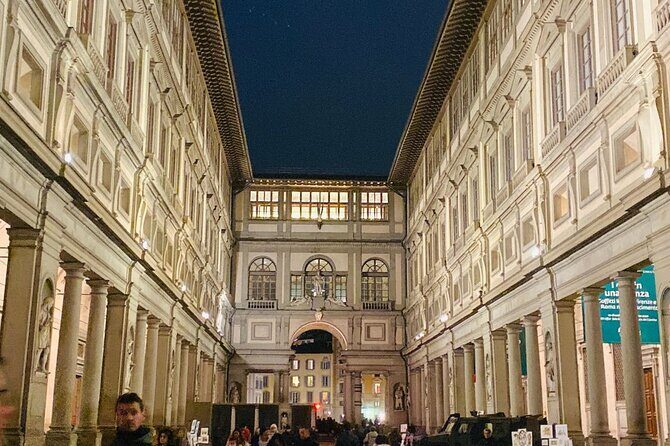
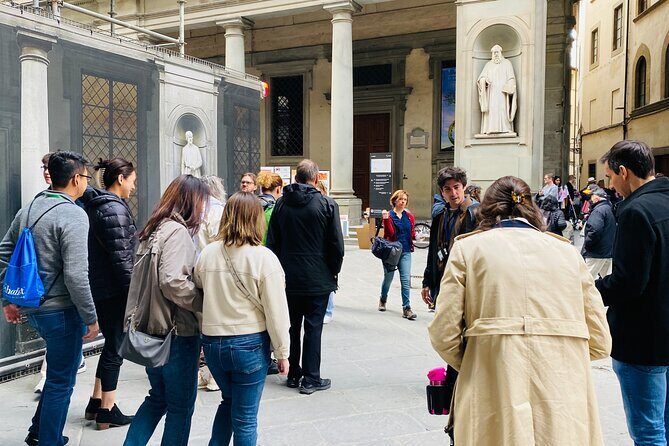
Your ticket redemption point is outside at the Uffizi area: Statue of Leonardo da Vinci, Piazzale degli Uffizi, 209, 50122 Firenze FI, Italy. Go here at your reserved time window and make sure you’re standing at the right landmark before you assume anything is wrong.
A big reason people feel stressed is that they’re searching from the wrong starting point. If you do one thing to make the day easier, it’s this: navigate to the exact statue location and arrive a bit early. Florence rewards calm logistics.
Once you redeem your reservation, you can focus on the museum itself rather than wasting your first minutes figuring out what line is for what.
The Uffizi’s Big Idea: How Art Changes Through Time

Inside the Uffizi, the story moves through major eras, starting with the foundations and then rolling into the Italian Renaissance. You’ll see the development of art through the Middle Ages and Renaissance, not just a random collection of famous paintings.
That framing is valuable because it helps you notice changes that you might miss if you only chase headlines. For example, early works often feel more symbolic and stylized. Later Renaissance works start showing increasing interest in realism, depth, and human emotion. When you can watch that shift unfold room by room, the museum becomes more than a list of names—it becomes a visual timeline.
This is also where the Medici angle pulls its weight. The Uffizi is strongly tied to the powerful dynasty that commissioned and collected so much of the art and talent that defined Florence. You’re not just looking at beauty—you’re seeing how wealth, taste, and power influenced what got made and preserved.
Medici Masterpieces Beyond Paintings: Statues, Busts, and Anna Maria Luisa
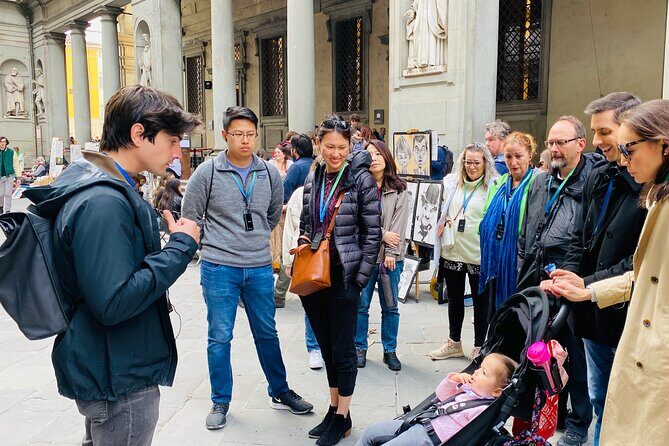
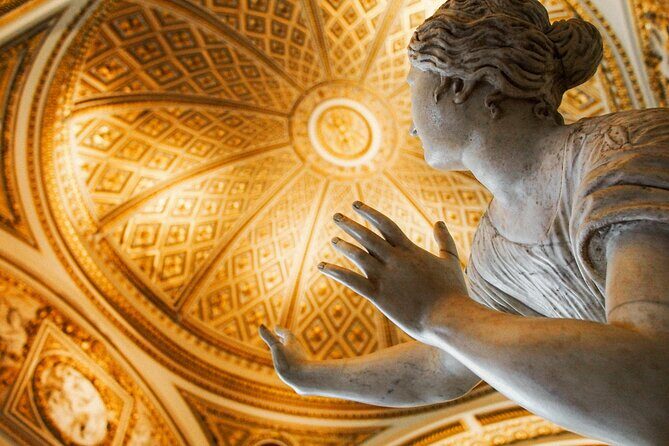
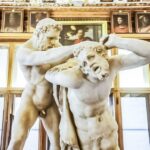
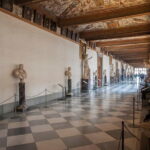
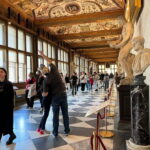
One reason the Uffizi feels different from a typical painting museum is that the display includes priceless Medici holdings of ancient statues and busts along the hallways. These are ancient Roman copies of sculptures from extinct Greek originals, which adds an extra layer to what you’re seeing.
It’s a bit of a mind trick in the best way. You’re looking at a Roman interpretation of older Greek forms, presented centuries later as part of a Renaissance collection. That chain of copying and collecting explains why museums like this still matter today: they’re not only about original artists, but also about how later eras chose to remember the past.
Then you’ll find the portrait of Anna Maria Luisa de’ Medici, the last surviving Medici and a key figure in donating the family’s collections to the city. For me, that portrait scene is a reminder that museums aren’t inevitable. They’re political, cultural, and personal decisions—made by people with power and intent.
If you’re the type who enjoys context, don’t rush these areas. They set the tone for what comes next.
The Renaissance “Must-See” Route: Who to Look For First
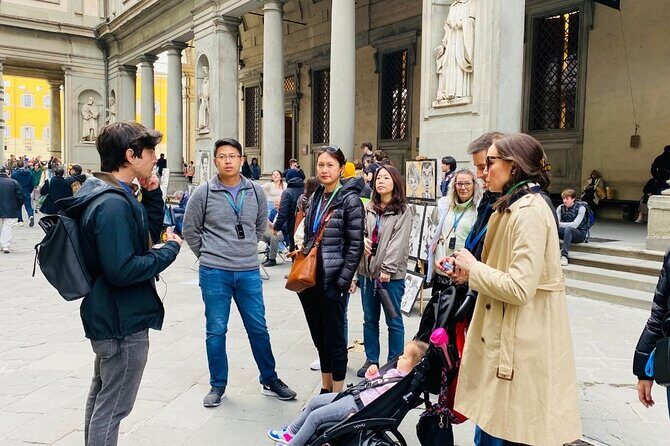
When you walk into a museum this famous, it’s easy to try to see everything and end up seeing nothing well. So here’s the practical approach I’d use: decide your top works first, then let the rest happen naturally.
The Uffizi is known for paintings by artists like Giotto, Cimabue, Duccio di Buoninsegna, Botticelli, Caravaggio, Raphael, and Leonardo da Vinci, among others. If you care about the Renaissance story, these names aren’t just famous—they’re milestones.
Here are the works and artists you’ll want on your personal shortlist:
- Giotto, Cimabue, and Duccio to anchor the shift from earlier styles into Renaissance momentum.
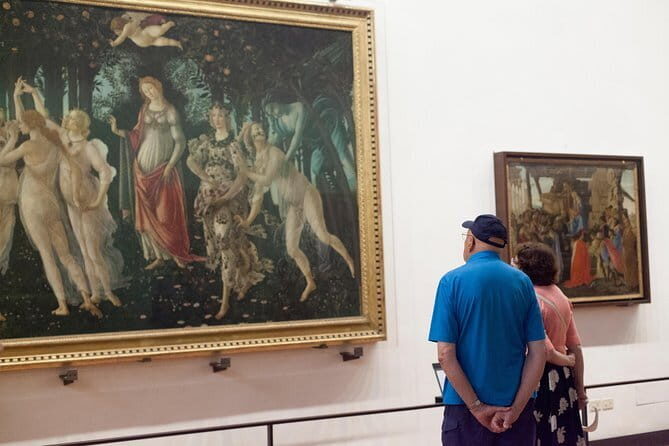
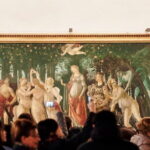
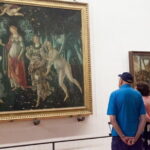
- Botticelli for the famous Venus-themed paintings that shaped what people think of as Florentine beauty.
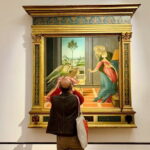
- Leonardo da Vinci, especially the Annunciation, which is the kind of painting that rewards stopping, not strolling.
- Michelangelo, including the only panel painting in the world attributed to him as presented in the Uffizi’s collection (based on the info you’ll be using to plan).
- Raphael and Caravaggio if you want contrast: classical harmony on one side, intensity on the other.
This mix is a huge part of the Uffizi’s value. You’re not committing to one school. You’re watching different ways of making meaning compete and coexist across rooms.
A few more Florence tours and experiences worth a look




Artemisia Gentileschi’s Judith and Holofernes: Why It Stops People Cold
If you want one reason people rave about the Uffizi experience, it’s often because of the emotional punch of specific works—and Artemisia Gentileschi’s Judith and Holofernes is exactly that kind of stopping point.
This is the painting that changes your tempo. You can feel how the subject is handled—how the drama is staged, how the moment is framed, and how the figure work carries the story. Even if you’re not a “serious art scholar,” this one tends to make people pause because it’s direct, intense, and hard to forget.
So if you’re planning your day smart, treat this as a centerpiece. Don’t leave it for the end when you’re tired and rushing. Put it somewhere in the middle of your plan so you still have enough energy to truly look.
How Long You’ll Need: 1 Day Is Enough If You Plan Like It’s Not
The museum is large enough that even motivated visitors often don’t see everything. One review experience matched what I’d expect in practice: you can spend about four hours and still only cover part of the displays.
So I’d call the “right” strategy this: treat your time as a series of focused missions. Pick:
- one room/section for your earliest timeline interests (Middle Ages to Renaissance transition),
- one section for the Medici collection context and sculpture-lined areas,
- one or two zones where your top artists live.
Then build a buffer. You’ll need it for crowd flow, for reading the labels you actually care about, and for moments when you get pulled into a painting you didn’t plan for.
Also remember the note about re-entry risk. Plan your visit as one continuous museum block. If you think you can step out and come back later, you may be disappointed. Give yourself a full run inside the galleries, not a quick in-and-out.
On-Site Cafe and Break Time: Don’t Skip the Reset
You won’t see art effectively if you’re hungry and frazzled. The good news: there’s a cafe on site, so you can take a break without having to re-plan your day across Florence streets.
In practice, break time helps you see better. After a pause, paintings stop looking like “more paintings” and start looking like individual choices. It’s also when you can decide whether you want to push for your remaining priorities or call it done.
If your schedule includes an evening plan, this cafe option makes it easier to pull off a full museum morning without eating too much time traveling.
Ticket Value vs a Guided Tour: When This Works Best
Since a guided tour is not included, you’re buying independence. That can be a bargain compared with paying for interpretation across every room.
This setup is especially worth it if:
- you like moving at your own pace,
- you’re comfortable reading at your speed,
- you want control over what you see and what you skip,
- you have a tight schedule and want a guaranteed entry time.
A guided tour can be better if you want someone to connect every room into one narrative and keep you from getting lost. But if you’re already the type who enjoys choosing your own path and spending time with the specific artists you came for, this is a strong fit.
The bottom line on value is this: you’re paying to get in on time and avoid the entry stress, then spending your money on your own attention once inside.
Booking Smart: The Real Reason Ahead-Planning Matters
This ticket type is commonly booked well in advance—on average about 77 days. That isn’t trivia. It affects your entire Florence plan. If you wait, you may end up with a time slot that’s bad for your day rhythm, or you may risk losing the day altogether to sold-out availability.
So my advice: book as soon as your Florence dates are set and then build your day around that time. It’s easier to adjust your dinner plan than it is to resurrect an unavailable museum slot.
Should You Book This Uffizi Experience?
Yes, I think you should book this ticket option if your priority is reliable entry at a chosen time and you’re okay experiencing the museum independently. At $57.93 per person for a reserved Uffizi entry and reservation, the cost makes sense when you consider what you’re buying: guaranteed admission handling for one of Florence’s hardest-to-time museums.
Skip it (or consider a different format) if you want a full guided explanation for every stop or if you’re the kind of visitor who needs someone to manage pacing and room order for you.
If you do book, go in with a short list of “I must see” works, start in the morning when possible, and plan for a real museum chunk of time—not a quick photo stop.
FAQ
What does the ticket include?
Your purchase includes the Uffizi Gallery ticket and reservation. A guided tour, food, and transport are not included.
How long is the Uffizi Gallery visit?
The experience duration is listed as about 1 day.
Where do I redeem my ticket?
The ticket redemption point is the Statue of Leonardo da Vinci at Piazzale degli Uffizi, 209, 50122 Firenze FI, Italy.
Is this a guided tour?
No. The package includes admission and reservation, but not a guided tour of the Uffizi.
Are pets or large luggage allowed?
Pets and large luggage are not allowed.
Can I cancel for a refund?
Yes. You can cancel for free up to 24 hours in advance for a full refund.