REVIEW · FLORENCE
Private Tour: Masterpieces of the Uffizi Gallery
Book on Viator →Operated by Irina Willmer · Bookable on Viator
Florence’s art hits fast. This private Uffizi tour is a focused 3 hours where you don’t just see masterpieces—you understand what you’re looking at. I especially love the personal pacing of a private guide and the chance to connect the art to artists’ lives and Florence itself.
The second thing I like: you get the big-name works in context, from Botticelli to Leonardo, Michelangelo, Raphael, and Caravaggio, without wandering room-to-room hoping you guessed right. One consideration: Uffizi tickets aren’t included, and you’ll need to book your museum entry time on the Firenze Musei site.
In This Review
- Key things to know before you go
- Private Uffizi Tour Value: What You Actually Get
- Getting There Smoothly: Pickup, Meeting Points, and Real Timing
- Tickets and Timing: What’s Included vs What You Must Book
- Entering the Uffizi: Vasari’s Building as Part of the Show
- The 3-Hour Route: How the Tour Likely Flows Inside
- Botticelli, Leonardo, Michelangelo, Raphael: The “Must-See” With Meaning
- Botticelli through the lens of Florence
- Leonardo’s technique and why it matters
- Michelangelo and terza maniera
- Raphael’s short life adds sharp emotion
- Caravaggio, Titian, and the Non-Italian Surprise
- When Your Guide Turns Art into a Story (Elisa and Irina)
- Duration and Pacing: Is 3 Hours Enough?
- Practical Tips So You Don’t Lose Time
- Who This Private Tour Best Fits
- Should You Book This Uffizi Private Tour?
- FAQ
- How long is the private Uffizi tour?
- Does the price include Uffizi museum tickets?
- Where do we meet the guide?
- Is hotel pickup available?
- What language is the tour in?
- How many people are in a group?
- Are large bags allowed?
- What are the Uffizi opening hours for the listed period?
Key things to know before you go
- Private, 3-hour format that’s long enough for real stories, short enough to stay fresh
- Hotel pickup option plus a clear meeting plan (Uffizi entrance or central hotel)
- Guided access to major artists like Botticelli, Leonardo (sfumato), Michelangelo (terza maniera), and Raphael
- Building context first: the Uffizi is part of the experience, not just the container
- Avoid large bags so you don’t waste time fussing with luggage
- Small group cap (the offer lists limits that can vary), so you still feel “private” in practice
Private Uffizi Tour Value: What You Actually Get
The Uffizi can be overwhelming fast. This is the opposite of a hurried ticket scan. You show up for a planned route and a guide who steers your attention to the works that matter most—and explains why they mattered then.
I like that the tour is built around Renaissance painting and sculpture, but it also covers the wider sweep beyond the usual headlines. You’ll see works spanning the 12th century through Early and High Renaissance, Mannerism, and Baroque, plus notable Dutch, French, and Flemish paintings and ancient sculpture.
The “private” part isn’t marketing fluff here. With a group limited to your booking, the guide can adjust emphasis for what you care about—style, stories, technique, or patrons and politics. One of the best signs is how consistently the guides in this program are described as energetic and able to keep the flow moving without turning it into a lecture marathon.
Other private Uffizi tours in Florence


Getting There Smoothly: Pickup, Meeting Points, and Real Timing
You have two main ways to start: meet at the Piazzale degli Uffizi area at the museum, or use the hotel pickup option if you’re in central Florence. Pickup is offered, but the timing can shift depending on your hotel distance—plan for a 10 to 40 minute pickup window, then confirm the pickup time with the provider.
This matters more than it sounds. The Uffizi experience is time-sensitive because timed entry affects your ability to get inside and start. A smooth arrival helps you avoid the classic Florence problem: finding your bearings while everyone else is already collecting tickets and heading in.
If you’re staying near the center, pickup is often the easiest route. If your hotel is farther out, meeting at the museum can save time and keep your schedule tighter.
Tickets and Timing: What’s Included vs What You Must Book
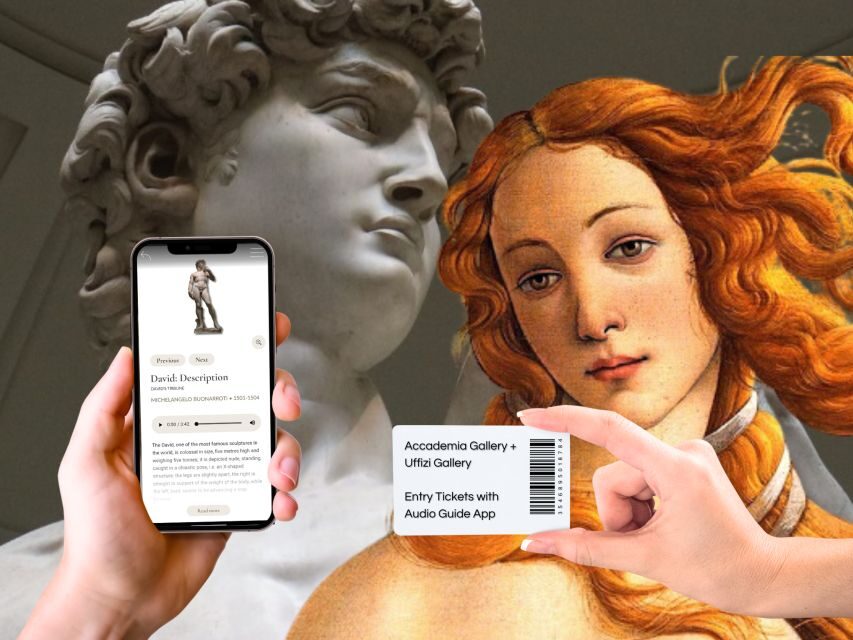
Here’s the practical bit: admission tickets and the reservation cost are not included. Also, the guide can’t book the museum tickets on your behalf; you’re expected to book your entry on the Firenze Musei site and then share your reservation time.
This sounds like extra work, but it also gives you control. You choose a time slot based on what’s available, and the tour then lines up with your reserved entry. The tour duration is about 3 hours, and the Uffizi’s listed opening schedule (Tuesday through Sunday) includes morning and early afternoon slots.
Plan with the reality that Uffizi touring is easiest when you don’t show up carrying a lot. The tour guidance also says avoid large bags, which is smart advice for any museum day in Florence.
Entering the Uffizi: Vasari’s Building as Part of the Show
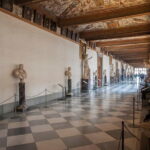
You don’t start with art only. You start with the building. The Uffizi complex was commissioned for the Grand Duke and designed by Giorgio Vasari, and it’s one of the older major museums in Europe. Even if you only care about paintings, the setting adds context for how collecting and display worked in Medici Florence.
The space also reflects Mannerism. The building and the surrounding Piazza are treated as meaningful examples of that style, not just background architecture. That’s a small detail—but it changes how you experience the museum, because you start noticing how art and power used the same visual language.
Another nice thing to know: the museum continues to grow and adapt. Works that have been in deposits can move into permanent spaces, so your visit isn’t just to an old frozen catalog. It’s part of a living museum system.
The 3-Hour Route: How the Tour Likely Flows Inside
This tour is essentially a guided Uffizi museum experience with one main stop: the Gallerie degli Uffizi. In a 3-hour private format, the guide’s job is to hit the works you’ll actually talk about later without getting stuck in slow traffic.
The offer is designed around a curated path through the collection’s major periods: Italian painting and sculpture from the 12th century, then the big Renaissance arc (Early and High Renaissance), followed by Mannerist and Baroque. You’ll also get attention to ancient sculpture, which helps the museum feel less like a single timeline and more like a dialogue across eras.
A good guide doesn’t just point. They explain. The tour description emphasizes stories behind the art and the lives and legends of the artists, with technique-level insights and historical connections that make the gallery feel coherent rather than random.
Other Renaissance art tours at the Uffizi in Florence

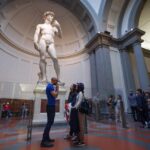

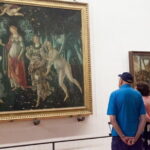

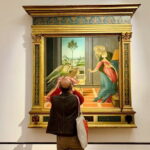
Botticelli, Leonardo, Michelangelo, Raphael: The “Must-See” With Meaning
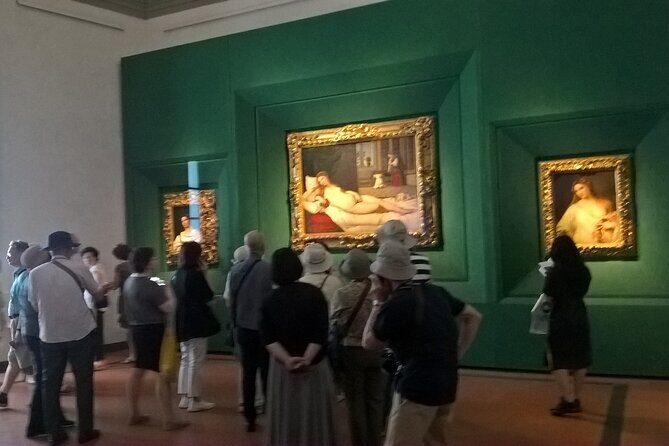
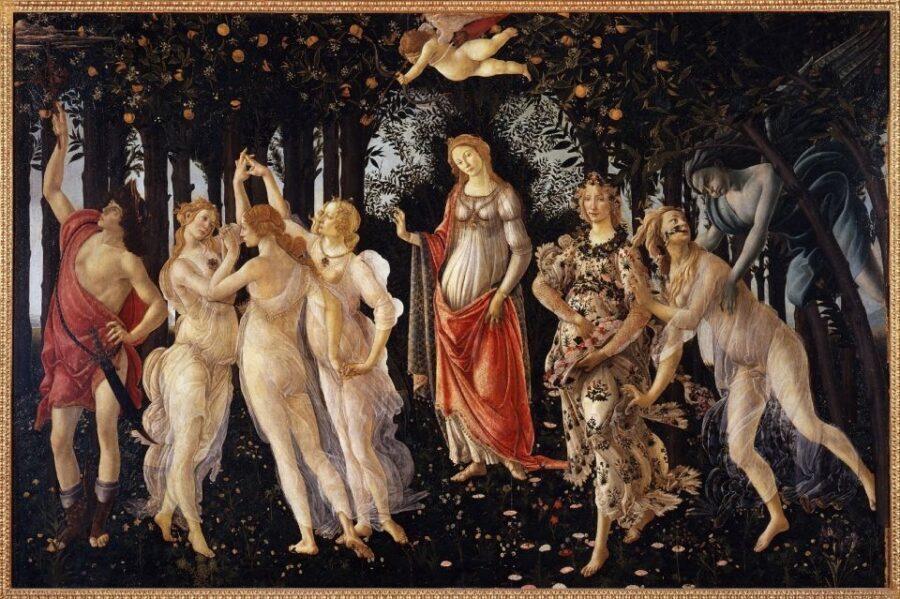
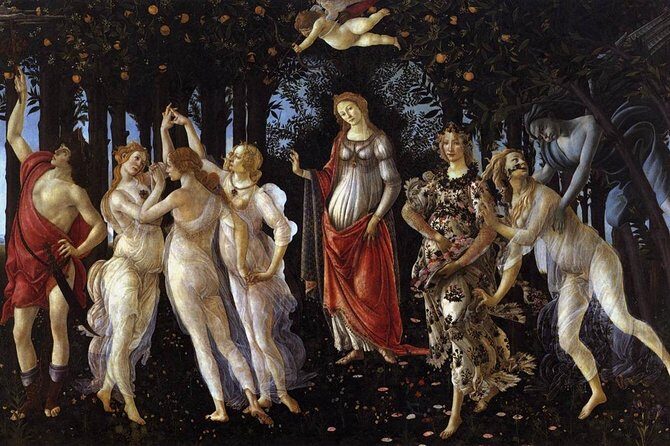
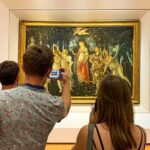
If your plan is to see the major names, this tour targets them directly. It specifically calls out iconic works such as Botticelli’s Birth of Venus and La Primavera, Leonardo’s Annunciation, and Michelangelo’s Doni Tondo. These are the big drawcards, but the value is what comes with them.
Botticelli through the lens of Florence
Botticelli isn’t just famous; he’s a key gateway into Florentine taste and myth in painting. In a guided setting, you don’t have to guess what to notice first. You’ll likely get help tying the work to the cultural moment it represents—especially useful when you see these paintings amid so many other masterpieces.
Leonardo’s technique and why it matters
The tour highlights Leonardo’s invention of sfumato. That’s not trivia for trivia’s sake. When you understand what sfumato is trying to do—soft transitions, subtle atmosphere—you start seeing the painting as a technical achievement, not just an image.
Michelangelo and terza maniera
Michelangelo’s terza maniera is mentioned as part of what the guide will explain. If that term sounds unfamiliar, that’s exactly why this format helps. You’ll get a story around the evolution of his style, which keeps Michelangelo from becoming only a “wow, it’s famous” stop.
Raphael’s short life adds sharp emotion
Raphael’s tragic early death comes up as a story you’ll hear during the tour. That kind of context can change how you respond to a work, especially when so many other masterpieces sit in long chronological rows. In a museum, emotion often follows understanding.
Caravaggio, Titian, and the Non-Italian Surprise
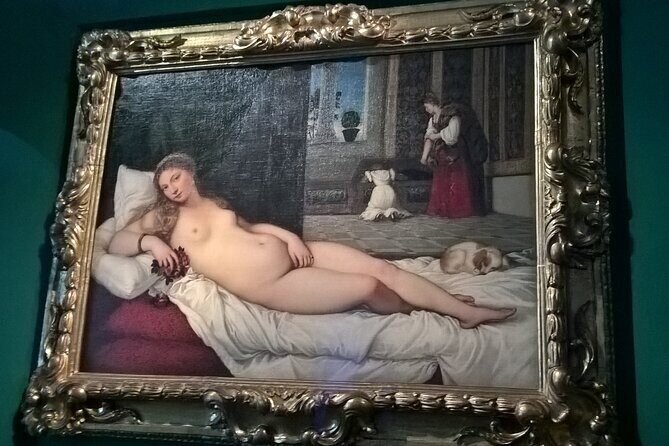
The Uffizi is often treated as a purely Italian museum, so I like that the tour description doesn’t limit itself to that. You’ll also encounter works by Caravaggio and Titian, plus an important collection of Dutch, French, and Flemish paintings.
Even if you only know one or two non-Italian artists, the guide’s connections can help you see how styles traveled and changed. It’s also a good reminder that Renaissance art didn’t develop in a vacuum. Florence was connected—through patrons, collectors, and the politics of taste.
This is where private touring earns its keep. In a big group, you might rush through these rooms to get to the next “headline.” In a private 3-hour format, the guide can slow down where your attention naturally wants to land.
When Your Guide Turns Art into a Story (Elisa and Irina)
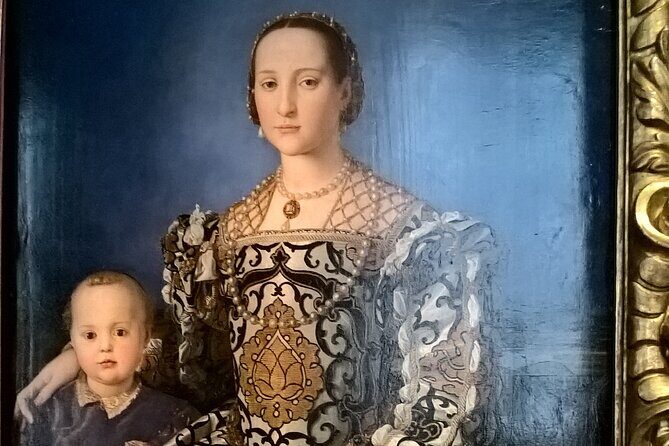
Two guide names show up in the feedback for this kind of tour experience: Elisa and Irina. Both are described as energetic and deeply engaged, and that energy matters in a museum like the Uffizi.
What I’d call the real skill is how the guide keeps the story connected across different rooms. One described approach focuses on connecting artists to patrons, and the gallery’s place in Florentine history. That means the museum doesn’t feel like a collection of separate paintings. It feels like one big system.
Another strong point from the feedback: the tour can stay engaging even toward the end of the museum route. That’s hard to do, because the Uffizi can drain you after a while. But a good guide brings momentum, so the final rooms still feel like part of the same conversation.
Duration and Pacing: Is 3 Hours Enough?

For the Uffizi, 3 hours is a smart length. It’s long enough to see the biggest works listed for this tour and still talk through themes like technique and artistic development. It’s short enough that you’re not collapsing from museum exhaustion.
The only catch is expectations. The Uffizi is huge, and no 3-hour private visit will cover everything. This tour isn’t trying to “see the whole gallery.” It’s built to help you leave with meaning—especially if you’re the kind of person who wants to understand what you saw instead of ticking boxes.
Practical Tips So You Don’t Lose Time
A few details can make your day smoother.
First, avoid carrying large bags. Museum logistics can take time, and the tour guidance explicitly advises avoiding them. Light bags and simple essentials keep you moving.
Second, plan your meeting point decision early. If hotel pickup is offered and you want the easiest start, confirm the pickup time based on your hotel distance. If you prefer to arrive under your own steam, meet at the Piazzale degli Uffizi start point.
Third, don’t wait until the last minute to book your museum entry. The tour depends on you having the reservation time ready, and the provider notes that confirmation timing can vary depending on how close you book to travel dates.
Who This Private Tour Best Fits
This works well if you:
- Want a private guide and a route focused on major works
- Like art history that explains technique and context (sfumato, terza maniera, and so on)
- Prefer a planned visit instead of wandering in a crowded museum trying to figure out what to prioritize
- Are traveling with a group where everyone wants the same shared highlights but at their own pace
It may not be the best fit if you:
- Want maximum coverage of the entire Uffizi collection (you’ll need a longer visit)
- Prefer to read on your own with no guide interaction
- Are unwilling to handle museum ticket booking yourself on Firenze Musei
Price is listed as per group, up to a maximum group size noted in the offer details. That’s often a good value compared to paying for multiple independent tickets with separate guide time. Still, your best value comes when you actually use the guide’s knowledge—ask questions, and let them point out what you might miss.
Should You Book This Uffizi Private Tour?
If you want Florence’s most famous museum experience, but you don’t want it to feel like a blur, I think this is a strong choice. The biggest reason is simple: a guided approach turns famous paintings into something you can describe after the fact—technique, story, and why the museum was built this way.
Book it if you’re willing to do the one extra step of reserving your Uffizi entry time on Firenze Musei, and you want a guided route built for a 3-hour visit. Skip it if your goal is total coverage or if you’d rather handle everything yourself with a map and a lot of patience.
FAQ
How long is the private Uffizi tour?
The tour is about 3 hours.
Does the price include Uffizi museum tickets?
No. Uffizi Gallery museum tickets and reservation cost are not included.
Where do we meet the guide?
You can meet either at the Uffizi entrance area (Piazzale degli Uffizi) or at your centrally-located hotel lobby.
Is hotel pickup available?
Pickup is offered. Pickup time can vary based on how far your hotel is from the museum, typically from 10 to 40 minutes, and you should agree a pickup time.
What language is the tour in?
The tour is offered in English, though the provider notes it may be operated by a multi-lingual guide.
How many people are in a group?
It’s a private tour, with a maximum group size stated in the offer details (up to 10 per booking, and also noted as up to 6 in another section). Check your booking details for the confirmed cap for your date.
Are large bags allowed?
The guidance says to avoid large bags.
What are the Uffizi opening hours for the listed period?
The listed opening hours are Tuesday to Sunday: 9:00 AM–12:00 PM and 2:00 PM–3:30 PM.