REVIEW · FLORENCE
Florence: City Pass with Uffizi, David, Cathedral, and More
Book on GetYourGuide →Operated by SLOW TOUR TUSCANY · Bookable on GetYourGuide
Florence can feel like a lot at once. This city pass is built to stack the biggest sights—Uffizi, Michelangelo’s David, and the Duomo area—without wasting your day in ticket lines. What makes it especially appealing is that it pairs reserved museum entry with phone audio for self-paced parts and a guided stop for the Duomo terraces.
I really like the time-saving design. You get skip-the-line entry for Santa Maria del Fiore (Cathedral) via a separate entrance, and you arrive with set time reservations for the Uffizi and Accademia slots.
One thing to consider: this pass is not meant for everyone. It involves walking and includes a Duomo terrace visit with restrictions around vertigo and mobility needs, and it does not include cupola climbing or bell-tower climbing.
In This Review
- Key highlights at a glance
- The 5-day Florence city pass: what it really buys you
- Picking up your tickets near Bar Bistrot 34R (and why it matters)
- Uffizi Gallery: reserved entry plus phone audio for pacing
- Accademia Gallery and Michelangelo’s David: plan your expectations
- Cathedral Santa Maria del Fiore: separate entrance and Duomo terraces
- Baptistery and Opera del Duomo Museum: smart add-ons within 3 days
- Pitti Palace, Palatine Gallery, and the Medici-era route (open 5 days)
- Boboli and Bardini gardens: choose the light, not just the checklist
- Price and value: is $282.08 a smart buy?
- Who this pass is best for (and who should look elsewhere)
- Should you book this Florence city pass?
- FAQ
- How long is the Florence city pass valid?
- Where do I exchange my voucher?
- Do I need time reservations for Uffizi and Accademia?
- Is the Cathedral Santa Maria del Fiore skip-the-line?
- Do I get guided help for the Duomo terraces?
- What attractions are included besides Uffizi, David, and the Cathedral?
- Is the audio guide included, and what languages are available?
- Are cupola climbing or bell tower climbing included?
- Who is this experience not suitable for?
Key highlights at a glance
- Skip-the-line Cathedral entry via a separate entrance, plus a Duomo terraces visit with an official guide (English only)
- Reserved entry for Uffizi and Accademia, so you can plan your day instead of waiting in queues
- 5-day flexibility for Pitti Palace and multiple museum stops around it
- Boboli and Bardini gardens included within the 5-day window, letting you choose the right time of day
- Phone audio guide for Uffizi + Accademia and Florence city center, in many languages
The 5-day Florence city pass: what it really buys you
This is a practical way to experience Florence’s top art and landmarks on one schedule, with the important benefit of letting you breathe. The pass is valid for 5 days, and it’s designed around the big trio—Uffizi, Accademia (David), and the Cathedral/terraces—plus a whole bundle of museum and garden options that you can slot in anytime during that window.
At $282.08 per person, you’re not just paying for tickets. You’re paying for less friction: time reservations for two major museums, and skip-the-line entry for the Cathedral, which is usually where the day can unravel. The current rating is 4.3/5 from 127 reviews, which hints that the planning and timing are working for most people.
This pass also comes with an app-based audio guide for self-guided parts. That matters because Florence can overwhelm you with scale, street noise, and art overload. With audio you can slow down when you want and still keep moving when you don’t.
Other Uffizi + Duomo tours in Florence
Picking up your tickets near Bar Bistrot 34R (and why it matters)
Before you see art, you’ll do a quick stop to exchange your voucher at the agency. You’re looking for SlowTourTuscany next to Bar Bistrot 34R.
Why I think this step matters: getting your materials and getting the audio guide set up early reduces stress later. You’ll want your smartphone charged and ready for headphones. The pass also asks you to bring comfortable shoes, because Florence’s old streets don’t do soft landings.
You’ll also get help from the agency staff to download the digital audio guide you’ll use throughout the visits. If you’ve ever arrived at the Uffizi with a half-dead battery and no plan, you’ll appreciate how much smoother this feels.
Uffizi Gallery: reserved entry plus phone audio for pacing
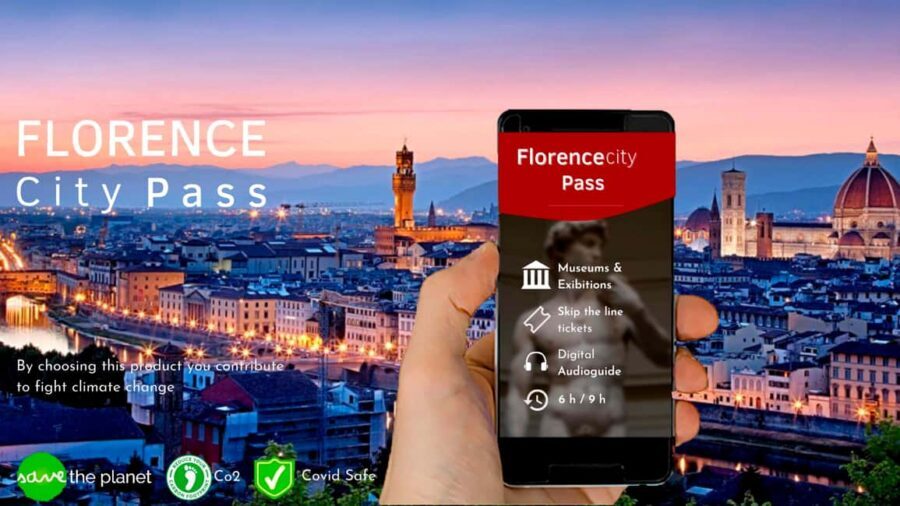
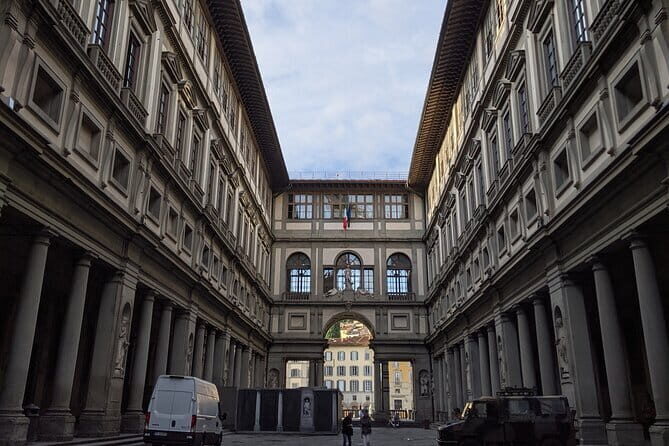
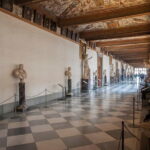
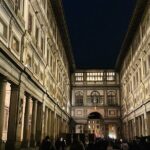
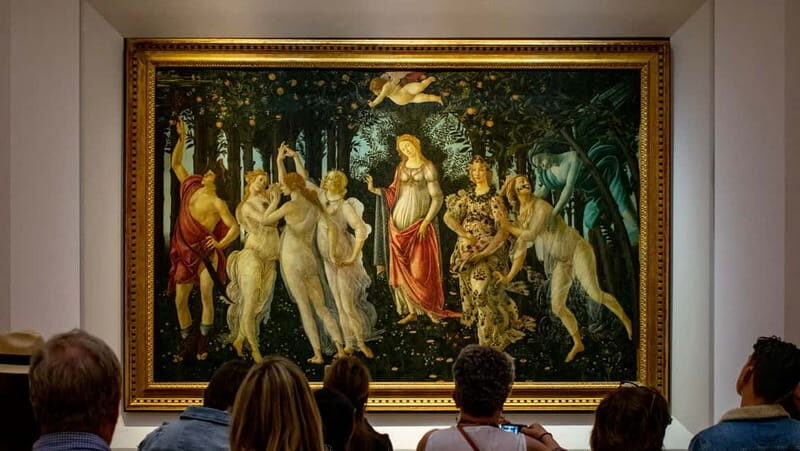
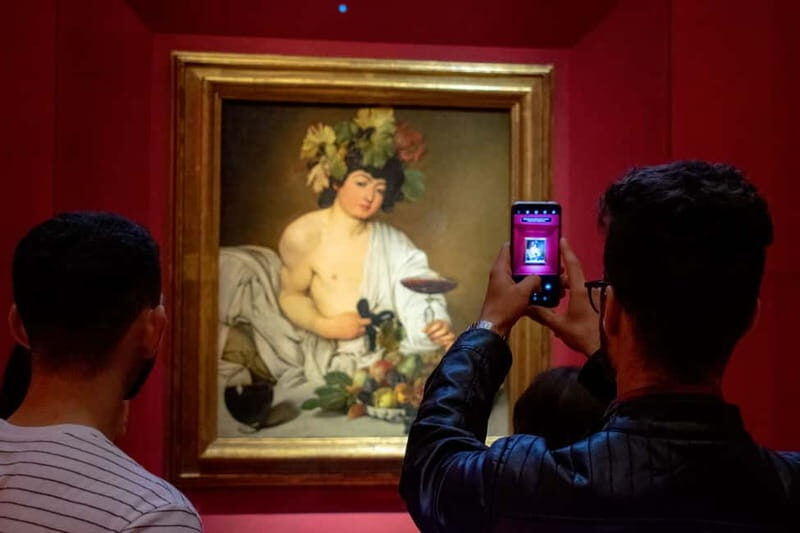
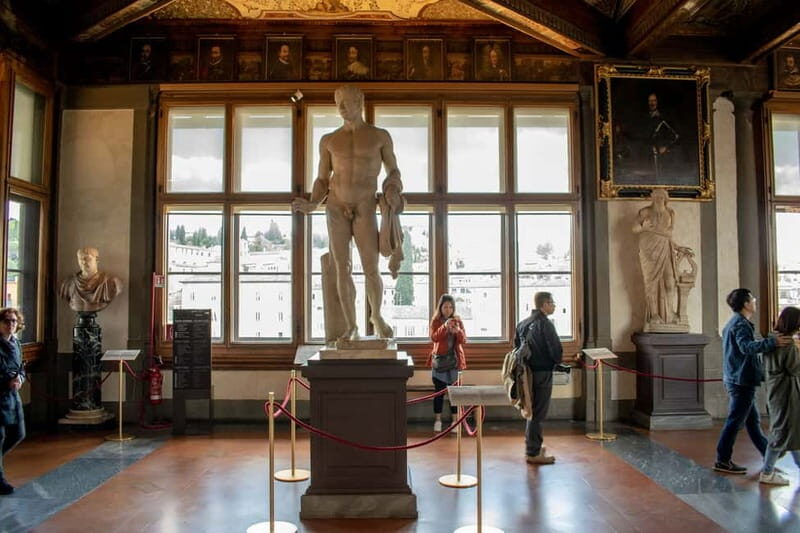
The Uffizi Gallery is one of those places where a ticket alone isn’t the full value. This pass includes an entry ticket with time reservation for the Uffizi, which is the big win. Instead of waiting around while your day evaporates, you’re aligned to a set entry time.
Then you use the app audio during your visit. The audio guide covers Uffizi + Accademia and also includes a Florence city-center guide, in English, French, Spanish, German, Italian, and Chinese (plus it also lists additional language options through the app). In real terms, that means you can focus on the rooms without constantly rereading placards, and you can choose the pace that matches your energy.
What to watch for during your Uffizi time: even with the “big masterpieces” draw, Uffizi is also about composition, lighting, and how rooms relate to each other. Audio helps because it can connect themes and artist context without you needing to stand still for long.
Possible drawback: because you have a reserved slot, you’ll want to arrive on time. This pass is flexible over five days, but the Uffizi itself is still a timed entry experience.
Accademia Gallery and Michelangelo’s David: plan your expectations
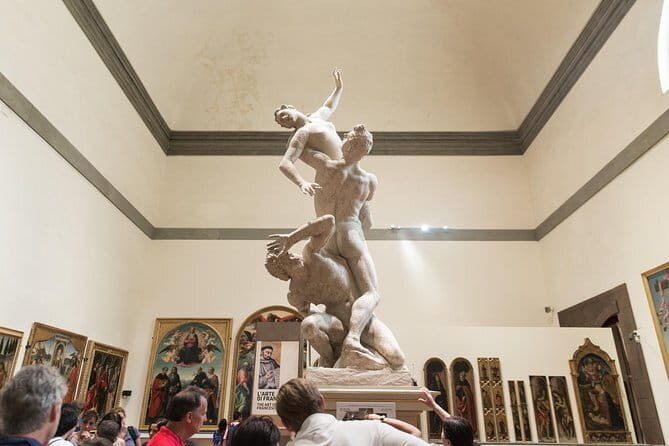
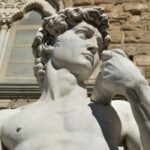
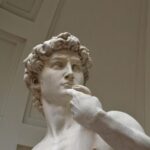
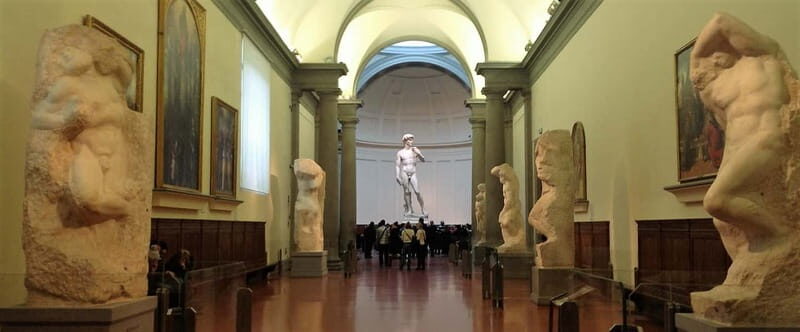
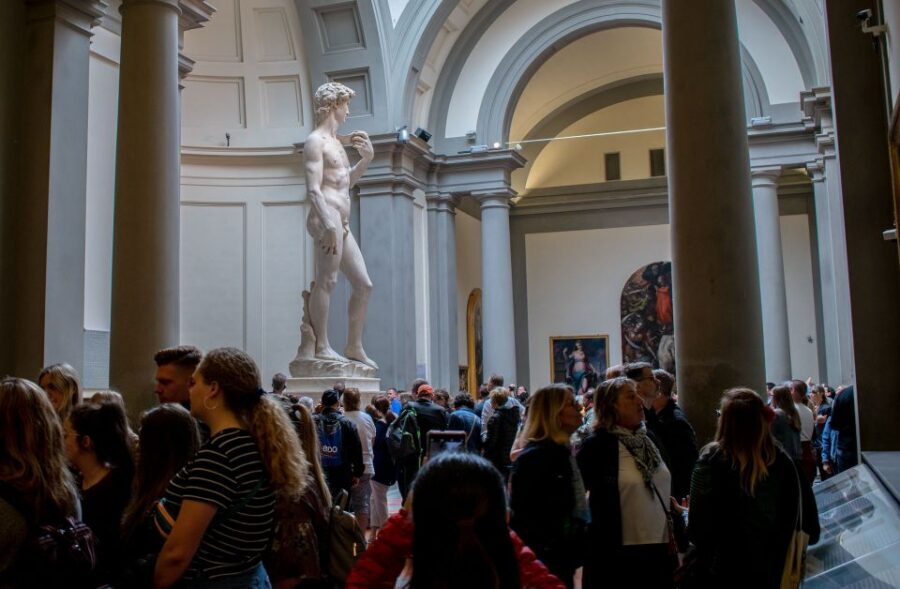
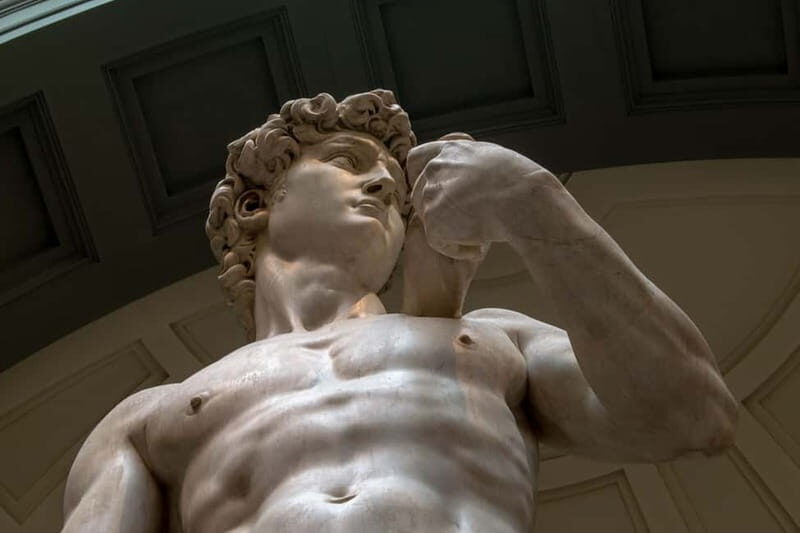
The Accademia stop is the other cornerstone, with an entry ticket with time reservation to see Michelangelo’s David. This is one of those works that can feel even more intense than you expect—partly because it’s so famous, and partly because the room scale makes the statue feel even larger.
Like the Uffizi, the audio guide accompanies you, and you can move through at your own pace. The best approach here is to keep the visit active: look, step back, look again, and then read the story behind what you’re seeing. If you try to do everything at full intensity for the whole visit, you can hit museum fatigue fast in Florence.
Practical tip for timing: since you’re also going to the Duomo area later, it’s smart to avoid making your museum days too packed back-to-back. The city is walkable, but it’s not effort-free.
Cathedral Santa Maria del Fiore: separate entrance and Duomo terraces
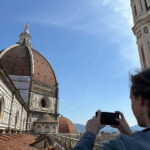
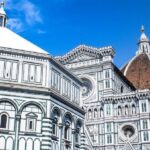
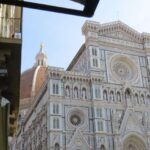
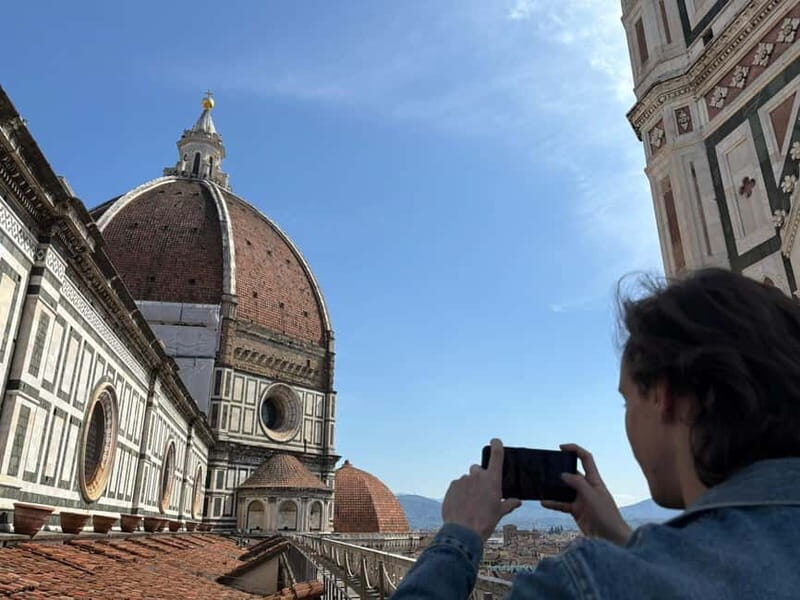
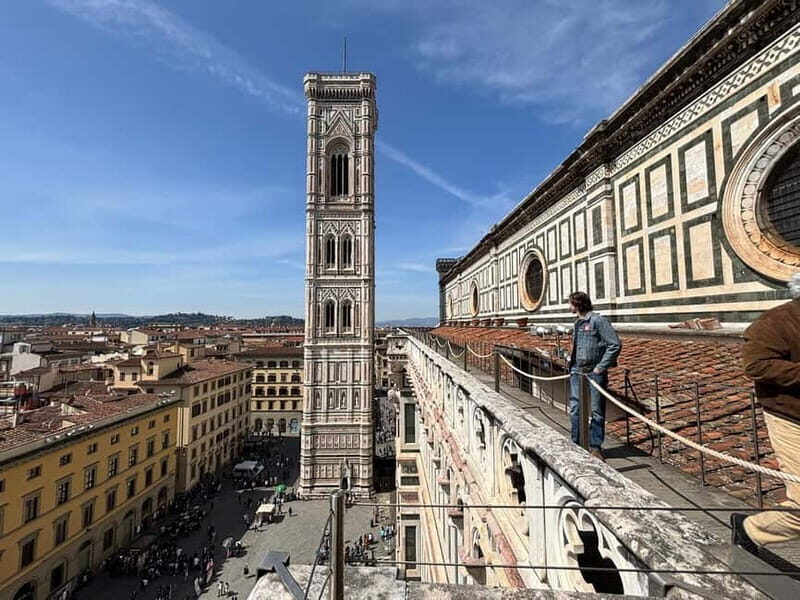
If you only remember one part of this pass, make it this: it includes skip-the-line Cathedral entry using a separate entrance, plus a private VIP visit of the Duomo Terraces with an official tour guide. That terrace time is guided by an English-only guide.
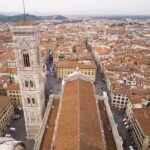
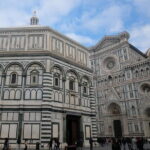
This combination is valuable because Florence’s Duomo experience is special but also complicated. The Cathedral itself can be crowded. Then you add the terrace element, which is where the city views and architecture details really make sense.
The pass specifically highlights that you can access the Cathedral from a separate entrance and walk on the Duomo terraces. That changes your day. You’re not stuck in the generic line that everybody else fights. You can conserve energy and spend it where it counts.
What’s not included: cupola climbing and bell tower climbing. So if your dream Duomo day is climbing every possible vertical structure, you’ll need a different add-on or a separate plan.
Important note for comfort: the experience includes a terrace component. If you have concerns with vertigo or claustrophobia, this may not be a fit. The activity is not suitable for people with vertigo, heart problems, or claustrophobia, among other restrictions.
Other Florence city & art passes including the Uffizi


Baptistery and Opera del Duomo Museum: smart add-ons within 3 days
The pass includes two key Duomo-adjacent sites, both with open ticket access for 3 days:
- Baptistery
- Opera del Duomo Museum
These are worth thinking about as “the explanation layer.” The Baptistery ties into Florence’s religious history and the broader Duomo complex. Opera del Duomo is useful if you want more context for the Cathedral’s art and details without only relying on what you can see from inside the church.
How to use them: I like the idea of treating these as flexible buffers. If your Uffizi slot goes longer, you can push these sites later. If you finish museums early, you can use them to fill time without scrambling for tickets.
Pitti Palace, Palatine Gallery, and the Medici-era route (open 5 days)
Now for the part that makes the pass feel like more than a one-day hit: the Pitti Palace complex and related museums come with open time tickets valid for 5 days.
Included:
- Pitti Palace (open ticket 5 days)
- Palatine Gallery (open ticket 5 days)
- Gran Duke treasure museum (open ticket 5 days)
- Modern art gallery (open ticket 5 days)
- Fashion Museum (open ticket 5 days)
Here’s what that means in your day-to-day planning: you can build a slower, more customizable itinerary. You don’t have to race through everything in one intense afternoon. You can also pick what matches your mood. One day you might focus on palace rooms and collections; another day might be more about galleries and the variety of museum themes.
A practical way to approach Pitti with this pass: don’t try to see every included museum in one sitting unless you’re used to marathon museum days. Even if your ticket allows it, your attention span is still limited. Choose the main theme for the day, then let the rest become bonus.
Boboli and Bardini gardens: choose the light, not just the checklist
Gardens are often an afterthought in big museum plans, but this pass includes both:
- Boboli Garden (open ticket 5 days)
- Bardini Garden (open ticket 5 days)
Including both matters because they let you create a “breather” from indoor art. Gardens are also great when you want better views over the city without turning it into a formal sightseeing tour.
How to get value from them: think about the time of day. Morning is quieter; late afternoon can be easier on your feet and mood. Since the pass gives you flexibility across five days, you can wait for the moment that works.
If you’re planning Duomo terraces plus gardens plus museums, wear the most forgiving shoes you own. Florence rewards you for being comfortable.
Price and value: is $282.08 a smart buy?
Let’s talk money the useful way. You’re paying for:
- reserved entry to Uffizi and Accademia
- skip-the-line Cathedral entry
- a guided Duomo terraces component (English only)
- open-time tickets covering multiple Pitti-side museums and key Duomo complex stops
- included app audio for major museum areas and city center guidance
The key value driver here is time. Uffizi and Accademia are big, popular sites. When you add the Duomo area, the day can become long fast if you’re ticket-hunting. This pass reduces that stress with reserved access and separate entrance handling for the Cathedral.
Where the price may feel less attractive: if you only want the absolute minimum (just Uffizi, David, and a quick Duomo glance) and you won’t use the extra museum and garden access. But if you actually want to experience more of Florence with less scheduling chaos, the multi-day open tickets make the cost easier to justify.
Who this pass is best for (and who should look elsewhere)
This pass is designed for people who want the main highlights with one system rather than piecing together multiple tickets. It also suits anyone who likes self-guided museum time with a phone audio guide, plus one guided “anchor” moment at the Duomo terraces.
It’s not suitable for:
- children under 8
- wheelchair users and people with mobility impairments
- people with claustrophobia, vertigo, or altitude sickness
- people with heart problems
So if you fall into any of those groups, you’ll want to consider a different format with fewer physical constraints.
Also consider this if you dislike walking. The itinerary mixes museums, historic interiors, and terraces. Even with good planning, you’ll be on your feet.
Should you book this Florence city pass?
I’d book this pass if you want a confident, time-efficient Florence plan that hits the big three—Uffizi, Accademia/David, and the Duomo area—and then gives you enough flexibility to add gardens and palace museums across five days.
I’d hesitate if your priority is climbing experiences like cupola or bell tower routes, because those are not included. I’d also skip it if you have mobility or comfort concerns tied to terraces.
If your goal is a well-paced highlights tour with less line drama and a phone guide doing the story work for you, this one fits the bill.
FAQ
How long is the Florence city pass valid?
It’s valid for 5 days. You can use the open-time tickets within that window, and Uffizi and Accademia are tied to reserved entry times.
Where do I exchange my voucher?
You must exchange your voucher at the agency SlowTourTuscany next to Bar Bistrot 34R.
Do I need time reservations for Uffizi and Accademia?
Yes. The pass includes entry tickets with time reservation for the Uffizi Gallery and the Accademia Gallery to see Michelangelo’s David.
Is the Cathedral Santa Maria del Fiore skip-the-line?
Yes. You get skip-the-line entry to the Cathedral of Santa Maria del Fiore via a separate entrance.
Do I get guided help for the Duomo terraces?
Yes. The pass includes an exclusive private VIP visit of the Duomo Terraces with an official tour guide in English only.
What attractions are included besides Uffizi, David, and the Cathedral?
The pass includes multiple additional tickets, including Baptistery and Opera del Duomo Museum (open 3 days), plus Pitti Palace and several related museums (open 5 days), and Boboli and Bardini Gardens (open 5 days).
Is the audio guide included, and what languages are available?
Yes, an audio guide is included for Uffizi + Accademia + Florence city centre. It’s listed in English, French, Spanish, Italian, German, and Chinese.
Are cupola climbing or bell tower climbing included?
No. Cupola climbing and bell tower climbing are not included.
Who is this experience not suitable for?
The pass is not suitable for children under 8, people with mobility impairments (including wheelchair users), and people with claustrophobia, vertigo, heart problems, or altitude sickness.