REVIEW · FLORENCE
Florence: Uffizi Gallery Private Treasure Hunt for Families
Book on GetYourGuide →Operated by Florence Tours by Made of Tuscany · Bookable on GetYourGuide
Art games at the Uffizi make kids smile. This private family treasure hunt turns the Uffizi Gallery into a living, question-driven route, with your group moving from Florence’s public squares into the Renaissance masterpieces inside. I love how the guide keeps everyone busy, not just watching from the sidelines, and the setting is classic: one of Europe’s oldest museum experiences.
What I especially like is the hands-on clue style—searching for specific details tied to big names like Michelangelo, Botticelli, and Caravaggio—so even younger kids can “find something” and feel smart. One thing to consider is that the experience runs about 3 hours, so very small children may need short breaks during peak-energy moments (and the Uffizi can be busy on many days).
In This Review
- Key things to know before you go
- Why this Uffizi treasure hunt works for families
- Meeting at the Neptune Fountain and planning your 3-hour route
- Piazza della Signoria: Florence’s open-air art lesson
- Loggia dei Lanzi: where the hunt becomes visual
- Inside the Uffizi: clues tied to Michelangelo, Botticelli, and Caravaggio
- The “search for hidden sculptures” moment
- Medici commissions up close
- Caravaggio’s Medusa and the power of a close look
- Animals, flowers, chairs: spotting the ordinary with a new lens
- Botticelli’s Annunciation and the single pillow detail
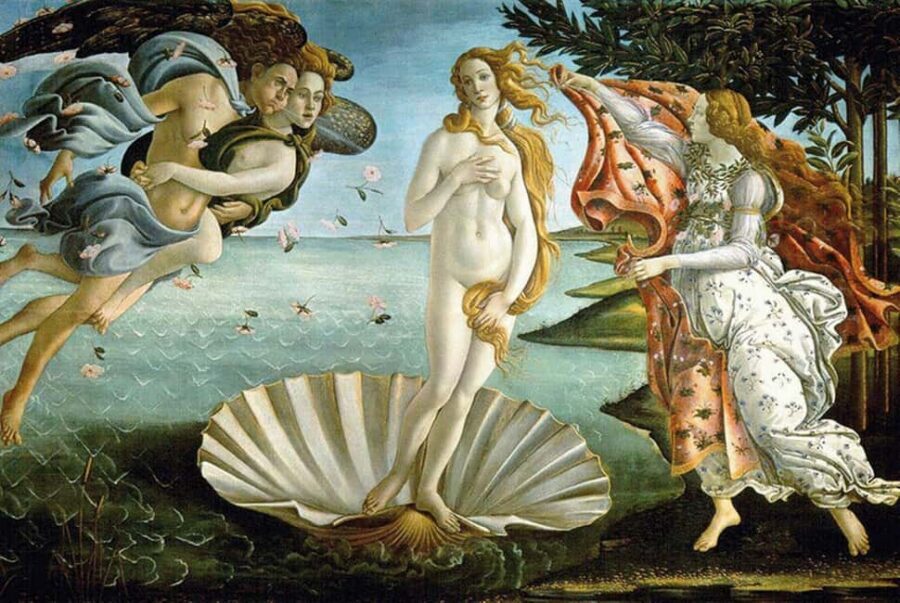
- Myths and legends, told through art
- A family portrait at the end
- How to make the treasure hunt feel fun for every age
- A note on the guide style
- Price of $286.04 per person: is it good value?
- Languages, accessibility, and what to bring
- Should you book this family Uffizi treasure hunt?
- FAQ
- Where does the tour start and end?
- How long is the Uffizi Gallery private treasure hunt?
- What’s included with the tour?
- What languages are available for the guide?
- Is it wheelchair accessible?
- Is Uffizi entry free on the first Sunday of the month?
Key things to know before you go

- Treasure hunt format inside the Uffizi with a guide leading you through symbols and hidden visual clues
- Stop-by-stop story flow, starting at the Neptune Fountain and moving into Piazza della Signoria and the Loggia dei Lanzi
- Specific art hunts, including Michelangelo’s Tondo Doni and symbolism in paintings by Botticelli and Caravaggio
- Family keepsakes, including a booklet to note answers and a family portrait at the end
- Private group plus earphones for up to 8 people, so everyone hears the guide clearly
- Multi-language support (English, French, German, Spanish, Italian, Russian) for a smoother family experience
Why this Uffizi treasure hunt works for families
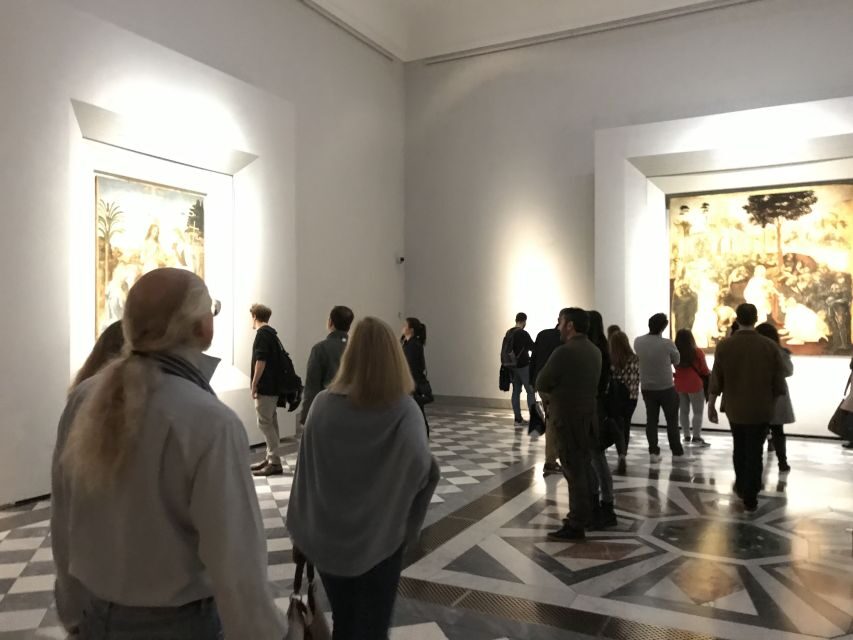
If your family has ever tried a traditional museum visit and watched the attention drift after 20 minutes, you’ll understand why this approach matters. Here, the Uffizi isn’t presented as a long list of famous works. It’s treated like a puzzle hunt where you look closely for details, then connect those details to stories, symbols, and the wider world of Renaissance Florence.
I also like that the guide doesn’t just talk at you. You’re actively searching for answers—things like animals, flowers, objects, and odd little visual choices—then you compare what you notice with the meaning the guide explains. That pattern keeps kids from zoning out because they’re always moving from question to observation to answer.
And because it’s a private group, you’re not forced into a one-size-fits-all pace. The group can stay together, listen through provided earphones, and keep the hunt going without the constant “catch up to the crowd” stress.
Other family-friendly Uffizi tours in Florence


Meeting at the Neptune Fountain and planning your 3-hour route
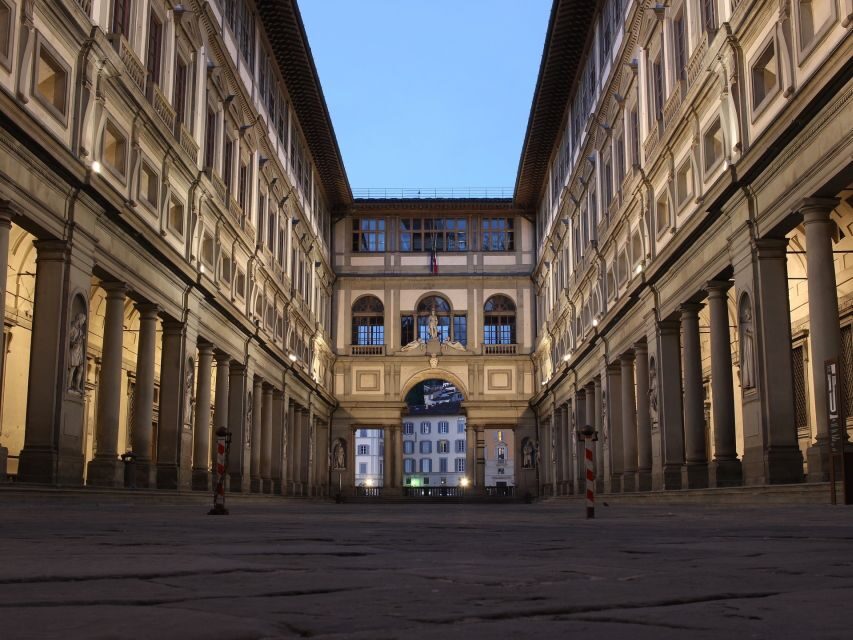
The tour starts at the Neptune Fountain, also known as Fontana del Nettuno. You end right back there, which is handy when you’re navigating Florence with kids and want a simple “meet and return” anchor point.
You’ll spend about 3 hours total at a family-friendly rhythm that blends outdoors and indoors. That matters because it breaks up museum time. The early stops help you build context in Florence’s public spaces before you step into the Uffizi. Then the main focus happens inside the gallery, where you’ll work through clue-based looking at Renaissance masterpieces.
One practical plus: earphones are provided for up to 8 people. That means if your family includes chatty kids or multiple generations, you can still keep the guide’s explanations clear without raising voices in crowded rooms.
Piazza della Signoria: Florence’s open-air art lesson
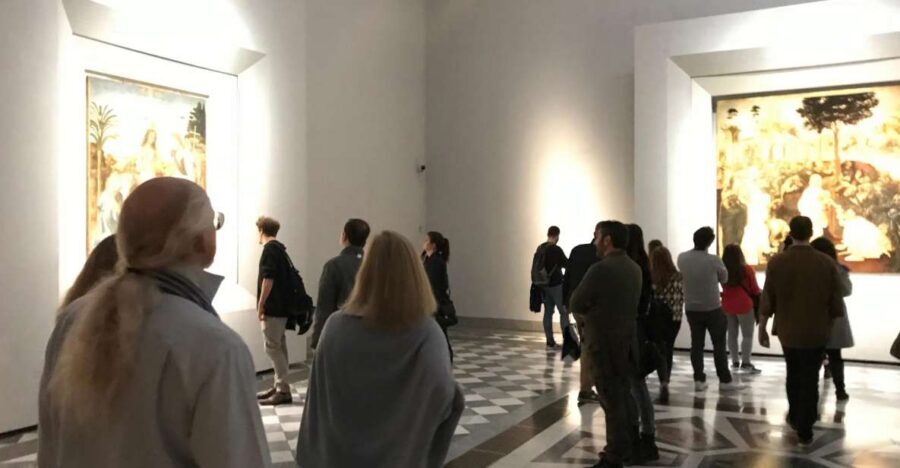
Stop 2 is Piazza della Signoria, and it’s not a random “walk by.” This is where Florence shows off its civic identity through sculpture and public storytelling. For families, the value is simple: you get momentum before the museum doors.
Your guided portion here sets up the idea that art isn’t only for interiors. It’s part of public life—power, identity, religion, and mythology. That context helps when you later see how Renaissance paintings packed symbolism into small visual details.
A small consideration: outdoor spaces can feel long for restless kids. Plan for short moments where everyone can step aside, reset, and then rejoin the hunt. Starting with a clear explanation from the guide helps kids understand what to look for, so you’re not just “standing in a square.”
Loggia dei Lanzi: where the hunt becomes visual
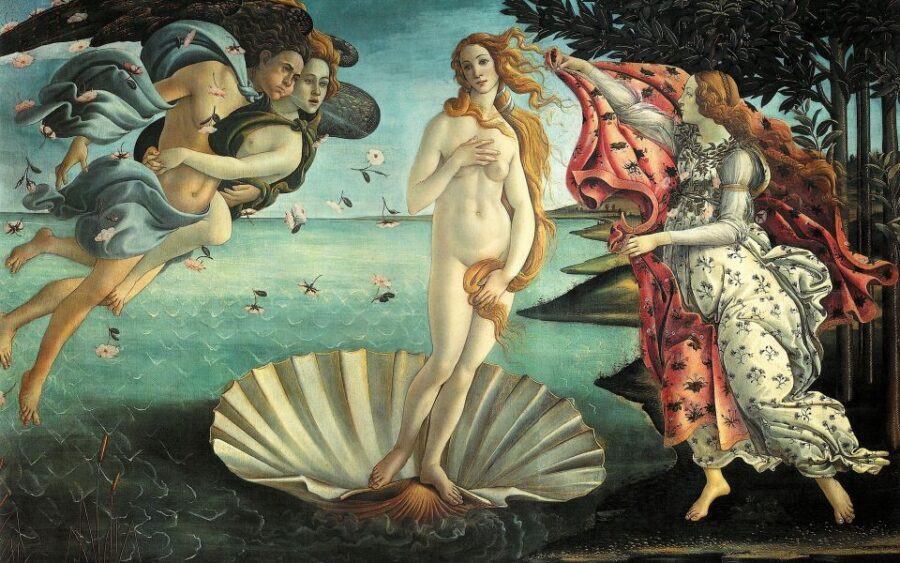
Next is Loggia dei Lanzi, another strong step in the route because it’s a bridge between what you see outside and what you’ll study inside. Here, the atmosphere supports the treasure-hunt theme. Your eyes learn to spot shapes, figures, and meaning rather than treating art as something untouchable and distant.
This stop also helps family groups adjust to the museum rhythm. Before the Uffizi’s long walls of masterpieces, you’re already doing guided looking. That’s how you avoid the common problem of entering a museum and immediately losing the kids’ attention.
If you’re planning the day around this tour, it’s smart to keep nearby plans lighter. You’ll get the most out of the hunt when you’re not rushing from one timed activity to another right afterward.
Inside the Uffizi: clues tied to Michelangelo, Botticelli, and Caravaggio
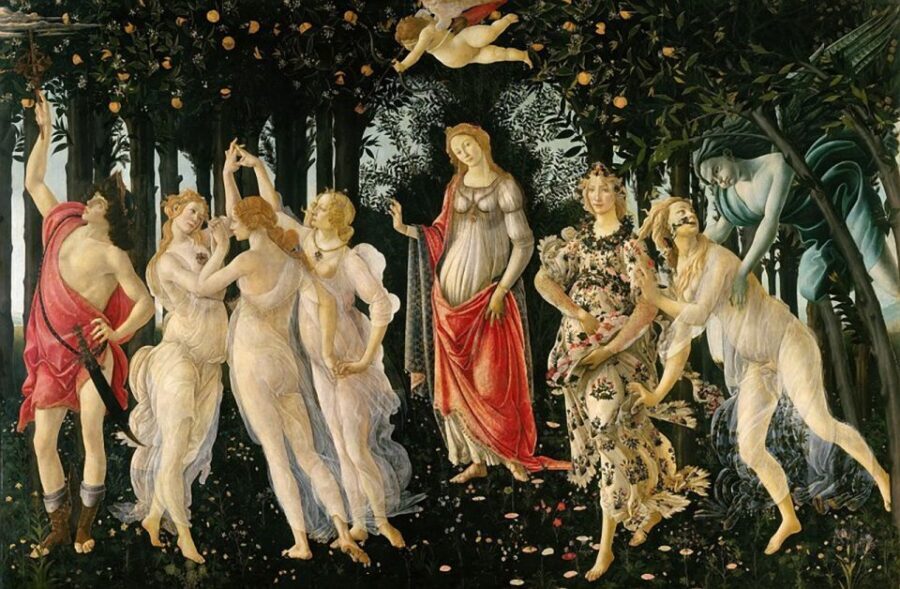
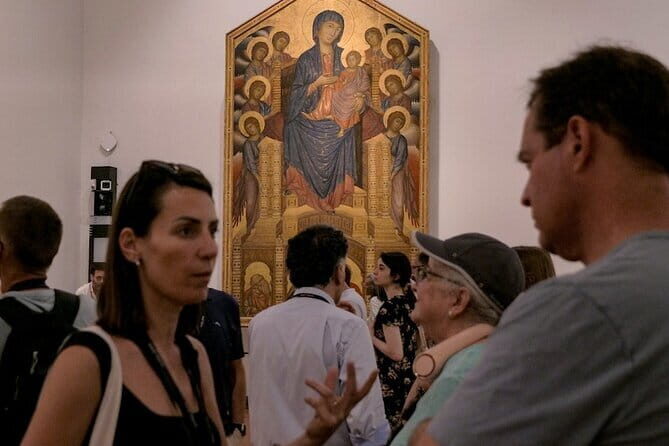
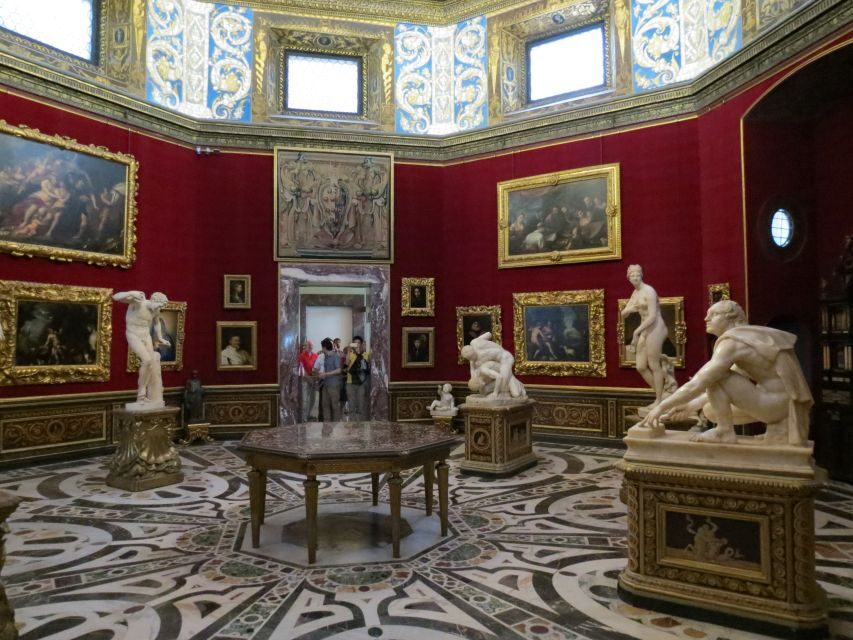
The heart of the experience is Stop 4: Uffizi Gallery for a guided visit of about 3 hours.
Other private tours in Florence

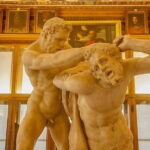



The “search for hidden sculptures” moment
One of the standout points is the hunt involving Michelangelo’s Tondo Doni. The treasure hunt asks you to look for significant details and symbols. When you’re given a specific target, you naturally slow down and notice things you’d otherwise miss. For families, it turns a famous artwork into a game: find the clue, then understand why it matters.
Medici commissions up close
You’ll also see references to the Medici family’s commissions. That’s a big deal for anyone trying to understand the Uffizi beyond famous names. The Medici shaped art and patronage, so when the guide ties the story to what you’re seeing, it helps kids and adults connect the dots: who funded the art, why it got made, and what messages it carried.
Caravaggio’s Medusa and the power of a close look
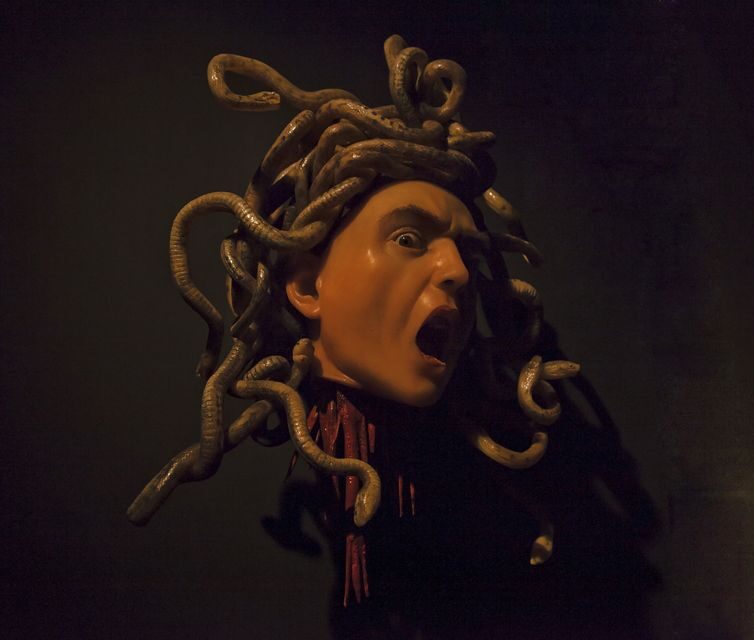
The tour specifically mentions a clue connected to Caravaggio’s Medusa’s mouth—the kind of detail that feels dramatic and immediate. Whether you’re looking for fear, symbolism, or visual storytelling, that approach gives you a strong reason to lean in closer than you normally would.
Animals, flowers, chairs: spotting the ordinary with a new lens
You’ll be asked to search for dogs, cats, flowers, and chairs in Renaissance paintings and think about what they might mean. This is one of my favorite parts because it reframes “background” elements. Kids often notice animals first. Then, with the guide’s help, you learn how those elements can carry themes, character, or moral messages.
Botticelli’s Annunciation and the single pillow detail
Another specific clue: the Virgin Mary’s bed in Botticelli’s Annunciation has only one pillow. That detail is perfect for families because it’s a visual oddity you can spot quickly. The guide’s explanation turns a fun observation into a meaningful takeaway about how artists made choices—and what those choices could signal.
Myths and legends, told through art
The guide also shares myths and legends tied to what you’re seeing. That adds texture to the museum experience. Instead of learning art like a textbook, you’re hearing how stories moved through Renaissance culture, which helps the art feel less like a distant artifact and more like part of a world people lived in.
A family portrait at the end
To cap it off, you’ll get a family portrait at the end of the tour. That’s not just a souvenir. It’s the “we did it” moment that helps kids remember the museum as an event, not a chore.
How to make the treasure hunt feel fun for every age
The tour is designed so kids stay engaged, but you can help it go even smoother with a couple of mindset shifts.
First, treat each clue as a win. You’re not trying to be correct at every step. You’re training your eyes. If a child sees a dog or a flower first, let that be the first step of the conversation. Then you can move to what the guide explains about meaning.
Second, use the booklet like a scorecard. You’ll receive a booklet for noting answers and adding a family picture. Even if your kids can’t read every prompt perfectly, writing something down turns attention into a task.
Third, don’t rush the “why.” The best part of this tour isn’t just finding the detail. It’s pausing long enough to understand why the guide says it matters. That’s where the symbolism clicks for adults, too.
A note on the guide style
I like that this tour is built around an expert live guide, and the tour provider has experience guiding families. One guide name mentioned is Rosa, described as strong on Renaissance art history and especially good at keeping young kids engaged. Even if your guide isn’t Rosa, it signals what you should expect from the guiding approach: story-driven, detail-based, and kid-aware.
Price of $286.04 per person: is it good value?
At $286.04 per person for about 3 hours, this isn’t the cheapest way into the Uffizi. But it’s also not meant to be a basic ticket. You’re paying for a structured family experience, not just entry.
Here’s what you’re getting for that price, based on what’s included:
- Entrance ticket to the Uffizi
- A guided treasure hunt designed to keep children engaged while adults learn
- A booklet for answers and a family picture
- Earphones for up to 8 people, which is a real comfort factor in a museum setting
- A private group format, which helps the route stay family-friendly
If you’re traveling as a family who wants both quality attention and a smoother experience—less wandering, fewer “what are we even doing in here?” moments—this price can make sense. If you’re mostly looking for self-guided browsing and you already know the museum well, you might feel it’s a premium. But for first-timers with kids, the structure often reduces time-waste and increases what everyone actually remembers.
Languages, accessibility, and what to bring
This tour offers live guiding in English, French, German, Spanish, Italian, Russian. That’s useful in a mixed-language family where not everyone wants to rely on translations from phones.
It’s also listed as wheelchair accessible, which is a big practical plus for families who need a smoother route through museum spaces and around obstacles.
Before you go, bring a passport or ID card. That’s a simple requirement, but it’s the kind of thing that can slow you down if forgotten on the day.
Should you book this family Uffizi treasure hunt?
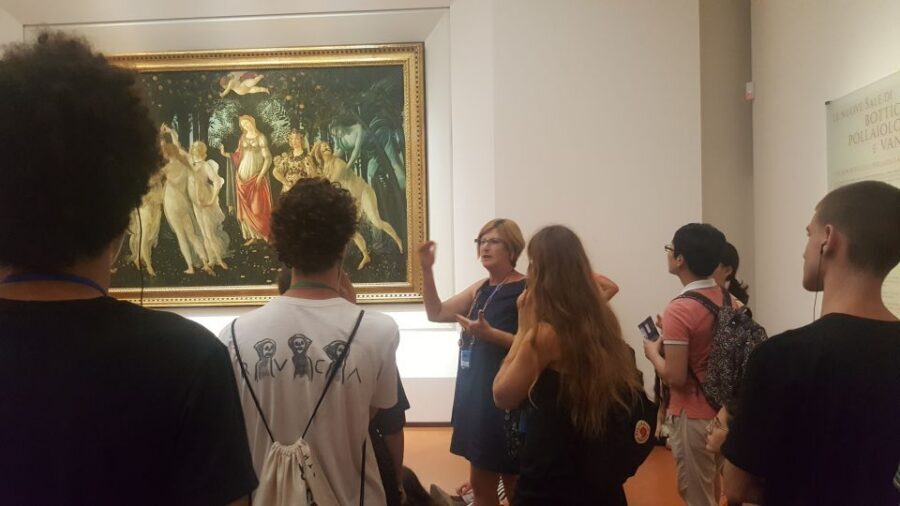
Book it if your family wants the Uffizi to feel like an adventure, not a long lecture. The clue-based structure, the specific hunts (Michelangelo’s Tondo Doni, Caravaggio’s Medusa detail, Botticelli’s one-pillow bed), and the family portrait make it feel like a complete experience.
Skip it (or consider alternatives) if your group hates structured tasks, prefers complete freedom, or knows your family will struggle with a roughly 3-hour museum format.
For many families, though, this is exactly the kind of ticket that pays off: you leave with better-looking art memories, clearer context, and kids who can point to details they actually found.
FAQ
Where does the tour start and end?
The tour starts at the Neptune Fountain (Fontana del Nettuno) and ends back at the same meeting point.
How long is the Uffizi Gallery private treasure hunt?
It lasts 3 hours.
What’s included with the tour?
The tour includes an entrance ticket, a booklet for answers and adding a family picture, and earphones for up to 8 people.
What languages are available for the guide?
The live guide is available in English, French, German, Spanish, Italian, and Russian.
Is it wheelchair accessible?
Yes, this activity is listed as wheelchair accessible.
Is Uffizi entry free on the first Sunday of the month?
On the first Sunday of each month, entrance is free of charge, but tickets cannot be reserved ahead of time, so entry is not guaranteed.