REVIEW · FLORENCE
Florence: Uffizi Gallery Entry Ticket
Book on GetYourGuide →Operated by StarFlorence · Bookable on GetYourGuide
Your eyes start in 13th-century Florence.
An entry ticket with a reservation gets you into the Uffizi, one of Europe’s classic art museums, with a route that moves through centuries in order. I love how this kind of timed entry makes a peak-day museum visit feel less like a waiting game, and more like a focused art walk. I like that you’re not just handed a ticket; you meet a guide at Uffizi Gallery Square and then get a clear way to see the highlights.
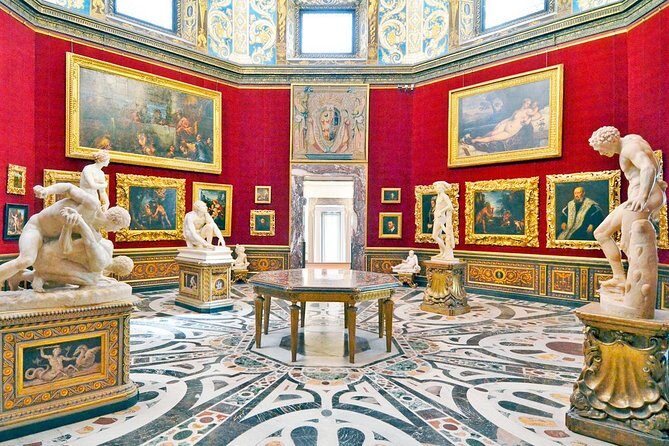
My favorite part is the Medici connection. The gallery is packed with the family’s famous collection, including statues and busts that are Roman copies of extinct Greek originals, plus the portrait of Anna Maria Luisa de’ Medici, the last Medici who helped donate the collection to the city. Another thing I appreciate: the route points you toward major works across eras, from Giotto to Botticelli and beyond.
The possible drawback is value. At least one review complained the experience felt like a ticket handoff at the entrance rather than meaningful guiding, which is a good reminder to check what level of help you’re expecting for the money.
In This Review
- Key highlights at a glance
- Meeting at Leonardo’s statue and getting inside fast
- What the Uffizi visit feels like once you’re inside
- The Medici hallway effect: statues, busts, and a big donation story
- The early rooms: Byzantine art and the foundations you might skip
- Giotto’s Madonna di Ognissanti and why this stop is worth it
- Renaissance must-sees: Botticelli, Leonardo, and the thrill of big names
- Caravaggio’s Medusa and the darker turn of taste
- Michelangelo’s wood-based painting: a rare detail that makes you look harder
- Filippo Brunelleschi: spotting the “creation of art” clue
- The pacing: structure first, then your own eyes
- Price and value: is $59.22 worth it?
- Practical logistics that affect your day
- Who this fits best
- Should you book this Uffizi skip-the-line entry ticket?
- FAQ
- Where does the experience start?
- Where does the experience end?
- How long is the experience?
- What does the ticket include?
- How much does it cost?
- Do I need to bring an ID?
- Is food included?
- Are bags allowed?
- Is the museum visit wheelchair accessible?
- Is cancellation free?
- Can I reserve without paying immediately?
Key highlights at a glance
- Skip-the-line entry with a reserved time slot to help you beat peak queues
- Medici treasures: Roman copies of Greek sculpture and Medici donation context via Anna Maria Luisa de’ Medici
- A chronological walkthrough starting from Byzantine art and working toward the Renaissance
- Major anchor works in your path, including Giotto and Botticelli plus stops that lead you to Caravaggio and Michelangelo
- Visitor-friendly rules that keep things manageable: no pets and no large bags, plus wheelchair access
Meeting at Leonardo’s statue and getting inside fast
This experience starts at Uffizi Gallery Square. You meet your guide at the Leonardo Da Vinci statue, and the tour ends back at that same meeting point. That matters because the Uffizi area can be confusing if you’re trying to navigate streets and entrances on your own.
The practical win here is simple: you’re not starting the day by hunting for the right line. The ticket is bundled with a reservation, and the operator says they guarantee skip-the-line entry except if the museum has delays or strikes affecting management. On a day when Florence is busy, that kind of predictability is often worth real money.
One more detail you’ll want to plan around: you’ll need an ID or passport. Also, food isn’t included, so build a plan for a snack or gelato before you go in (or after you come out). There’s no hotel pickup either, so you’re handling your own arrival.
A few more Florence tours and experiences worth a look


What the Uffizi visit feels like once you’re inside
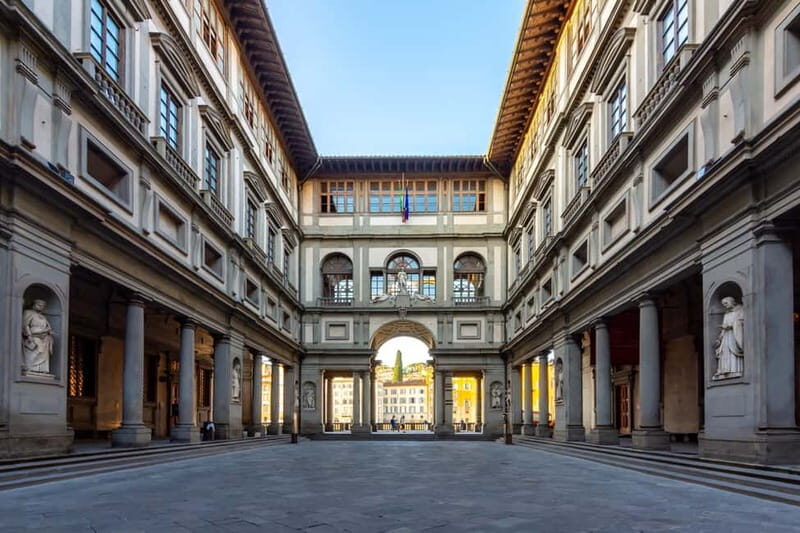
The Uffizi isn’t just a place to see famous paintings. It’s designed as a journey through how art evolved, and this route is set up to match that idea. The museum is described as one of Europe’s oldest, with a focus on how art developed through the Middle Ages and into the Italian Renaissance.
After you enter, you follow a sequential itinerary that takes you back in time—starting with earlier works (including Byzantine art) and gradually moving toward the Renaissance. Then you’re given time to look around on your own. That balance is good if you like structure but don’t want to be marched room-to-room without breathing space.
If you like planning your viewing like a game—spot the painter, then check the details—that’s where this works. The route is meant to keep you from wandering randomly and missing big landmarks you came for.
The Medici hallway effect: statues, busts, and a big donation story
One of the most distinctive things about this museum is that it’s more than a painting gallery. The Medici owned a large share of Florence’s artistic masterpieces, and their collection shaped what you see in the Uffizi.
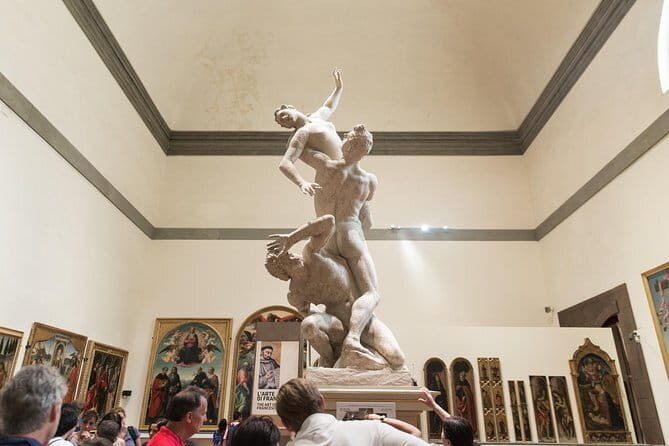
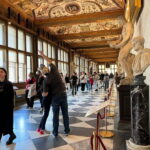
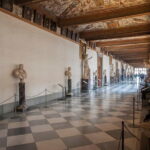
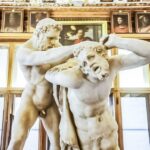
In the hallways, you’ll encounter ancient Roman statues and busts. The description notes these are Roman copies of Greek sculptures that no longer exist. That’s fascinating in a specific way: you’re not just staring at art; you’re looking at how later cultures preserved older beauty when the originals were gone.
Another moment built into this experience is the portrait of Anna Maria Luisa de’ Medici. She’s described as the last surviving Medici responsible for donating the family’s collections to the city. Even if you don’t know her name now, you’ll likely remember her by the time you reach that stop, because she’s basically the bridge between Medici private ownership and public access.
If you want to understand why the Uffizi feels like a controlled “world” rather than a loose set of rooms, this is a big reason. The Medici influence is woven into the route and the atmosphere.
The early rooms: Byzantine art and the foundations you might skip
Your route starts with earlier art, including Byzantine works. This is the kind of museum pacing that helps you avoid the common mistake of going straight for the Renaissance superstars and missing what came before.
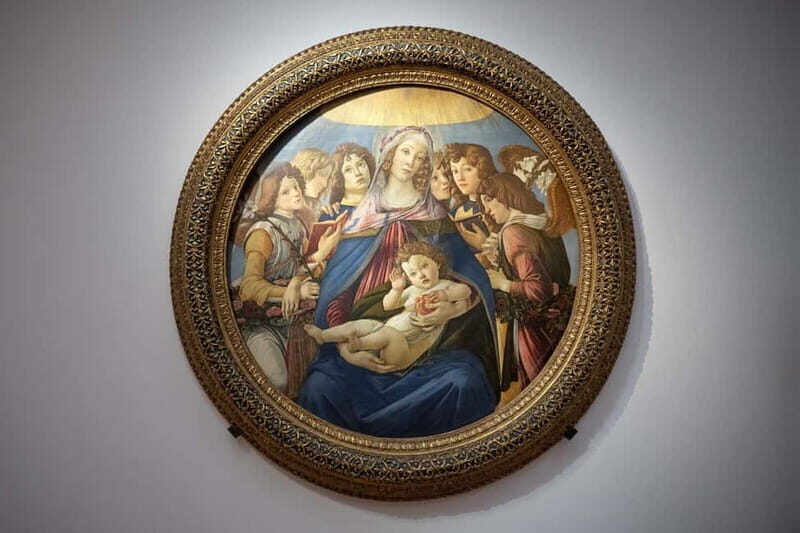
In the first hall, you’ll see works by artists like Giotto, Cimabue, and Duccio di Buoninsegna. These names are the kind you’ve heard in history class, but here you get to see them in context—how the visual language changes from earlier traditions into something more recognizable as Renaissance storytelling.
This is also where you’ll likely notice what changes over time: figure styles, emotion, and how artists handle space. Even if you can’t read every detail, the shift is the point. You’re training your eye as you move forward through the museum.
Giotto’s Madonna di Ognissanti and why this stop is worth it
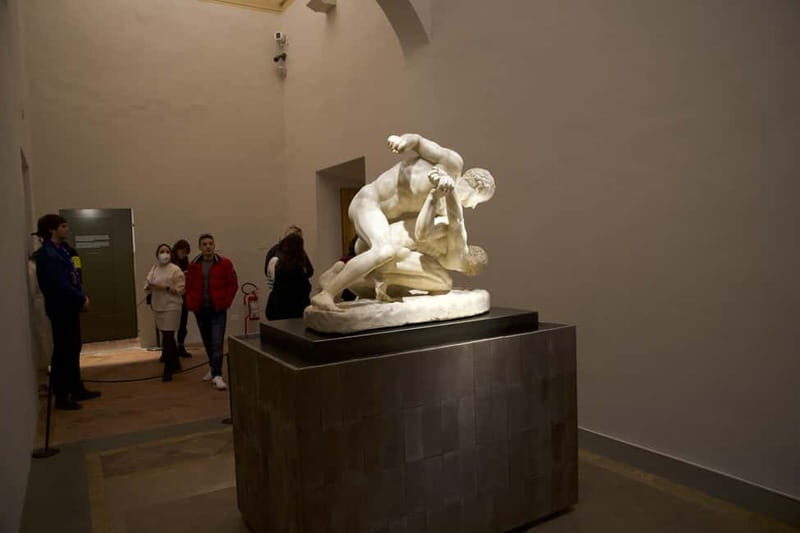
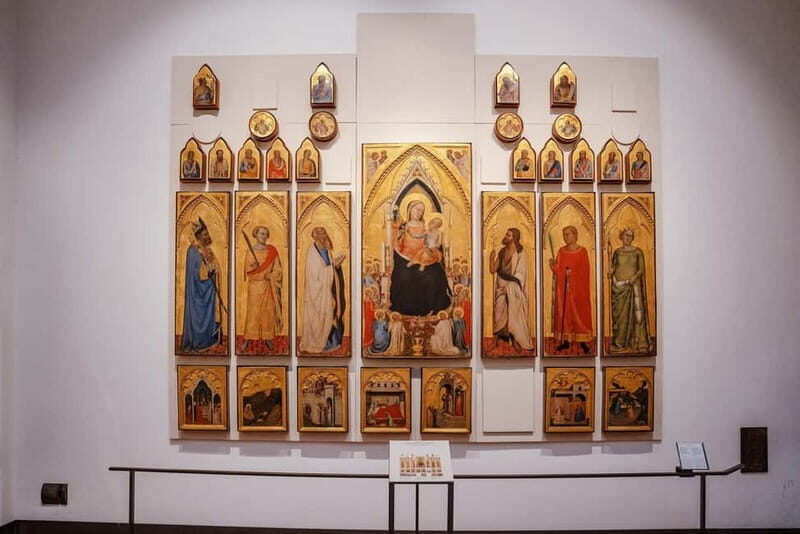
One of the listed highlights is Giotto’s Madonna di Ognissanti. This is a good anchor because Giotto is often treated as a turning point figure in art history, and this specific work is a direct way to experience that transition.
When you reach this piece, don’t rush. Look at how the Madonna is framed, and notice the way the painting balances solemnness with human presence. The route sets up earlier rooms first, so by the time you land here, you’re positioned to feel why Giotto mattered.
Also, Giotto sits in that sweet spot between “famous name” and “actually interesting up close.” Even if you’re mostly a Renaissance fan, this is one of those stops that can change your mind.
Other museum experiences in Florence

Renaissance must-sees: Botticelli, Leonardo, and the thrill of big names
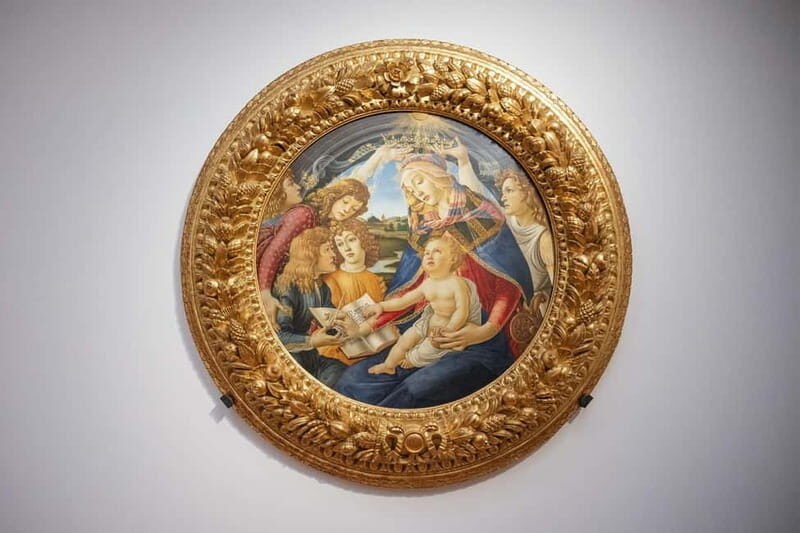
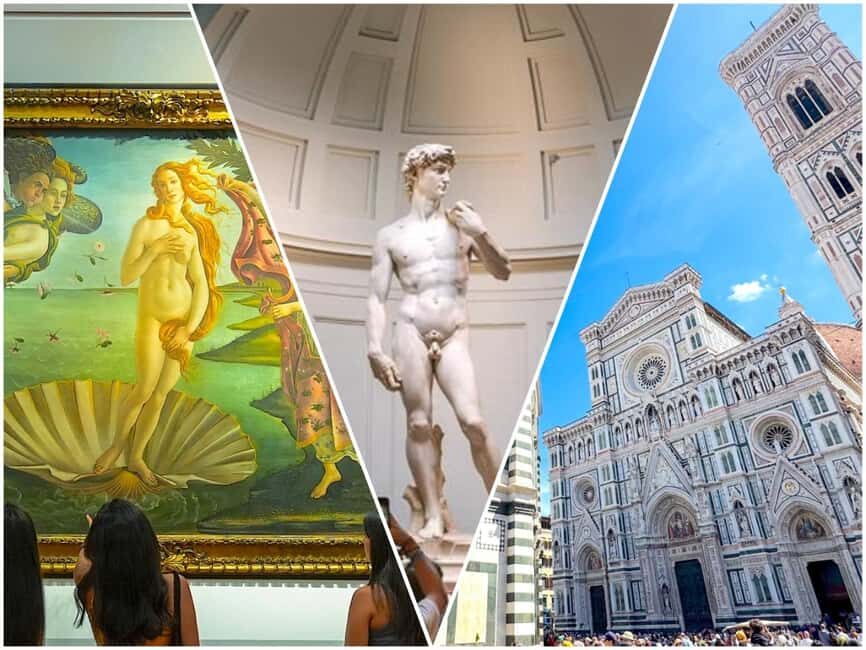
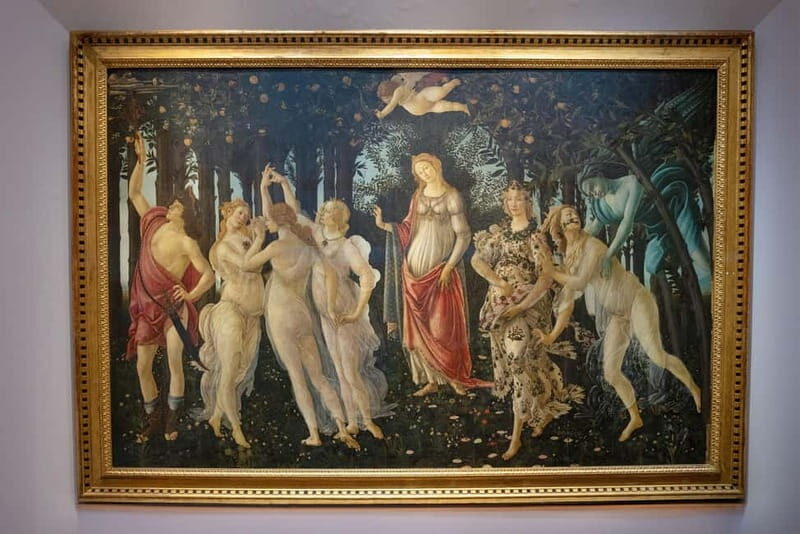
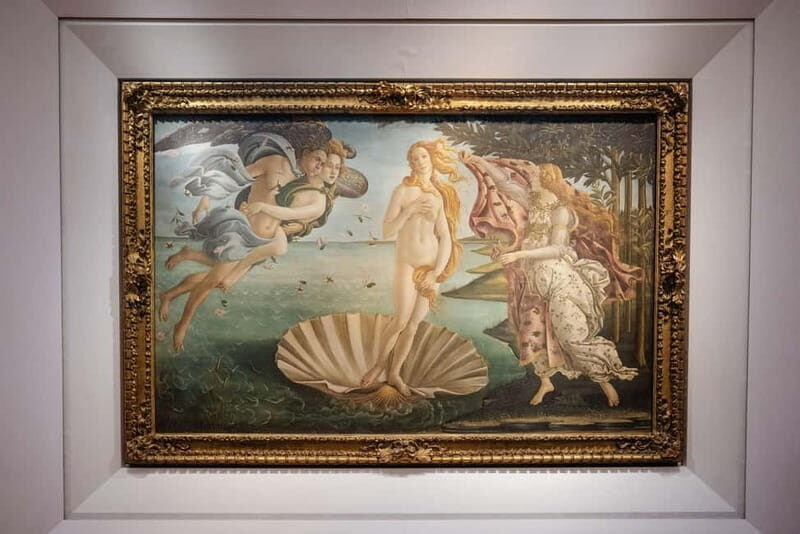
After the earlier foundation rooms, the museum shifts toward Renaissance masterpieces. This is where the description calls out major works like Birth of Venus by Botticelli and the Annunciation by Leonardo da Vinci. Those are the type of paintings people travel for, and having them in your route keeps your visit from becoming a scavenger hunt.
The itinerary also references Botticelli pieces related to Venus themes, including a Venus de Milo–named work. Since the Uffizi includes classical subject matter in several places, you’ll likely see how Renaissance artists borrowed from ancient myth and symbolism.
With Leonardo’s Annunciation, I’d treat this like a “slow looking” moment. The point isn’t only that it’s famous; it’s that Leonardo’s style rewards attention to light, gestures, and how the scene holds together. A timed, structured entry helps here because you’re less likely to be stressed or rushing between rooms.
Caravaggio’s Medusa and the darker turn of taste
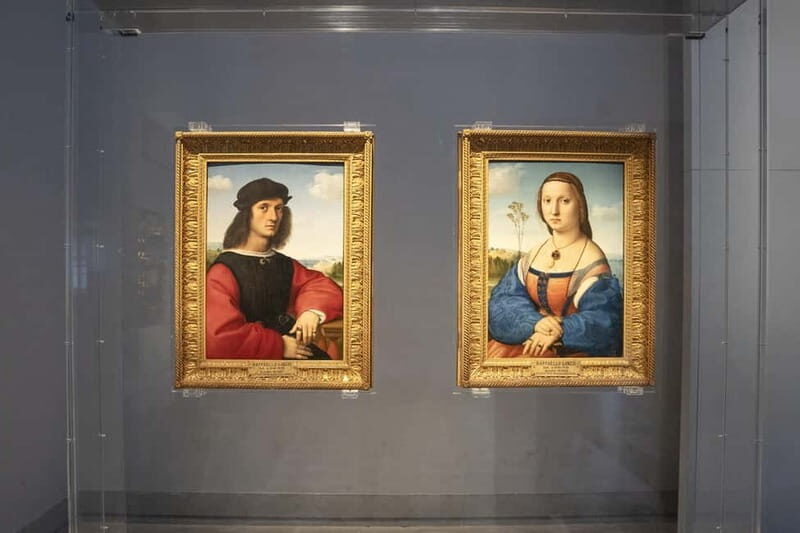
The route includes Medusa by Caravaggio. Caravaggio is often remembered for dramatic lighting and intense realism, and the Uffizi inclusion is a reminder that the museum’s story isn’t only about soft ideal beauty.
If you’ve been moving through earlier rooms, Caravaggio can feel like a sharp change in mood. That’s not a problem—it’s part of the museum’s educational value. You can compare how earlier artists treated figures and expression versus how Caravaggio leans into tension.
This is also a smart stop for anyone worried that an art museum will become one long blur of paintings. Caravaggio interrupts the pattern.
Michelangelo’s wood-based painting: a rare detail that makes you look harder
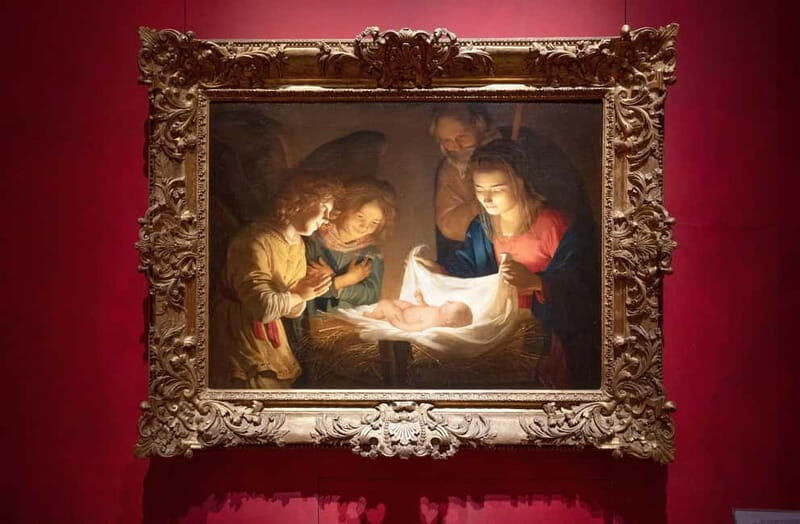
Another strong highlight is Michelangelo’s sole wood-based painting. That wording matters because it points to a specific type of work, not just a famous artist name.
When you find it, try to see the difference that a different medium can create. Wood-panel paintings can have a particular look and texture that you don’t always get from other formats. Even without art-technical knowledge, you can usually spot that the surface feels different and the paint can look more immediate.
This is also a great example of why a guided route helps. If you’re roaming on your own, you might miss the fact that the museum contains this particular Michelangelo piece in the first place.
Filippo Brunelleschi: spotting the “creation of art” clue
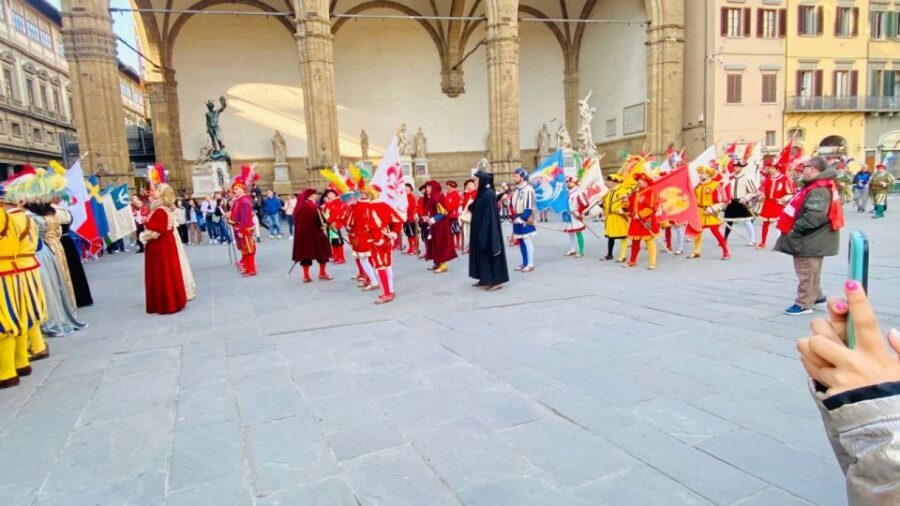
The highlights mention an admirable creation of art by Filippo Brunelleschi. The data doesn’t specify which piece, but the key value is that Brunelleschi represents more than painting in this museum story.
Brunelleschi is a name tied to architecture and early Renaissance thinking. If you keep that in mind as you move through the route, you’ll likely catch the idea that the Uffizi isn’t only about artists who painted. It’s about how Renaissance ideas spread across disciplines.
If you’re the kind of visitor who likes connecting art to how people thought at the time, this inclusion helps you build that larger picture.
The pacing: structure first, then your own eyes
A big part of the experience is the combination of itinerary guidance and free time. You’re given a sequential itinerary that takes you back in time, and then you have the chance to look around on your own.
That’s a practical model. In a museum as crowded as the Uffizi can be, it’s easy to lose track of priorities. But once you’ve been “placed” into the correct historical order, you can choose your own intensity level: 10 minutes with a masterpiece you love, or 30 minutes if something grabs you.
It also makes bathroom and snack breaks easier to schedule. You’re not stuck waiting for the next group moment as soon as you want to reset.
Price and value: is $59.22 worth it?
The listed price is $59.22 per person. This is a “does it save enough hassle?” situation more than a “this includes a private museum tour” situation.
Here’s what you get according to the provided info:
- A ticket plus a reservation to the Uffizi
- Skip-the-ticket-line entry
- A guide meeting point at Uffizi Gallery Square (Leonardo Da Vinci statue)
- About 1 day in duration, with starting times based on availability
So, the value question comes down to how you personally weigh two things: time saved at the entrance and how much you expect from the guide beyond entry help. One review flagged a concern that the service felt like ticket delivery at the entrance, which can feel off if you were expecting a deeper guided narrative.
My practical advice: if you care most about getting in fast and seeing the highlights, this price can make sense. If you want a full-on commentary tour that explains each masterpiece in depth, you’ll want to confirm what the guide actually covers once you’re inside. With the Uffizi, “reservation + entry” can be the whole deal.
Practical logistics that affect your day
A few details can make or break your stress level at the Uffizi.
Bags and rules: Pets are not allowed. Oversize luggage, as well as luggage or large bags, aren’t allowed. That means pack light—think small day bag, keep it simple.
ID required: Bring your passport or ID card. This is common in Italy for ticketed attractions, and having it ready avoids last-minute headaches.
No food included: You’ll need to plan your own meal and drinks. If you’re doing this alongside other Florence stops, time it so you’re not starving in the middle of the museum.
Wheelchair accessible: The experience notes wheelchair accessibility. If mobility is a consideration, it’s a good sign—but still plan around museum crowds and the fact that you’ll be moving through many rooms.
If the museum is delayed: The operator’s guarantee of skip-the-line entry is stated to be except during delays or strikes by museum management. That’s worth keeping in mind, even if it’s not your fault.
Who this fits best
This entry-ticket experience is a strong match for:
- Art lovers who want a structured way to see major works without spending hours in lines
- Visitors who like a chronological route—Byzantine to Renaissance—then enjoy free time afterward
- People who prefer light guidance at the start (meeting point, reservation handling) rather than constant commentary
It’s not the best match for:
- Anyone expecting a long, fully narrated, stop-by-stop museum lecture included with the reservation. If your priority is deep interpretation at every room, you may feel under-supported.
If you’re somewhere in between, it can still work well—especially if you come ready to look up names and take your time with the pieces that move you.
Should you book this Uffizi skip-the-line entry ticket?
I’d book it if your goal is simple: get into the Uffizi efficiently, follow a sensible timeline, and see the headline masterpieces without turning your day into a queue.
Skip it (or at least investigate further) if you’re paying mainly for guidance and you need lots of in-depth commentary. The one negative value complaint is a reminder that the difference between a ticket service and a full tour can matter a lot.
Overall, at $59.22 with a reservation and skip-the-line entry, this is best seen as a fast pass to the museum’s best viewing order—plus Medici context that makes the Uffizi feel more like a story than a list of famous paintings.
FAQ
Where does the experience start?
You meet the guide in Uffizi Gallery Square at the Leonardo Da Vinci statue.
Where does the experience end?
This activity ends back at the meeting point.
How long is the experience?
It’s listed as 1 day. Starting times depend on availability.
What does the ticket include?
It includes the ticket and reservation for the Uffizi Gallery, with skip-the-ticket-line entry.
How much does it cost?
The price is $59.22 per person.
Do I need to bring an ID?
Yes. Bring your passport or ID card.
Is food included?
No. Food and drinks are not included.
Are bags allowed?
Pets are not allowed, and oversize luggage or luggage/large bags are not allowed.
Is the museum visit wheelchair accessible?
Yes, wheelchair accessibility is listed for this activity.
Is cancellation free?
Free cancellation is available up to 24 hours in advance for a full refund.
Can I reserve without paying immediately?
Yes. It offers reserve now & pay later, meaning you can keep travel plans flexible.