REVIEW · FLORENCE
Accademia & Uffizi Museums: Small Group Tour with Optional Lunch
Book on Viator →Operated by CAF Tour and Travel · Bookable on Viator
Florence in three hours, but worth it. This small-group combo tour strings together the Accademia and the Uffizi with timed admission and a museum guide, so you spend less time stuck in lines and more time looking up at the masterpieces.
Two things I especially liked: you get a real shot at Michelangelo’s David and the related sculpture group I Prigioni at Accademia, and you can hear your guide clearly thanks to provided earphones. The main drawback to consider is that the experience depends on the audio gear working well; a few people reported problems hearing the guide in the Uffizi part.
In This Review
- The Highlights That Make This Tour Worth It
- Why This Two-Museum Combo Works in Three Hours
- Accademia Entry: Michelangelo’s David and the Prison Sculptures
- The Uffizi Part: Botticelli, Leonardo, and the Rooms You Came For
- Small-Group Pacing and the Guide Effect
- Lunch Option: When a 3-Course Tuscan Meal Is Good Value
- Price and Timing: Is $145.38 a Smart Buy?
- Meeting Point, Doors, and How to Avoid Stress
- Who This Tour Fits Best (and Who Should Think Twice)
- Should You Book This Tour?
- FAQ
- How long is the tour?
- Are tickets and admission included?
- Is lunch available?
- What group size should I expect?
- What language is the tour offered in?
- Where do I meet the tour?
The Highlights That Make This Tour Worth It
- Timed admission for both museums helps you skip the worst queue chaos
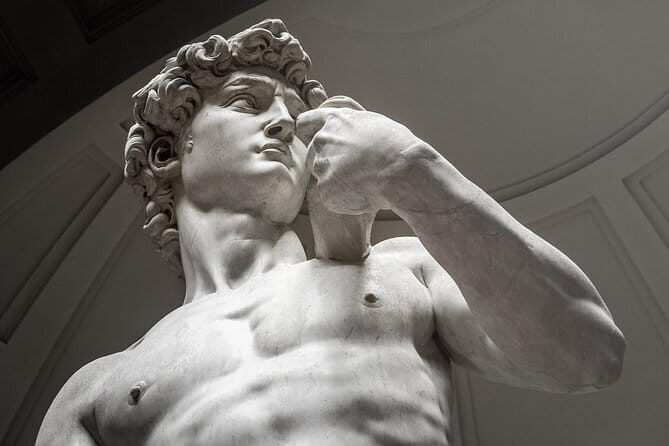
- Accademia focus on Michelangelo, including David plus I Prigioni
- Uffizi essentials that hit Botticelli’s Primavera and Birth of Venus, plus major Renaissance names
- Small group size (max 15) keeps the pace more human than big bus tours
- Optional 3-course Tuscan lunch if you want food handled for you
- Earphones included so your guide commentary doesn’t get lost in museum noise
Why This Two-Museum Combo Works in Three Hours
Florence’s top art museums are famous for a reason, but time is the real luxury here. Doing Accademia in the morning and the Uffizi afterward means you hit both without losing an entire day to back-and-forth planning.
This tour is built around efficient entry and short, guided stops: about 1 hour at the Accademia and about 1.5 hours at the Uffizi. For first-timers, that’s a smart way to get your bearings fast and make sure you don’t miss the works that define Florence’s Renaissance reputation.
You’ll also travel with a local professional guide and earphones. Even if you’re not an art expert, this format helps you follow what matters in each room, instead of wandering randomly and hoping for the best.
Other small-group Uffizi tours in Florence
Accademia Entry: Michelangelo’s David and the Prison Sculptures
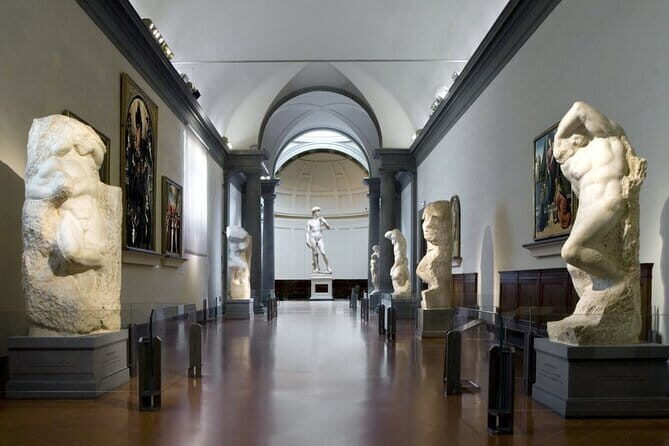
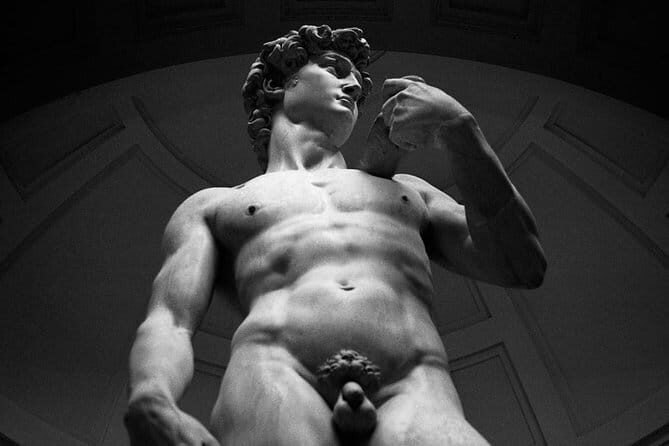
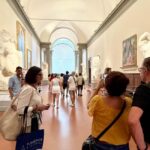
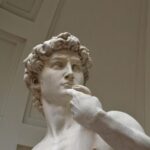
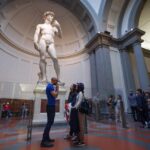
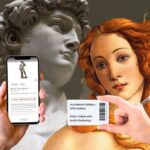
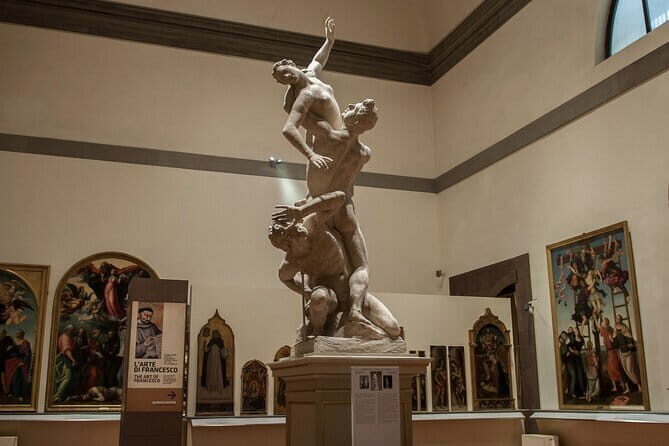
The Accademia portion is all about Michelangelo. If you’ve ever seen David in a book, the real statue hits differently in person—scale, expression, and that sense that the marble is almost tense with motion.
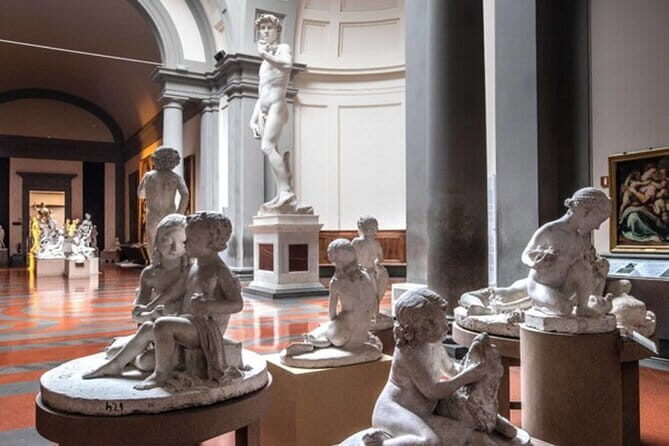
In this stop, you’ll also see sculptures tied to Michelangelo’s working ideas, including I Prigioni (the Prisoners) and San Matteo, plus the Palestrina Pietà. That matters because Accademia isn’t just a one-statue stop. It’s a place where you can connect the dots between Michelangelo’s themes: bodies, struggle, and the moment before form fully emerges.
The tour is designed to give you time to actually look. A common theme in the feedback is that people were genuinely grateful for the amount of time they got with David. If David is your #1 reason for coming to Florence, this first stop is where you’ll feel it most.
One small consideration: the Accademia experience can involve waiting for tickets depending on the arrival slot and crowd flow. Even when everything goes smoothly, the museum doors aren’t always as instant as they seem from afar—so give yourself a few minutes of breathing room mentally.
The Uffizi Part: Botticelli, Leonardo, and the Rooms You Came For
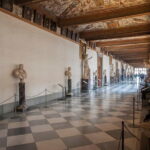
The Uffizi is the museum most people imagine when they think of Renaissance Florence. It’s huge, it’s layered, and it can feel like drinking from a fire hose if you’re there without a plan.
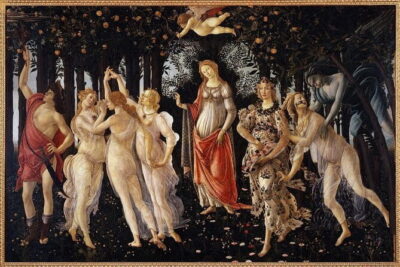
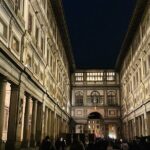
Here, the guide targets major painters you’ll recognize—Botticelli, Michelangelo, Leonardo da Vinci, Raffaello, Giotto, Cimabue, Masaccio, and more. The big emotional payoff is the set-piece rooms where Botticelli’s Primavera and Birth of Venus live. Even if you’re only loosely familiar with the paintings, seeing them with commentary helps you understand the symbolism and the why behind the images.
You’ll get guided time that’s long enough to start noticing how the museum’s masterpieces relate to each other. Some people love this Uffizi section most when they feel close to the action in the rooms, not stuck at the back. So if you care about front-row sightlines, keep your expectations realistic: it’s a busy museum, and groups will naturally end up where space allows.
A practical note from experience patterns: earphones are supposed to make it easier to hear the guide in the noise. But a few folks had trouble with audio quality during the Uffizi portion. If you know you’re sensitive to audio issues, arriving a bit earlier and staying attentive to the guide’s microphone setup (when possible) can make the difference.
Small-Group Pacing and the Guide Effect
This is a max-15 group. That’s not just a number—it affects how the tour feels. In smaller groups, your guide can move you efficiently between highlights, and you’re more likely to get a pace that fits how museums work (not how tours wish museums worked).
The guide is the difference-maker in both museums. Multiple guides have been praised for bringing enthusiasm and strong context to the artwork. People also noted that the guide helped them feel comfortable asking questions and that the tour didn’t feel like a rushed checklist.
I also like that the tour uses earphones. Florence museums can be echo-y, and tour groups often sit in clusters. With earphones, you’re less dependent on whether you happen to be standing in a perfect spot.
That said, the audio gear is only helpful if it’s working well. If your set has static, distortion, or you can’t hear clearly, you may need to rely on proximity and your own positioning. It’s not the most fun fallback plan, but it’s better than missing the whole story.
Lunch Option: When a 3-Course Tuscan Meal Is Good Value
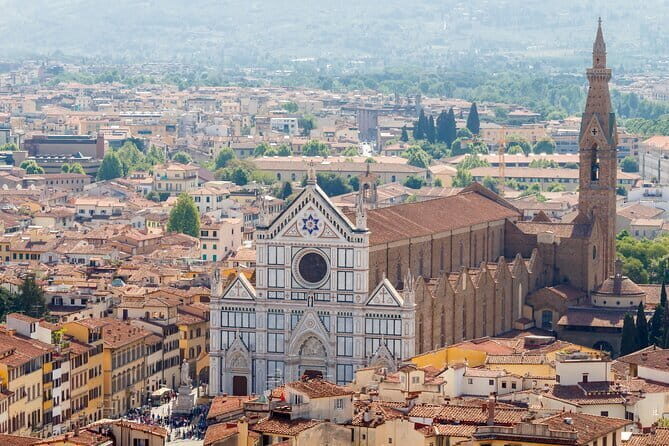
Lunch is optional, and it’s a 3-course set Tuscan menu in a typical restaurant. In other words: you’re paying for convenience and a guaranteed meal slot tied to the tour, not for a gourmet tasting experience.
Is it good? Some people found it just okay, and a few said it wasn’t great value. Others described lunch as having good service. So my advice is simple: decide based on what you want more that day—time saved or a higher-quality meal at your own pace.
If you’re trying to maximize art time, you can skip the lunch option and plan something nearby. If you prefer not to coordinate your meal at all, take the lunch and let it be the low-pressure break between galleries.
Also remember: drinks are not included with the lunch. So if you want wine or anything beyond water, plan to pay on the spot.
Other Uffizi + Accademia (David) tours in Florence
Price and Timing: Is $145.38 a Smart Buy?
At $145.38 per person, the headline price isn’t the whole story. What makes the math work is that admission is included for both museums, and the Uffizi ticket includes a standard surcharge of €29.
You’re also paying for the parts that are hard to DIY efficiently: the timed admission rhythm and a local guide. With Accademia and the Uffizi both being high-demand sites, the value comes from reducing wasted time and getting context once you’re inside.
Duration is about 3 hours total, so this isn’t a day-long “see everything” promise. It’s more like: see the key monuments of Florence’s art scene with a guide, without losing your entire day. If you want more depth later, you’ll still have the option to return on your own.
When value feels strongest: if you only have a limited window in Florence, if you want the big-name masterpieces covered, and if you like learning as you look rather than doing museum guesswork.
When value feels weaker: if you’re the type who wants to wander slowly and read every label, you may wish you’d left time for extra independent exploring after the tour ends.
Meeting Point, Doors, and How to Avoid Stress
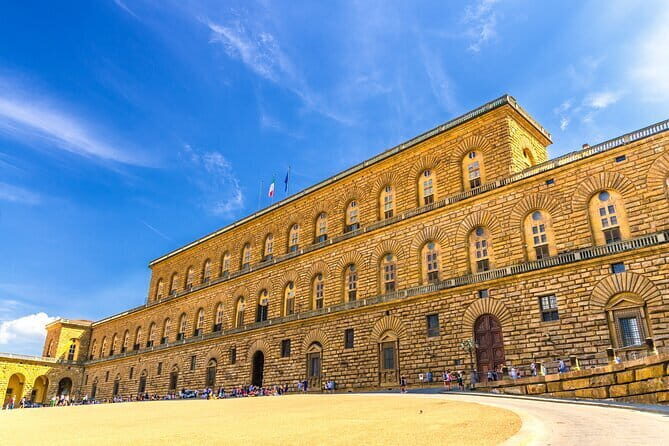
The start point is Via Ricasoli, 68, 50122 Firenze FI, Italy. The end point is at the Uffizi Galleries on Piazzale degli Uffizi, 6, 50122 Firenze FI, Italy.
Two things matter here. First, you must arrive at the meeting point at the check-in time. If you’re late, you may not be able to join, and there’s no refund or reschedule option offered for missed start times.
Second, transportation between the two museums is not included. That means you should plan on walking or handling the between-stops connection yourself. Comfortable shoes aren’t optional—this is Florence, and you’ll be moving through streets and museum entry points.
In busy seasons, check-in and ticket timing can feel like the most stressful part of the day, even when the museum visits go well. If you want this to feel calm, aim to get there early enough to avoid a last-minute scramble.
Who This Tour Fits Best (and Who Should Think Twice)
This tour fits best if you want a focused Florence art hit without the “what do we do now?” feeling. It’s ideal for first-time visitors, cruise passengers, people with limited time, and anyone who wants Michelangelo plus the Uffizi’s Renaissance star power in one day.
It also works well for mixed groups—people who love art and people who just want to say they saw David and Botticelli’s masterpieces in person.
Think twice if:
- You’re very sensitive to audio issues and worry you might not hear the guide if the earphones malfunction.
- You dislike the idea of a set schedule and would rather spend more time in one museum than split your attention.
- You’re expecting lunch to be a standout culinary experience. It’s a set menu meant for convenience.
Should You Book This Tour?
Yes, with one practical condition: book it if you’re ready for a highlights-first approach. This combo tour is built around efficient entry, small-group pacing, and guides who can turn famous works into something you understand, not just see.
If David is a must and you want the Uffizi’s biggest Botticelli moments covered without spending hours planning, this is a solid way to use a short stay in Florence. And if you skip the lunch option, you can keep your day centered on museums and still eat on your own schedule.
If you want, tell me your travel dates (month) and your museum priorities (Michelangelo only, or also Botticelli/Leonardo). I can suggest how to structure the rest of your day around this tour so it feels smooth instead of rushed.
FAQ
How long is the tour?
The tour runs about 3 hours total, with about 1 hour at the Accademia and about 1.5 hours at the Uffizi.
Are tickets and admission included?
Yes. Accademia admission is included with a reservation fee, and the Uffizi admission ticket is included with a standard surcharge of €29.
Is lunch available?
Yes, there’s an optional 3-course Tuscan lunch. Drinks are not included.
What group size should I expect?
The tour has a maximum of 15 travelers.
What language is the tour offered in?
The tour is offered in English. For April to October, it’s described as a monolingual guided visit.
Where do I meet the tour?
You start at Via Ricasoli, 68, 50122 Firenze FI, Italy. The tour ends at Uffizi Galleries, Piazzale degli Uffizi, 6, 50122 Firenze FI, Italy.