REVIEW · FLORENCE
Uffizi Masterclass with Art Expert in Florence
Book on Viator →Operated by Towns of Italy · Bookable on Viator
The art hits hardest with a guide. This Uffizi Masterclass is a focused walk through the museum’s biggest works, with an expert explaining what you’re seeing and why it mattered. I like that it turns names like Giotto, Leonardo, Botticelli, and Michelangelo into a story you can actually follow while you’re standing in front of the art.
My other favorite part is the pacing: you cover major highlights without trying to see everything in one frantic day. That said, don’t expect a magic force field against crowds—there’s a security check and you’ll still want to arrive early and hit the right meeting point to avoid stress.
In This Review
- Key takeaways before you go
- Uffizi Masterclass: what you’re really buying in 2.5 hours
- Where the tour starts (and why being on time is the whole game)
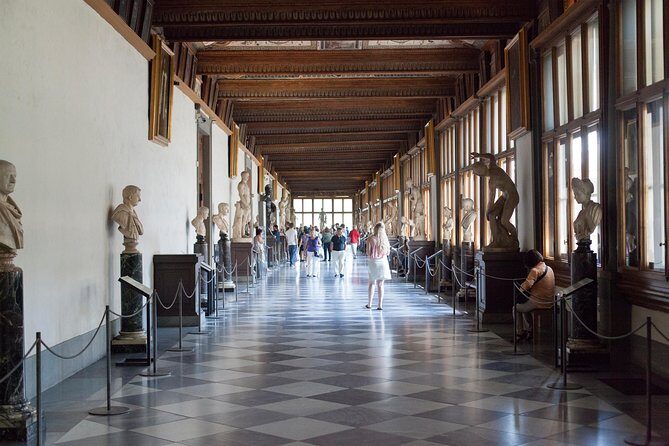
- Inside the Uffizi: how the highlights route works
- The masterpieces you’ll connect with fast
- Giotto to the Renaissance: why the changes matter
- Botticelli: myth that isn’t just pretty pictures
- Michelangelo and the gravity of great painting
- The masterclass feel: what you gain beyond the usual tour
- Mid-tour break and the audio reality check
- Logistics that can make or break your morning
- Security check and lines
- Bags and liquids
- Pets
- Small group cap
- Late arrivals and meeting-point stress
- Price and value: how $82 stacks up in Florence
- Who should book this Uffizi Masterclass
- Should you book? My call
- FAQ
- Is the Uffizi Masterclass tour in English?
- How long is the Uffizi Masterclass experience?
- What’s included with the tour price?
- Do I need ID or passport for entry?
- Where is the meeting point?
- Are big bags and liquids allowed inside?
- Can I stay in the museum after the tour ends?
- Are there pets allowed on the tours?
Key takeaways before you go
- You get reserved museum entry plus an art expert: tickets and guidance are bundled, so you’re not sorting logistics mid-queue.
- It’s built for highlights, not the whole museum: expect a smart “greatest hits” route through the Uffizi.
- Meeting point accuracy matters: there’s a listed start spot, plus a meeting-point update for tours starting in March 2026.
- Security check can slow entry: plan for some waiting even with a reservation.
- A small group can mean more attention: the tour caps at 25 people for this activity.
- The mid-tour break is light: a coffee and pastry/roll style pause shows up often, but it’s not a full meal.
Uffizi Masterclass: what you’re really buying in 2.5 hours
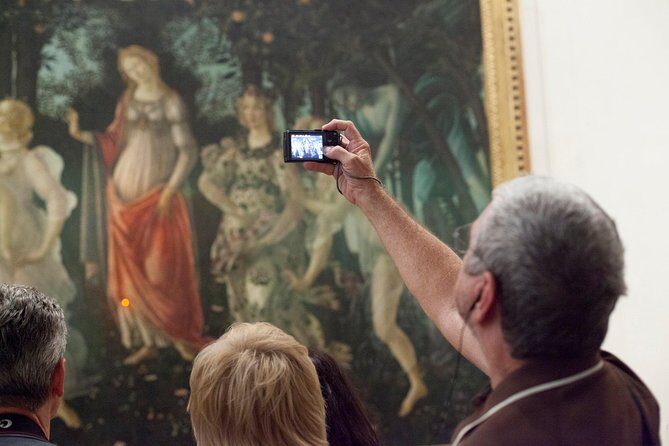
You’re paying for three things at once: entry to the Uffizi Gallery, a guided highlights route, and an art expert who can connect details across different periods. At about 2 hours 30 minutes total, it’s long enough to slow you down in the right spots, but short enough to keep you from burning out before you reach the paintings you actually came for.
This isn’t a “sit and listen for two hours” tour. The structure is more like: get oriented fast, move through the museum in a practical order, and then spend your attention on works that are strong anchors for understanding the whole collection. You’ll hear the story behind iconic pieces by artists tied to Florence’s rise, including Leonardo da Vinci, Botticelli, and Giotto, plus other Italian masters.
Also, this is offered in English (with the guide described as English or Spanish speaking, depending on your session). That matters because the Uffizi can feel like a blur if you only have a translation app and a museum map.
Other Renaissance art tours at the Uffizi in Florence


Where the tour starts (and why being on time is the whole game)
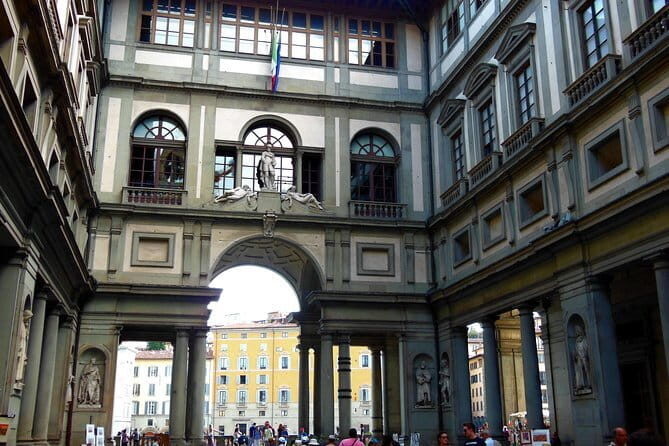
The listed start point is Uffizi Galleries, Piazzale degli Uffizi, 6, 50122 Firenze. The end point is the same location—so you’re not being shuttled to another neighborhood afterward. Still, there’s an important update: starting March 2026, all tours move to Florence – Via de’ Lamberti, 1 (look for the Towns of Italy guide in front of civic number 1).
Here’s what I’d treat as non-negotiable:
- Arrive 15 minutes early.
- Reach the meeting point independently (no hotel pickup).
- Bring the right ID: you’ll need a valid passport or ID that matches the name used at booking.
The Uffizi has compulsory security screening, and delays can happen. Even when you have a reservation, you’re still moving through a system. The best way to keep that from ruining your morning is being early enough that you’re not rushing at the last second.
And one more thing: the tour description mentions luggage restrictions—big bags, umbrellas, and liquid bottles aren’t allowed inside the museums. If you show up carrying a bulky backpack, you can lose time right when you least want to.
Inside the Uffizi: how the highlights route works
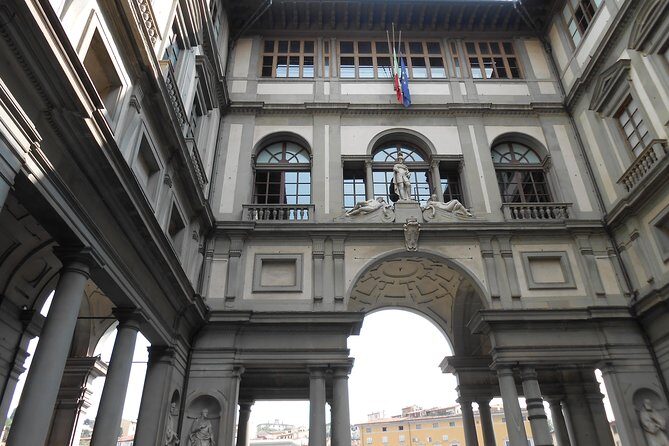
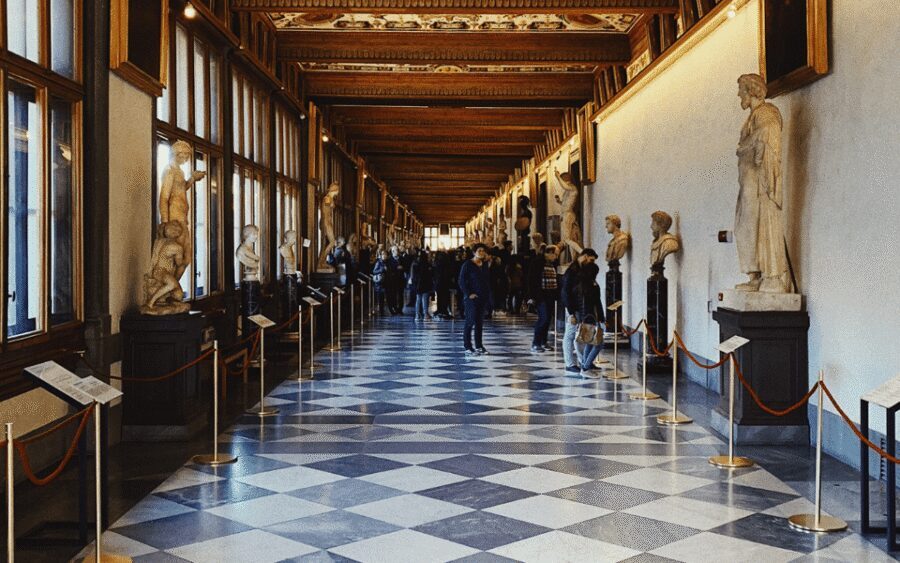
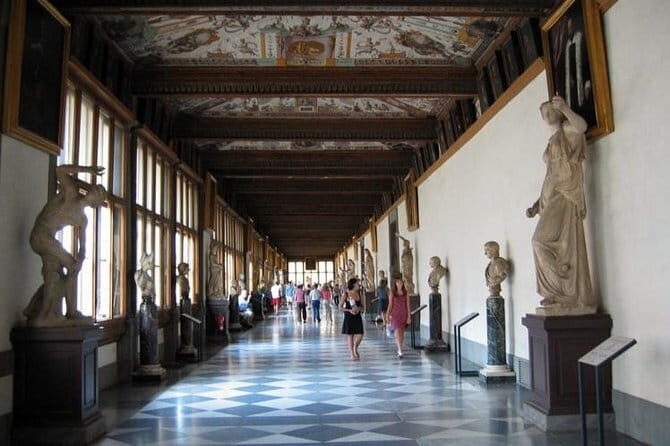
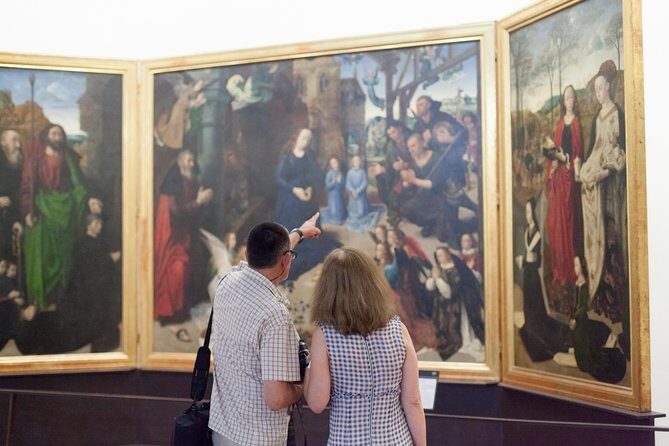
The core experience is a highlights-focused walk through the Uffizi. The itinerary lists a main stop at the Uffizi Gallery (about 2 hours on that guided portion, with tickets included), and the tour is designed around the idea that you can’t realistically see everything during a single visit.
So the guide does something useful: selects the works that help you build a mental map.
- You start by getting oriented to the gallery’s big visual and historical themes.
- Then you move through key paintings where style, technique, and symbolism make sense only when you know the “why.”
This is especially valuable in a museum like the Uffizi, where many masterpieces are tightly packed and visually similar at first glance. When someone explains what to look for—gesture, lighting, workshop style, or how myth and politics got mixed—your time stops feeling random.
One practical bonus: once the guided portion ends, you can stay inside the museum and keep visiting on your own. That’s huge. You can treat the tour as the warm-up, then return to your favorites without guessing where everything is.
The masterpieces you’ll connect with fast
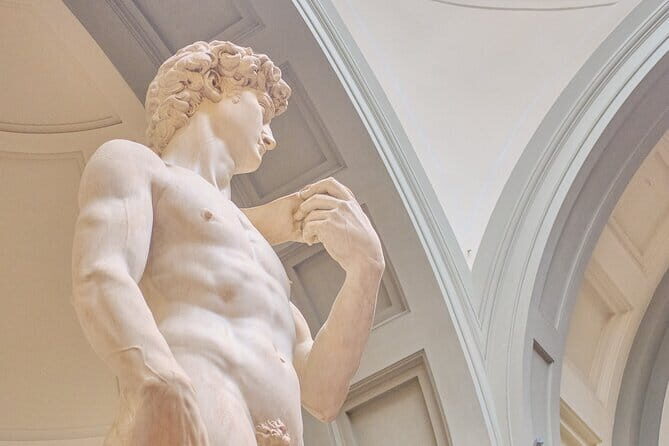
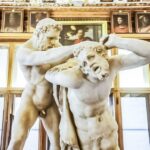
Even if you’ve seen photos of famous works, it’s a different experience to stand in the room and get the story stitched to what’s in front of you. The tour is built to highlight major Florentine-and-Italian names—Giotto, Michelangelo, Botticelli, and others—so you leave with clearer connections, not just a list of titles.
Here’s the kind of payoff I’d expect from a masterclass-style highlights route:
Giotto to the Renaissance: why the changes matter
Giotto’s presence in the itinerary isn’t random. When you’re guided to him early on, you’re being shown a turning point in how figures and space start to feel more believable. That helps you later when Renaissance artists make bigger leaps in realism, drama, and perspective.


Botticelli: myth that isn’t just pretty pictures
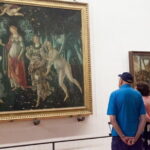
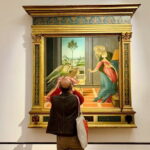
Botticelli’s works are often described as iconic, but they’re also easy to misunderstand if you only treat them as “beautiful.” With a guide, you get the story behind the images—what’s going on, what symbols mean, and why these works became part of Florence’s identity.
Michelangelo and the gravity of great painting
Michelangelo’s name alone draws people in, but the stronger value comes when you understand what makes the painting’s design work: composition, expressive forms, and how artists built meaning through craft. It’s the kind of explanation that makes your eyes stop skimming and start reading the painting.
And yes, the experience is designed to include Leonardo da Vinci too. Even when you already know Leonardo as a “big-name genius,” it’s often the details—what the painting is trying to show—where the guide’s commentary makes you see something new.
The masterclass feel: what you gain beyond the usual tour
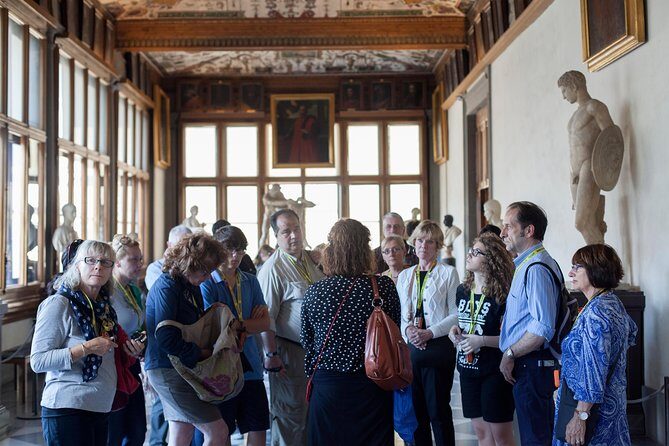
A highlights tour can still feel like a speed-walk. This one pushes a bit more into interpretation, which is why it earns high marks. The best sessions sound like they balance two things: clear art-history context and a practical pace.
The masterclass angle is useful if you want to do one of these:
- You’re short on time and want to prioritize the Uffizi’s most important rooms.
- You’ve visited museums before but you want a better framework for understanding what you’re seeing.
- You like asking questions and getting explanations that go beyond dates and titles.
Guide names that appear in past experiences include Marta, Fredi, Favio, Laura, Frederika, Federica, and Francesca Messina. While your exact guide depends on the session, the recurring theme in those stories is that the explanation gets the art to “click” and makes small details matter.
Mid-tour break and the audio reality check
Several past experiences mention a midpoint break that’s light: coffee plus a pastry or roll. One person noted the description can sound more like a full breakfast, but in practice it’s more of a snack pause than a full sit-down meal.
If you’re the type who needs fuel early, plan like this:
- Eat something before you go if you can.
- Treat the mid-tour coffee/pastry as a bonus, not your main breakfast.
Audio can also be part of the setup. There was at least one report of headphones not working well, and another mention that sound quality made it easier to understand the guide by standing close. If your session uses headsets, check yours quickly at the start so you’re not stuck missing half the story later.
Logistics that can make or break your morning
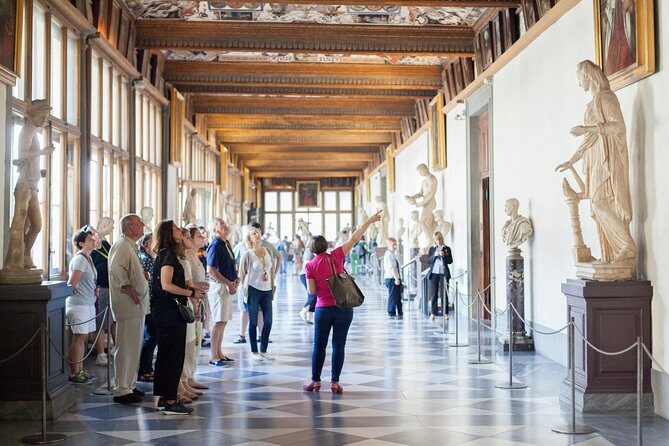
This is the part I wish more people talked about, because the Uffizi experience is still a real-world museum visit with real-world constraints.
Security check and lines
Even with reservations, there’s a compulsory security check and it can slow entry. One person reported waiting a full hour to get in. That doesn’t mean it will happen to you, but it does mean you shouldn’t schedule anything tight right after the tour ends.
Bags and liquids
Big bags, umbrellas, and liquids aren’t allowed inside. If you’re traveling with anything bulky, decide how you’ll carry only what you need. Less carry = fewer delays.
Pets
Pets aren’t allowed on the tours (and most likely not inside the museum either).
Small group cap
This activity has a maximum of 25 travelers. That usually helps with moving through rooms and keeping the group together, especially in a museum that doesn’t always make space for slow shuffling.
Late arrivals and meeting-point stress
The instructions are clear: arrive 15 minutes early, and reach the meeting point independently. A late start can mean the group moves on. I’d rather you be early than brave about it.
If you do the combo options (Uffizi plus Duomo, or Uffizi plus a Florence walking tour), the first meeting point is always Via de’ Lamberti 1, and there’s a second meeting point later. The key is to follow the plan for your specific combo, not what you assume makes sense.
Price and value: how $82 stacks up in Florence
The listed price is $82.06 per person and the museum ticket is stated as €29.00 per person. The value equation looks like this: the museum entry is only part of what you’re paying for. You’re also paying for a reserved slot, an expert guide, and the time saved by not figuring out what to do at each turn.
If you’re traveling during a busy season or you’re only going once, it often makes sense to pay for the structure. The Uffizi is too big to wander “loosely” unless you’re happy spending hours just orienting.
Where value can feel weaker is if you arrive in a hurry and end up spending time in security lines, or if you go in expecting a guaranteed skip-the-line experience. The Uffizi is famous for queues, and even well-run tours can’t erase that reality.
For me, this tour works best when you treat it as a smart introduction, then you let the museum finish the job after the guide wraps up.
Who should book this Uffizi Masterclass
This is a strong fit if:
- You want the Uffizi’s highlights in a manageable time window.
- You’re interested in how art and Florentine history connect.
- You like learning details that you can’t easily spot on your own.
It might be less ideal if:
- You’re expecting a strict early-entry shortcut that wipes out all waiting.
- You need a slow, fully flexible pace through every room.
- You’re bringing items that won’t clear the museum’s restrictions (bags, liquids).
Most people can participate, and the small group size helps. If you’re traveling with kids, the note says children must be accompanied by an adult.
Should you book? My call
Book it if you want to leave the Uffizi with real understanding, not just photos of famous paintings. The masterclass-style commentary and the highlights focus are exactly what make a short Florence visit feel meaningful.
Skip it or adjust your expectations if you’re planning a tight schedule right after the tour, or if you strongly dislike security-line uncertainty. In that case, arrive early, pack light, and don’t assume there’s a magic skip.
If you do book, do this: check whether your session starts at the Uffizi location or the Via de’ Lamberti meeting point (especially if it’s March 2026 or later), and show up early enough to stay calm when security adds time.
FAQ
Is the Uffizi Masterclass tour in English?
Yes. The tour is offered in English, and the guide is described as English or Spanish speaking depending on the session.
How long is the Uffizi Masterclass experience?
It’s about 2 hours 30 minutes total (the guided highlights portion is listed at around 2 hours).
What’s included with the tour price?
You get an English or Spanish speaking tour guide, Uffizi Gallery tickets and reservation, and personalized attention. The museum admission ticket is included as part of the tour.
Do I need ID or passport for entry?
Yes. You must present a valid passport or ID document that matches the name used when booking.
Where is the meeting point?
The listed start meeting point is Uffizi Galleries, Piazzale degli Uffizi, 6. There’s also an update for tours starting from March 2026: Via de’ Lamberti, 1, with the guide in front of civic number 1.
Are big bags and liquids allowed inside?
No. Big bags, umbrellas, and liquid bottles aren’t allowed inside the museums.
Can I stay in the museum after the tour ends?
Yes. After the tour is finished, you can remain inside the museum and keep visiting on your own.
Are there pets allowed on the tours?
No. Pets are not allowed on the tours.