REVIEW · FLORENCE
Michelangelo’s David, Accademia & Uffizi Small Group Tour
Book on Viator →Operated by City Wonders Ltd · Bookable on Viator
Florence has a way of hitting hard. This small group tour bundles Michelangelo’s David at the Galleria dell’Accademia with reserved Uffizi entry, then adds an easy city-walk option so you’re not just museum hopping. I like that the guides focus on what to actually notice, from how marble can look almost soft to the big artistic ideas behind the Renaissance.
I also like the pacing: you’re not trapped indoors all day. With the Accademia-to-Uffizi format, you get a break for lunch on your own, typically about 30 minutes to 1.5 hours depending on your departure time. One possible drawback to plan for: even with reserved access, you may still run into occasional Uffizi check-in or line slowdowns that can steal some of your guided time.
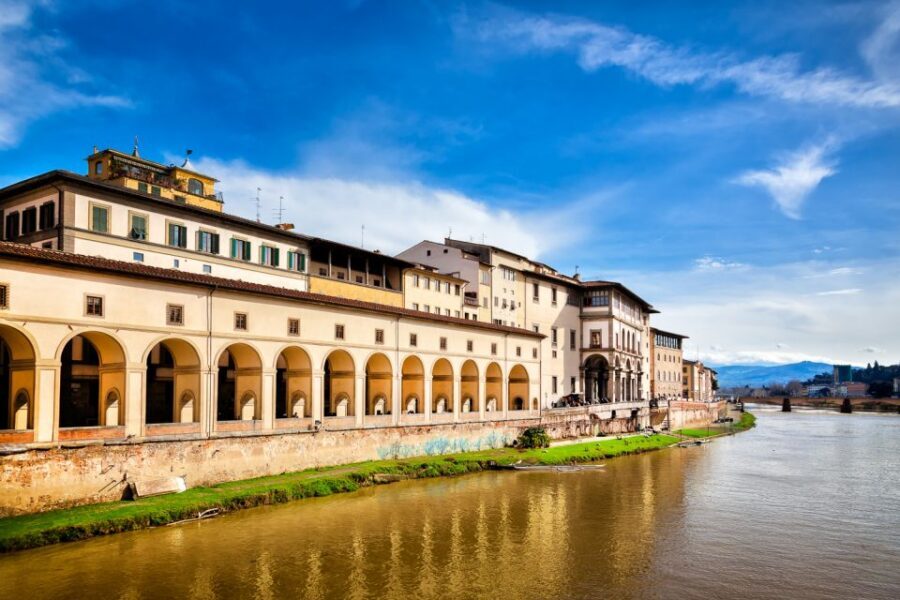
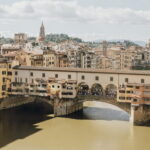
If you choose the walking option, you’ll thread through key outdoor Florence stops in a way that helps it all make sense. Expect views and stories around Ponte Vecchio, Palazzo Vecchio’s area, the Duomo from the outside, and Piazza della Signoria, including the spot where Michelangelo’s David once stood.
In This Review
- Key things to know before you go
- David at Galleria dell’Accademia: why the guide’s angles matter
- Uffizi Gallery with reserved entry: how to get more than name-dropping
- Optional city walk: Ponte Vecchio, Il Porcellino, and the Duomo from the outside
- How the day flows (and where free time usually appears)
- Small group size: the real payoff is better questions
- Guide energy: how names give clues to the style you might get
- Price and value: what $47 buys in Florence reality
- Who should book this tour (and who should skip it)
- Should you book the Michelangelo’s David, Accademia & Uffizi Small Group Tour?
Key things to know before you go
- Accademia timed entry to see David with a guide and manageable crowds
- Uffizi reserved access when you upgrade, with a guided walk through key works
- Max 19 people so you can ask questions without shouting
- Break between museums for lunch on your own (often 30 minutes to 1.5 hours)
- Optional Florence walking tour built around the outdoor sights most people miss
- Your passport/ID name must match for Uffizi entry, no exceptions
David at Galleria dell’Accademia: why the guide’s angles matter
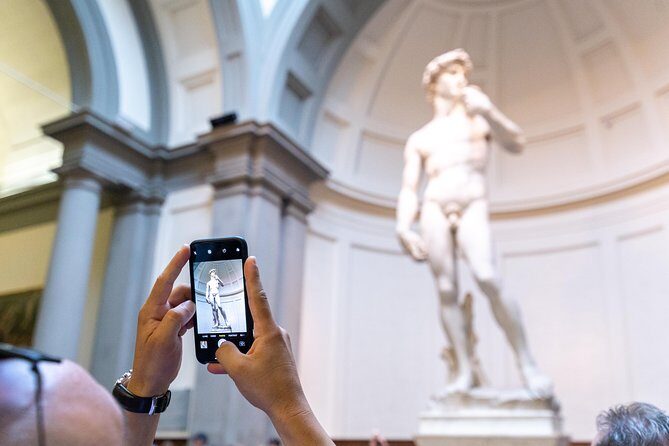
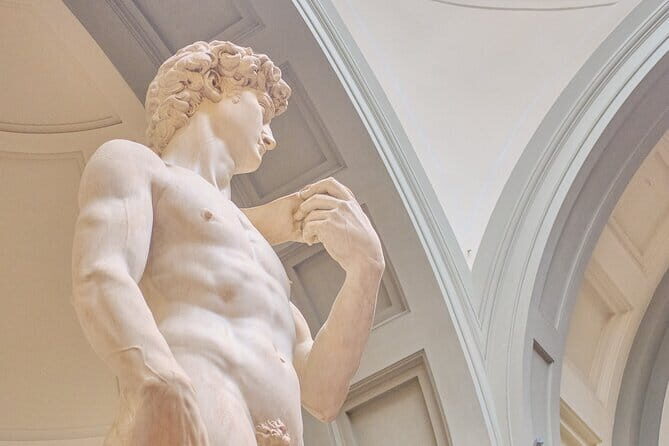
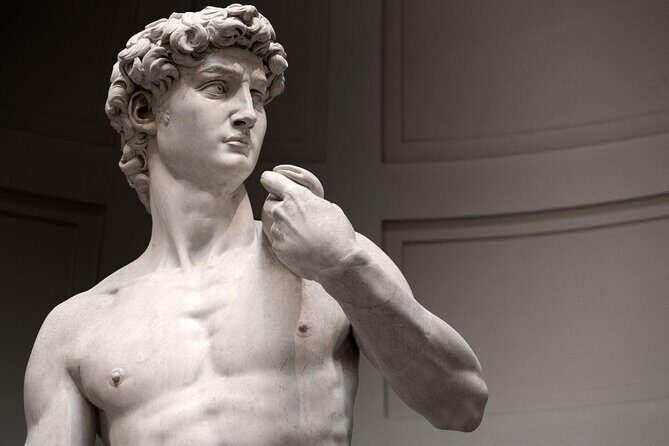
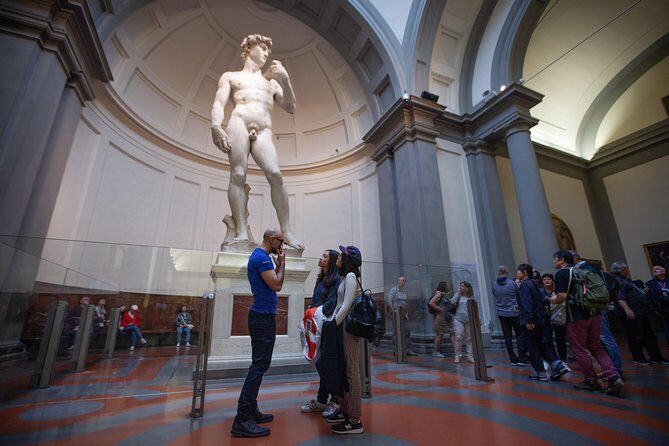
Your first museum stop is the Galleria dell’Accademia, home of Michelangelo’s David. You get timed entry plus a guided visit focused on the statue’s details and why this piece changed how people looked at sculpture in Florence and beyond. Plan for about an hour here, which is just enough time to slow down and see the work from multiple sides.
What I like about how this experience is set up is simple: you’re not just staring at one famous object from one spot. The guide helps you examine David from different angles and explains how Michelangelo created the illusion that marble could look almost lifelike. You’ll also get the story of how David fits into Renaissance art and why the sculpture became such a cultural symbol for Florence.
Practical tip: if you’re the type who likes photos, use the guide’s pacing to your advantage. Get your wide shots early, then come back for the face and hands. The statue is famous for a reason, but the “why” behind the craftsmanship is what makes it stick.
Other small-group Uffizi tours in Florence

Uffizi Gallery with reserved entry: how to get more than name-dropping
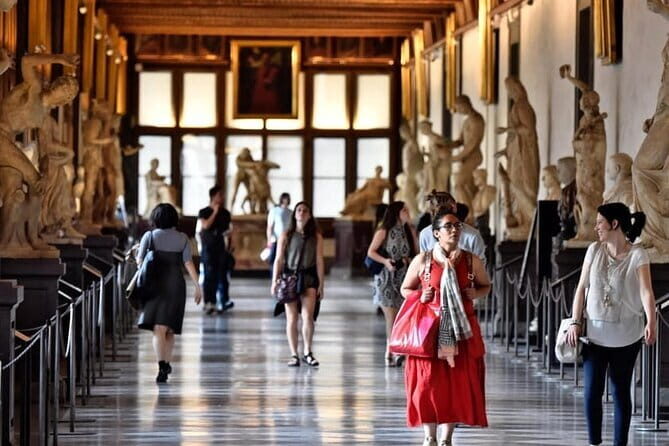
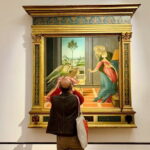
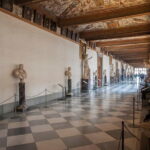
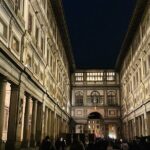
If you upgrade, the second big event is the Uffizi Gallery with reserved entry and a guided tour. The visit runs about an hour and a half, and the goal is to connect the dots across the Renaissance masters you came for. You’ll see works by artists such as Giotto, Leonardo da Vinci, Botticelli, Perugino, Michelangelo, Titian, and Vasari, among others.
Here’s the value of a guided Uffizi visit: the Uffizi is huge, and it’s easy to get lost in a sea of paintings. With a guide steering you toward the most important pieces, you spend your time on works that help you understand the period’s themes—religion, power, myth, and the Medici influence that shaped what got displayed and why.
You’ll also get stories and explanations tied to hidden details and artistic techniques, not just dates and titles. That matters because the Uffizi isn’t only about seeing famous paintings. It’s about noticing how artists solved problems: light, expression, movement, and symbolism. When your guide has good energy (and many do), the gallery starts to feel like a conversation rather than a checklist.
Timing reality check: reserved entry reduces guesswork, but it doesn’t magically erase all waiting. One downside that comes up sometimes is long lines or slow check-in that cuts into the guided time once you’re at the door. Still, compared with buying tickets on your own and scrambling for entry, this format is built to make your day more predictable.
Optional city walk: Ponte Vecchio, Il Porcellino, and the Duomo from the outside
Not everyone wants to spend the whole day in galleries. The walking portion is the smart add-on if you want Florence’s landmarks to give context to what you’re seeing inside museums.
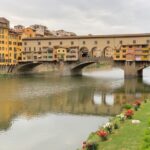
On this outdoor route, you’ll pass the historic center highlights and hit several specific photo-and-story stops. Ponte Vecchio is part of it, and so is the leather market area. You’ll also stop for Il Porcellino—the bronze boar people rub for luck—and the guide will weave in what that symbol means locally and why it’s such a stubborn part of Florence’s everyday tourist lore.
Then you move toward Piazza della Signoria, where you’ll learn the significance of the space and see the famous sculptures that crowd the square. This stop matters because you’ll hear about the place where Michelangelo’s David once stood. Even though you’re seeing the real David indoors at the Accademia, this outdoor connection helps the statue feel like a living part of the city, not just a museum artifact.
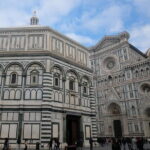
The Duomo stop is from the outside and focuses on the iconic red dome and the challenges architect Filippo Brunelleschi faced to make it possible. Entrance to the cathedral itself isn’t included, so if you want to go inside, you’ll need separate plans and time. The walk is about giving you the right view and the right questions to ask.
How the day flows (and where free time usually appears)
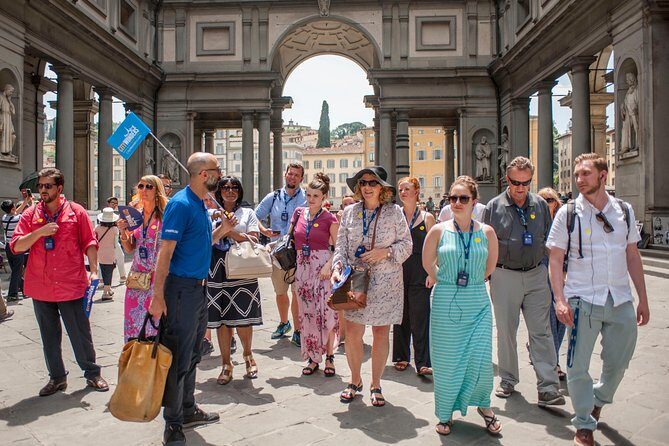
This tour is designed around two museum blocks: Accademia first, then Uffizi. If your schedule includes both, there’s usually free time between the two visits—often 30 minutes to 1.5 hours depending on the departure time you book.
That break is the difference between a day that feels workable and a day that feels like sprinting. You can step away for lunch without packing a full meal schedule into every minute. Just keep an eye on your meeting time for the second part. The tour format can include a separate regrouping point, and the key is not to assume you’ll just drift back together.
If you opt for the walking tour rather than the Uffizi upgrade, your day stays shorter and more flexible. You still get the outdoor Florence context, then you’re done after the Accademia experience.
Small group size: the real payoff is better questions

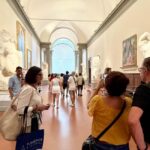
This is a maximum 19-person tour. That number sounds small on paper, but it matters when you’re inside major attractions where people instinctively bunch up.
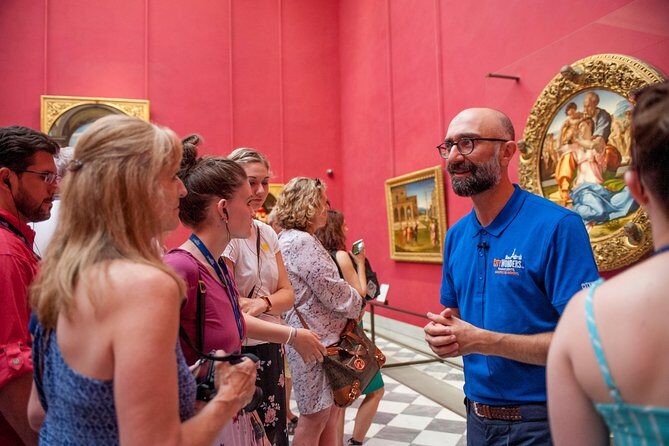
In a group this size, it’s easier to hear the guide without leaning and craning your neck. You can also ask follow-ups when something clicks—like why a sculptor made a specific choice with expression, anatomy, or technique. Many guides are strong at keeping the pace moving while still answering questions, and you’ll feel that difference quickly in the Accademia line and once you’re standing close to the statue.
You’ll still share space with other visitors, of course. But the group size keeps the experience from turning into a “shuffle forward, look fast, repeat” situation.
Other Uffizi + Accademia (David) tours in Florence

Guide energy: how names give clues to the style you might get
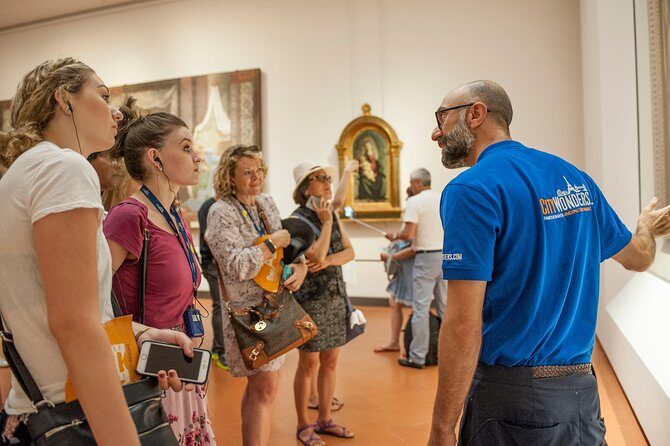
One thing I’d bet on for this type of tour: the guide can make the art feel like a story you can follow.
Some guides known in this format for strong presentation include Claudia (often praised for keeping the tone fun and pointing out standout details), Angelo (called out for engagement), Giovanna (liked for deep interpretations, including Botticelli), Paulina (recognized for upbeat, clear explanations), and Matthew (highlighted for contagious enthusiasm at the Uffizi). People also mention Annette, Ángela, Patricia, Sarah, Chiara, and Stefanie, each with a focus on making the art make sense rather than just reciting facts.
You don’t get to choose the guide in advance from the information here, so your best move is to come ready to ask questions. If you ask one good question—about technique, symbolism, or why Florence mattered—you’ll likely get more out of the hour than you expected.
Price and value: what $47 buys in Florence reality
At about $47.06 per person for the tour format, you’re paying for three things that normally cost time and effort in Florence: guided interpretation, reserved/timed entry handling, and museum time that doesn’t depend on your planning skills.
Here’s the value breakdown that matters:
- Accademia entry + guided time for David is included in the base experience.
- If you upgrade, Uffizi entry is included (noted as around €32 for admission) and you also get reserved entry plus a guided tour.
- The walking portion (when selected) gives you outdoor context—Ponte Vecchio, Il Porcellino, Piazza della Signoria, and Duomo from the outside—without forcing you to pay separately for sights you can see anyway.
So the cost isn’t only “paying for tickets.” It’s paying to reduce friction: lines, ticket anxiety, and the hassle of finding what to look at first.
Is it perfect value every time? No. Some people feel the price is high for what they got, especially if their day got cut by waiting or if the guide’s style didn’t match their taste. But if you’re short on time or you don’t want to build an itinerary from scratch, the structure is often worth it.
Who should book this tour (and who should skip it)
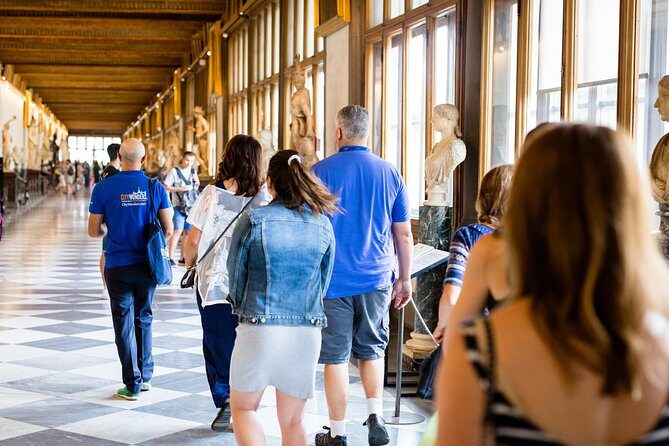
This tour is a strong fit if you:
- want to see David and major Uffizi highlights without getting overwhelmed
- prefer a guide who helps you understand what you’re looking at
- like traveling in small groups (max 19) and asking questions on the spot
- have only part of a day and need a plan that doesn’t fall apart
You might want to skip or rethink if you:
- hate being tied to set meeting times, because the format includes a handoff between Accademia and Uffizi
- are extremely sensitive to waiting, since occasional slow entry or check-in friction can happen
- would rather move completely at your own pace and self-tour with a map and guidebook
Should you book the Michelangelo’s David, Accademia & Uffizi Small Group Tour?
Yes, if you want Florence’s two biggest art hits packed into a day that stays organized. The main reason I’d recommend it is that it gives you both the star work—Michelangelo’s David—and the Uffizi context around how the Renaissance shaped taste, power, and patronage.
If you book, set yourself up to get the most from it: arrive early enough to find your meeting point without stress, bring a passport/ID that matches your booking name for Uffizi entry, and plan to treat the free time as lunch time, not as “maybe we’ll see something later” time. That mindset keeps the day from feeling rushed.
If you’re the kind of traveler who loves art once someone gives you the right lens, this tour is built for you.