REVIEW · FLORENCE
Artful Eight: 8 Wonders of Florence in Accademia, Center & Uffizi
Book on Viator →Operated by Floven Tours · Bookable on Viator
Eight masterpieces, one tight afternoon. This 3-hour Florence tour links the Accademia Gallery and the Uffizi with priority access, so you get to the art fast instead of eating up your day in lines. I love how the schedule gives you a focused Michelangelo start, then pivots to the Uffizi’s greatest hits, including Michelangelo’s David—all without making you choose between museums.
One thing to know up front: the Duomo and Piazza della Signoria parts are handled with outdoor, external context, and those stops don’t include admission tickets. If you want to go inside buildings like the Baptistery or Cathedral, you’ll likely need a separate plan for that.
In This Review
- Key Highlights You Should Care About
- What This 3-Hour Florence Combo Really Means
- Accademia Gallery: Michelangelo’s Life, the Prisons, and David
- Duomo Area: External Explanations While You Walk
- Piazza della Signoria: Florence’s Outdoor Museum and Palazzo Vecchio
- Uffizi Gallery: Botticelli First, Then Leonardo, Then Michelangelo
- Guide Style, Hearing Everything, and Why Small Groups Matter
- Price and Value for Priority Entry in Florence
- Practical Tips to Make This Afternoon Go Smoothly
- Who This Tour Fits Best
- Should You Book Artful Eight: 8 Wonders of Florence?
- FAQ
- How long is the tour?
- What time does the tour start, and where does it meet?
- Where does the tour end?
- Is this a mobile ticket tour?
- Do I need separate tickets for the museums?
- How big is the group?
- FAQ
- Can I cancel for a refund?
- How many masterpieces are included?
Key Highlights You Should Care About
- Priority entry across two major museums helps you spend your time looking, not waiting
- Michelangelo’s signature subjects show up in both Accademia (David, Prisons, non-finito) and later in the Uffizi
- A tight, curated art path through Botticelli and Leonardo’s best-known works
- Outdoor Florence context en route: Duomo area + Piazza della Signoria with Palazzo Vecchio set-ups
- Max 9 people means it’s easier to hear your guide and ask questions
What This 3-Hour Florence Combo Really Means
This tour is built for one goal: letting you see a high concentration of Renaissance art in a short afternoon. You’re not going to get lost in the weeds or treat this like a slow museum day. You’re here for the fastest route to Florence’s biggest visual arguments—Michelangelo’s sculpture power, Botticelli’s symbolic elegance, and Leonardo’s compositional intelligence.
The value is strongest if you hate lines and you like guidance. With priority access, you’re trading your time for structure: your guide keeps the story moving and points out what to look for before you’re standing in front of the masterpiece, stuck wondering where to start. It’s also priced as a “do it right once” option: you’re paying for museum admission that’s included on the museum portions and for the time-saving priority approach.
A practical detail that matters: this is capped at 9 travelers and runs about 3 hours. That smaller group feel can be a big deal in Florence, where large crowds can turn even famous sights into background noise.
Other Uffizi + Accademia (David) tours in Florence
Accademia Gallery: Michelangelo’s Life, the Prisons, and David
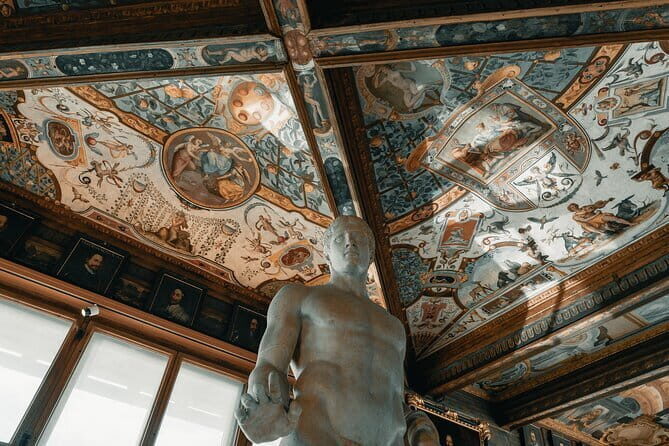
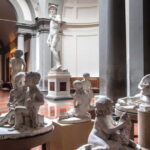
Accademia is where the story of Michelangelo feels most logical. You start with an introduction to the gallery and Michelangelo’s life, then you move into the room dedicated to him. This matters because the “why” lands before the “wow.”
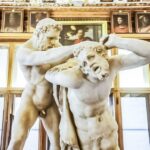
Here’s what you’re focusing on: the Prisons and Michelangelo’s non-finito technique—works left unfinished in a way that changes how you read stone. Instead of seeing failure to complete, the concept pushes you to notice motion, emergence, and the suggestion of forms trapped within the material. Even if you aren’t a trained art critic, this kind of framing helps you look differently, not just faster.
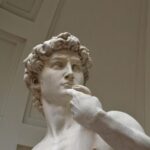
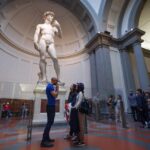
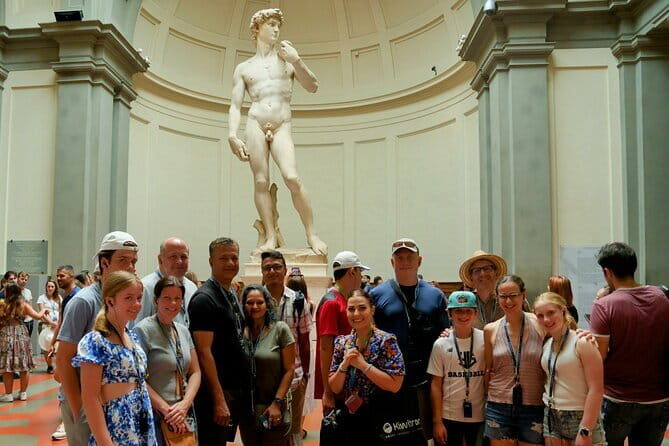
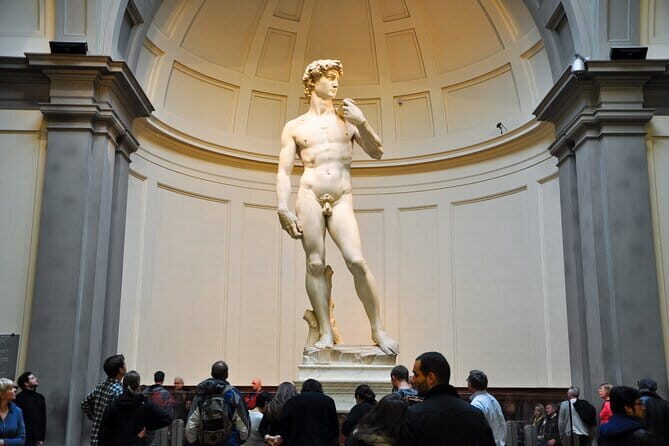
Then you jump to the famous centerpiece: Michelangelo’s David. The time is short, so you’ll want to use it efficiently. David is one of those sculptures where the more you know what to look for, the more it rewards you. With a guide steering you, you can scan the face, the stance, and the overall intention instead of spending most of your minutes simply trying to locate the best angle through the crowd.
One nice point from the feedback: the guide’s explanations tend to connect meaning with form, including architectural and visual logic, not just dates. That turns a “see it” stop into a “understand it” stop—especially helpful if you’re traveling with a teen or two and you want the learning to stick.
Duomo Area: External Explanations While You Walk
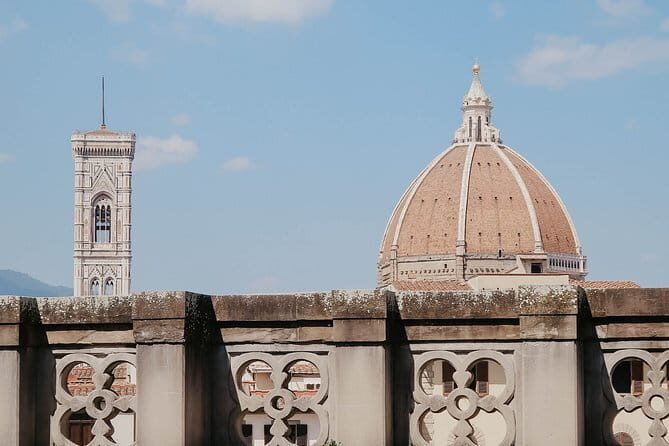
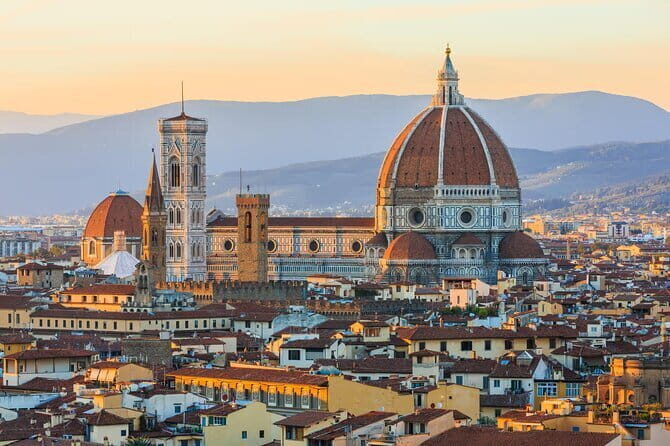
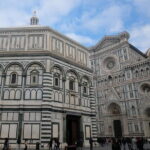
Between Accademia and the Uffizi, you take a walk that includes an external look at the Duomo complex. You’ll get explanation of Santa Maria del Fiore and the Baptistery as part of the route, but there’s no admission ticket included for this part.
This is both a plus and a compromise.
It’s a plus because you don’t burn time zigzagging around the city on your own trying to figure out what you’re seeing. Even standing outside, you start building the mental map: what the complex is, why it matters, and what features to notice.
It’s a compromise because if you want the interiors—where so much of the drama lives—you’ll need to schedule that separately. This tour is designed to keep the afternoon moving toward the museums, and it does. So think of the Duomo stop as context that sets up the next round of masterpieces, not as a full cathedral experience.
Piazza della Signoria: Florence’s Outdoor Museum and Palazzo Vecchio
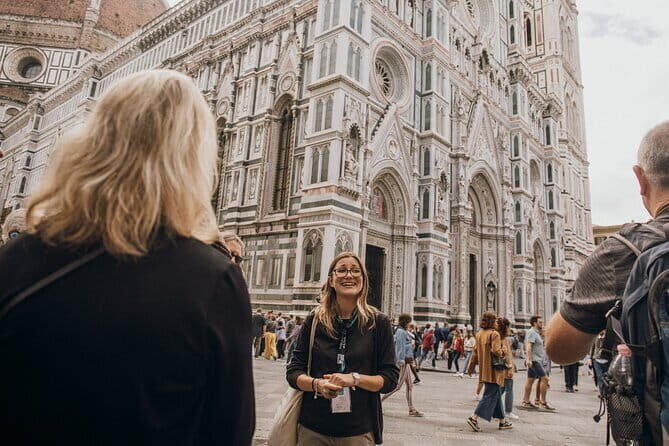
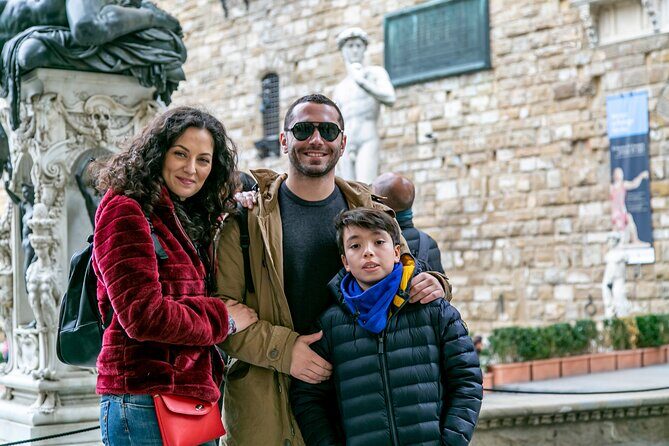
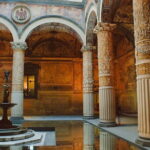
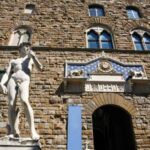
After the walking transfer, you reach Piazza della Signoria, which your guide treats as an open-air introduction to the city’s artistic power. The big idea here is that this square isn’t just a pretty backdrop—it’s a stage where Florentine identity shows up in public art and prominent buildings.
You also get an explanation of Palazzo Vecchio, which helps you connect the political weight of the place to what surrounds it. Even if you’ve seen photos before, having a simple guide-led framework tends to make your eyes land on the right details. And since the tour includes a short break before you head into the final museum, this stop also functions as a small reset point.
The main drawback is the same theme as the Duomo: it’s mostly about seeing and being oriented from the outside. If you’re the kind of traveler who wants to study facades for an hour, you might find the pacing brief. But if you’d rather get back into museum air-conditioning and art galleries, it fits perfectly.
Uffizi Gallery: Botticelli First, Then Leonardo, Then Michelangelo
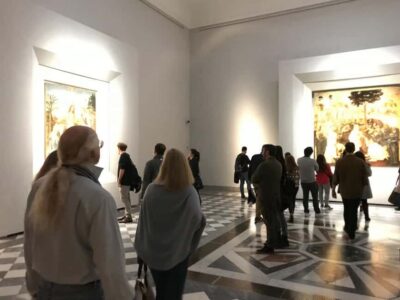
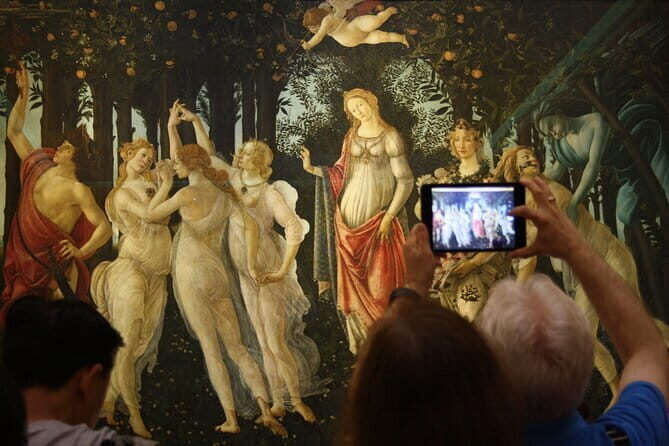
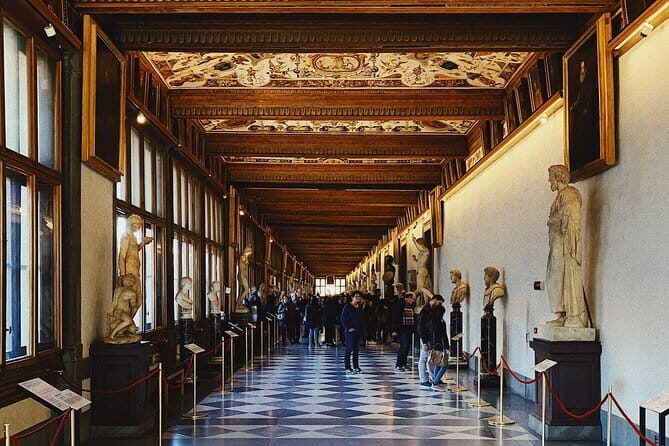
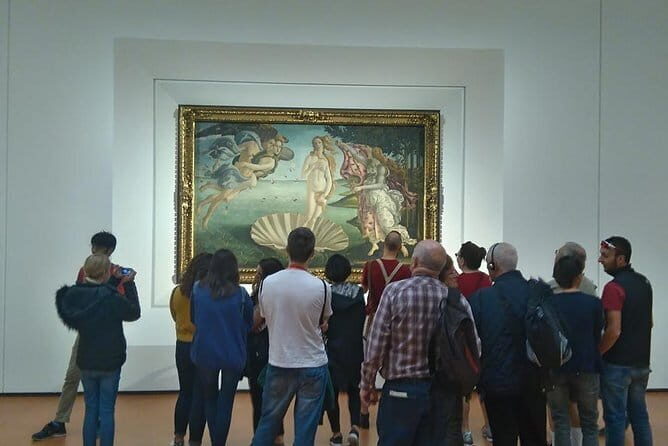
The heart of the tour is the Uffizi, and it moves like a highlight reel with logic. You begin with Botticelli’s La Primavera. This is one of those paintings people know by name, but most people don’t know where to look first. With a guide framing the symbolism and composition, you get more out of those 20 minutes than you would standing alone.
Next comes Botticelli’s Venus, another famous image where the visual impact is obvious, but the meaning lands better when someone points out how the work is built. The guide’s job here is to translate the big reputation into specifics you can actually notice: balance, pose, and how the painting’s grace works on your eye.
Then you shift gears to Leonardo da Vinci’s Annunciation. Leonardo can feel technical and distant if you don’t have a pointer. Here, you get help spotting the compositional harmony and the kind of delicate detail that makes this painting famous for the long term. This is a great moment in the tour because it shows how Renaissance art isn’t one style—it’s craft, geometry, symbolism, and observation all at once.
Finally, you end with Michelangelo’s Tondo Doni, which gives a fresh flavor of Michelangelo beyond the statue world. A circular panel changes how you experience intensity and dynamism. You don’t get the same “walk around it” effect as sculpture, but you do get an unusual sense of movement and energy inside the frame. Ending here is a strong choice. It feels like a closing act that reminds you Florence’s greatest artists were constantly experimenting.
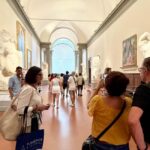
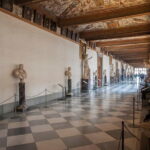
You also finish inside the Uffizi, and you can keep exploring on your own afterward. That matters because the tour time is limited. The guided portion gives you the strongest entry points, and then you decide whether you want to go deeper into the rest of the collection.
Guide Style, Hearing Everything, and Why Small Groups Matter
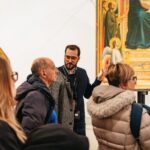
A big part of why this tour gets strong marks is the way the guide explains what you’re looking at. One standout theme from feedback: the explanations focus on architectural styles and the meaning behind paintings, and the tone works for students, including young teens. That’s not a small detail. Museums can be stressful if everyone in your group wants a different pace. When the guide can speak in clear, structured language, the whole group tends to stay engaged.
The small size helps too. With a maximum of 9 travelers, it’s easier to keep track of where you are in the room. It also makes it more likely you’ll hear the guide instead of losing the story to distance and echo.
There was also at least one uncomfortable experience mentioned: a day-of cancellation related to an unexpected strike affecting the Uffizi. The message attached to that situation also included notes about technical delays in receiving a refund. That’s not something you should expect, but it’s a reminder that museum operations can sometimes get disrupted in ways you can’t control. If you’re booking close to your trip dates, it’s smart to stay flexible when possible.
Price and Value for Priority Entry in Florence
At $119.30 per person, you’re paying for three things at once: priority access, guided interpretation, and included admissions on the museum-focused parts. In Florence, those can be worth real money because time lost in long lines isn’t just annoying—it can erase your whole plan when you’ve got a packed itinerary.
You’ll get admission included for the museum stops that focus on Accademia and the Uffizi works, while the Duomo/Piazza segments are explanation-based and don’t include tickets. That split is common for “greatest hits” tours: it keeps the cost reasonable while still giving you meaningful context outside.
Is it expensive? It’s not bargain-basement pricing, but the structure justifies it if you care about efficiency. If you’re the kind of traveler who happily buys tickets and waits in line, you could do it cheaper on your own. But if you want to maximize what you see in a limited window—especially with a 2:00 pm start—priority access plus interpretation often feels like the better trade.
Also consider this: the tour is booked far in advance on average. That’s a clue that demand is strong and schedules can sell out. If Florence is your one big art-heavy trip, booking early can protect your afternoon.
Practical Tips to Make This Afternoon Go Smoothly
Since you’re covering major areas back-to-back, comfort matters. Wear shoes you can walk in for the transfers between Accademia and the Uffizi area. You’re not doing a marathon, but you are moving through historic streets and museum routes.
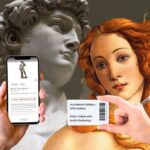
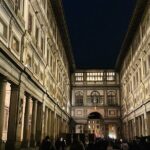
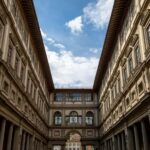
The meeting point is Via Ricasoli, 113 (50121 Firenze), and you start at 2:00 pm. You’ll end inside the Uffizi (Piazzale degli Uffizi, 6). Because you’re using a mobile ticket, have your confirmation easy to pull up on your phone.
A small mindset shift helps: don’t try to “experience everything.” The tour is designed to select the moments that unlock the rest. If you treat it like a museum sprint—one where your guide tells you where to focus—you’ll feel like you made progress instead of just collecting stamps.
If you’re interested in seeing the inside of the Duomo complex, plan that separately. This tour’s Duomo time is about external explanation while you walk, so you’ll need another outing if interiors are on your must-see list.
Who This Tour Fits Best
This works best for you if you:
- want the biggest museum names in Florence without surrendering your whole day to queues
- like clear guidance that turns famous art into something you can actually interpret
- are traveling with teens or anyone who learns better with a direct narrative (not just signs)
It’s also a strong option if you prefer a small, manageable group rather than a giant crowd.
If you’re an ultra-slow museum person or you want to spend a long time in every room at your own rhythm, you might find the pacing a bit brisk. But if your goal is intensity and direction, this tour fits like it was built for that.
Should You Book Artful Eight: 8 Wonders of Florence?
I’d book it if your priority is efficiency plus real explanation. The combination of priority access, museum-focused admission, and a tight route through Michelangelo, Botticelli, and Leonardo is exactly what you want when time is limited.
I’d think twice only if your dream day is slow and self-guided, or if you need the Duomo interiors included. This one is a curated afternoon, not a full-day religious and architectural tour.
If you want a fast path to Florence’s top Renaissance highlights—while still leaving you enough energy to continue inside the Uffizi afterward—this is a solid choice.
FAQ
How long is the tour?
It runs for about 3 hours.
What time does the tour start, and where does it meet?
The start time is 2:00 pm. You meet at Via Ricasoli, 113, 50121 Firenze FI, Italy.
Where does the tour end?
The tour ends inside the Uffizi Gallery at Piazzale degli Uffizi, 6, 50122 Firenze FI, Italy.
Is this a mobile ticket tour?
Yes, it includes a mobile ticket.
Do I need separate tickets for the museums?
The tour includes admission tickets for the Accademia Gallery and the Uffizi stops listed in the tour. The Duomo and Piazza della Signoria parts are external explanations and do not include admission tickets.
How big is the group?
The tour has a maximum of 9 travelers.
FAQ
Can I cancel for a refund?
Yes. You can cancel for a full refund if you cancel at least 24 hours before the experience starts.
How many masterpieces are included?
The tour focuses on eight major “wonders,” including Michelangelo’s David, La Primavera, Botticelli’s Venus, Leonardo’s Annunciation, and Michelangelo’s Tondo Doni.