REVIEW · FLORENCE
Florence: Uffizi, Accademia & Duomo Guided Tour
Book on GetYourGuide →Operated by My Tour in Italy · Bookable on GetYourGuide
Florence’s art hits hard in five hours. This guided tour strings together the big names—Michelangelo’s David at the Accademia, then the Uffizi’s greatest hits—plus a walk through the historic core where art and architecture connect. I especially like how the guide points out what to notice in the sculptures, not just what to photograph. You’ll also get a practical, guided route that threads past major sights like the Cathedral area and toward Ponte Vecchio. One caution: the day should run close to five hours, but there’s a real chance of timing slipping, and the tour may not include entry into the Duomo Cathedral itself.
You start at the Accademia Gallery and then move into Florence on foot. That structure matters. It’s easier to follow the story when your feet are already in the right places, and you’re not hopping between far-flung sites on your own. My advice is simple: wear comfortable shoes and plan for stairs, because you’ll need them on this plan.
In This Review
- Key things to know before you go
- A Smart 5-Hour Mix: Accademia, City Walk, and Uffizi
- Meeting at Accademia: Easy Start, Clear Target
- Accademia Gallery: Michelangelo’s David and the Sculptor’s Brain
- A small realism check
- The Lunch Break You Need (Not Included, But Planned)
- Walking Florence’s Center: Cathedrals, Streets, and Timing
- About the Duomo Cathedral stop
- Ponte Vecchio: The Photo Moment That Feels More Than Copy-Paste
- Uffizi Gallery: Botticelli, Leonardo, and Caravaggio (With Built-In Free Time)
- How to use your free time well
- Group Size, Stairs, and What to Bring for a Smooth Day
- Price and Value Check: What Makes This Worth It
- Who This Tour Fits Best (and Who Might Want a Different Plan)
- Should You Book This Florence Art Tour?
Key things to know before you go
- Accademia first, Uffizi second so the Michelangelo-to-Renaissance-to-beyond art story makes sense.
- Small group (max 14) for more interaction with your guide.
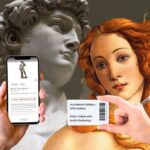
- Skip the ticket line to protect your time at two very popular museums.
- Guided walking tour in the center includes major landmarks like the Cathedral area and Ponte Vecchio.
- Free time after the guided Uffizi portion so you can linger where you personally care most.
- No backpacks and no flash—you’ll want a light carry setup.
A Smart 5-Hour Mix: Accademia, City Walk, and Uffizi
This isn’t a loose “see a few things” tour. It’s built around three focused blocks: Accademia Gallery, a walking tour in Florence’s center, and then the Uffizi Gallery with extra time afterward.
That matters because both museums can swallow a full day if you’re wandering. Here, the guide helps you hit the big works and understand the connections between them—then you get breathing room at the Uffizi to keep going at your pace.
Group size stays small, with a maximum of 14 people. In Florence, that’s a real benefit. You’re less likely to feel like you’re being dragged along, and it’s easier to ask questions when the group isn’t huge.
One more practical note: even though it’s a single day plan, it does assume you’ll take a break for lunch, and the tour does not include lunch. Plan to eat nearby on your own between the museum and the walking part.
Other Uffizi + Accademia (David) tours in Florence
Meeting at Accademia: Easy Start, Clear Target
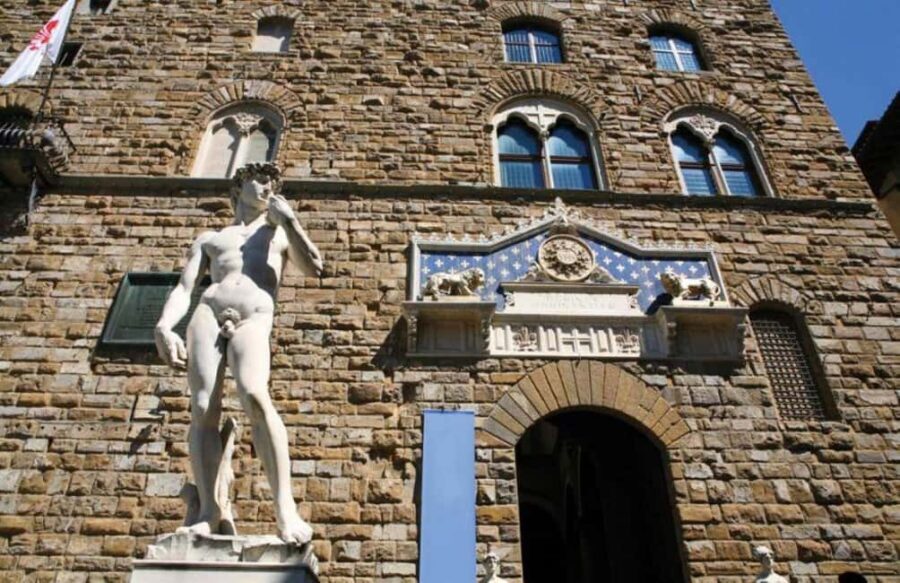
You meet in front of the main entrance of the Accademia Gallery, at the coordinates 43.77681350708008, 11.258642196655273. It’s a straightforward pickup point, and it’s where the tour “locks in” on its first goal: Michelangelo.
Arrive a few minutes early. Not because it’s complicated, but because the morning-to-afternoon flow in Florence can be unpredictable with crowds, security, and simple human timing. You’ll feel it less if you start the day calm.
Also, check what you’re carrying. Backpacks are not allowed, and flash photography is off. If you’re coming with a big bag, you may have to rethink what you bring so you’re not stressed at the museum entrance.
Accademia Gallery: Michelangelo’s David and the Sculptor’s Brain
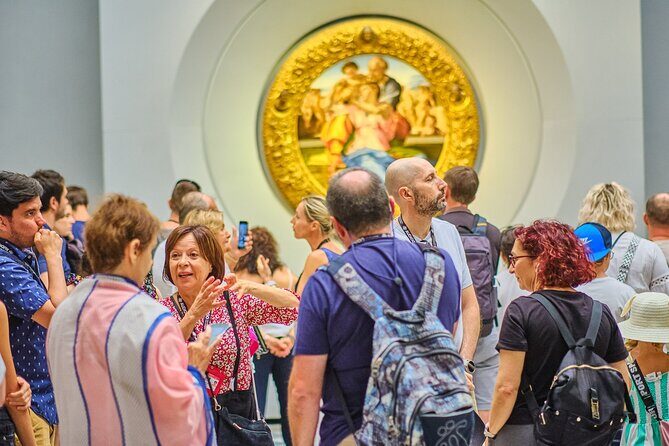
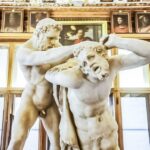
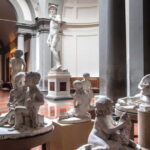
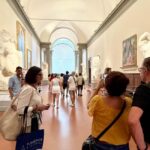
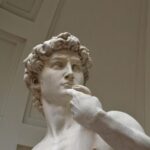
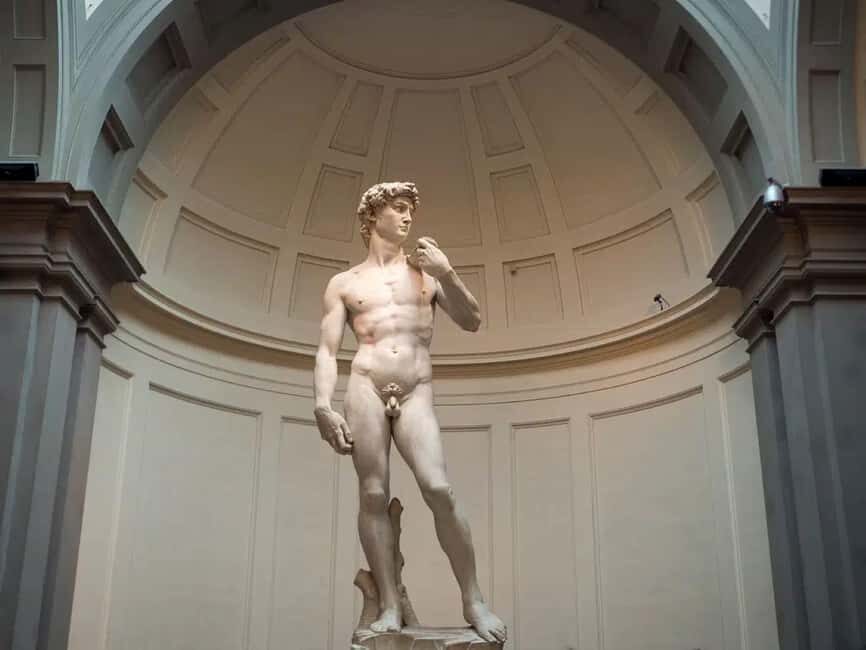
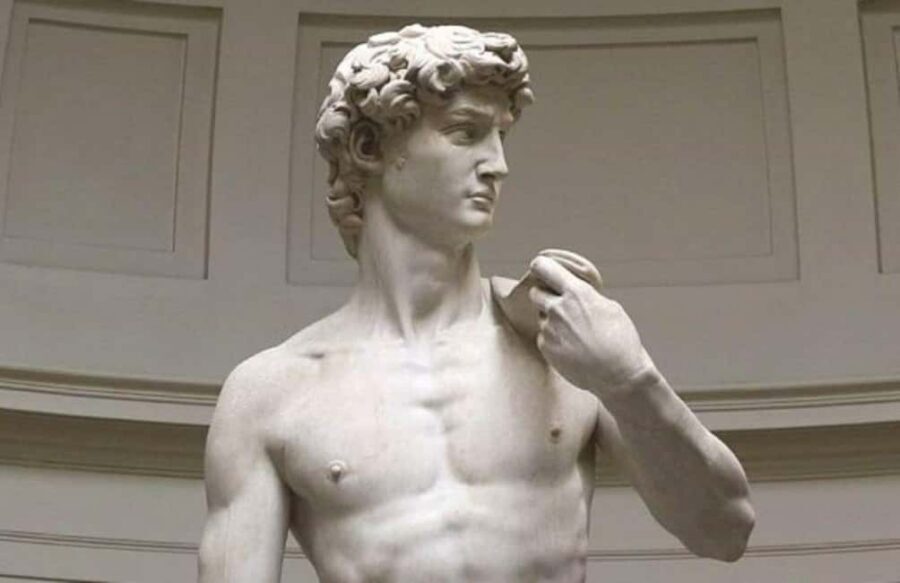
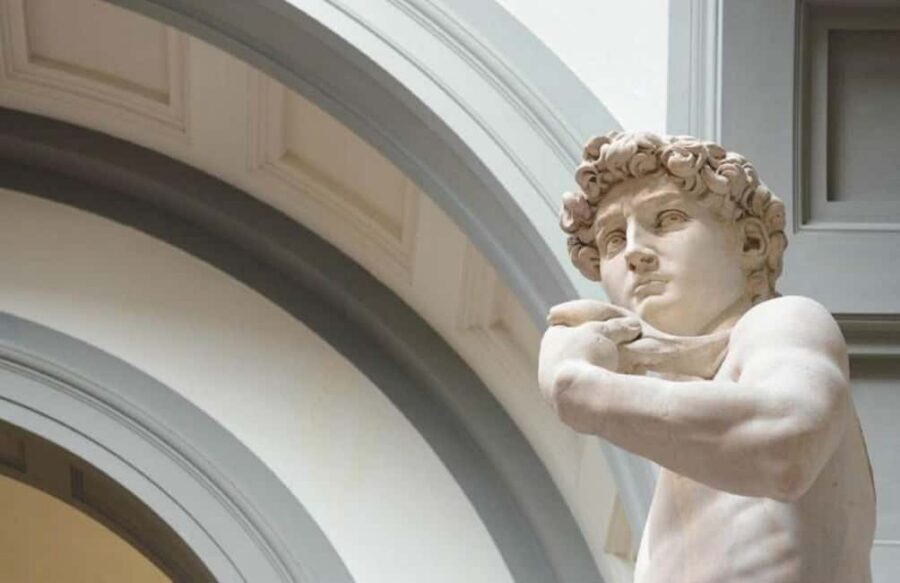
The Accademia Gallery stop is the heart of the morning story. The headline is Michelangelo’s David, and the guide will help you look at it like a sculpture workshop product, not just a statue on a pedestal.
What you’ll likely notice (and what a good guide makes much easier):
- How the pose and proportions are meant to be read from more than one angle.
- How Michelangelo’s approach to anatomy and surface detail fits the broader Renaissance push for realism and control.
You’ll also see other major Michelangelo works mentioned for this tour, including the Pietà and the Prisoners. Even if you’re not an art-history nerd, these are ideal pieces for a guided explanation. They show different sides of Michelangelo’s thinking—emotion in the Pietà, and the tension and near-reveal of forms in the Prisoners.
This is also where you get a payoff from “skip the ticket line.” The Accademia is popular, and removing the ticket line headache helps you spend your time on the art, not standing still.
A small realism check
This part of the day is active. The tour notes that customers must be able to climb and descend stairs. If you’re dealing with knee trouble or you’re not comfortable moving through museum levels, factor that in now. Bring comfortable shoes and expect some stair travel.
The Lunch Break You Need (Not Included, But Planned)
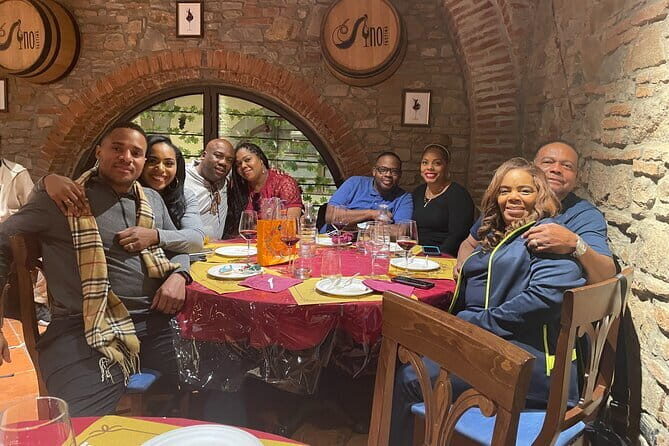
After Accademia, you take a break for lunch. Lunch is not included, but the schedule expects you to eat before continuing on the walking tour.
That’s a smart design choice. Florence is too hot and too crowded to do a full art sprint without a reset. You’ll want a real meal or at least a solid sandwich and water, depending on your pace.
My practical tip: eat somewhere simple and close rather than chasing the perfect spot. When a walking tour is next, you don’t want your meal to turn into a commute.
Other Uffizi + Duomo tours in Florence
Walking Florence’s Center: Cathedrals, Streets, and Timing
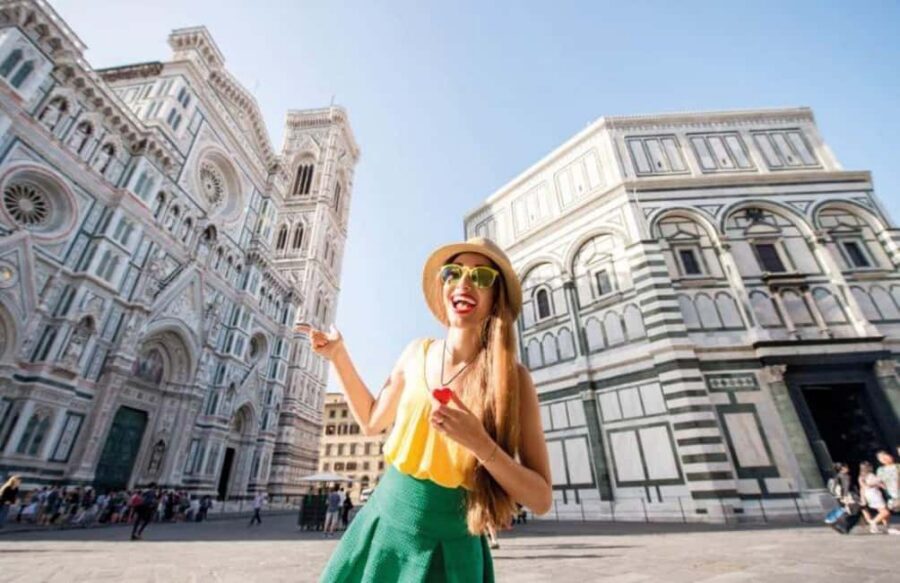
Next comes the guided walking tour through the historical center. This portion is where the day becomes more than “museum viewing.”
You’ll learn about the history of Florence and its art while moving through key parts of the city. And your guide will help you connect what you saw indoors to the architecture and symbolism outside.
The tour includes landmark stops, including:
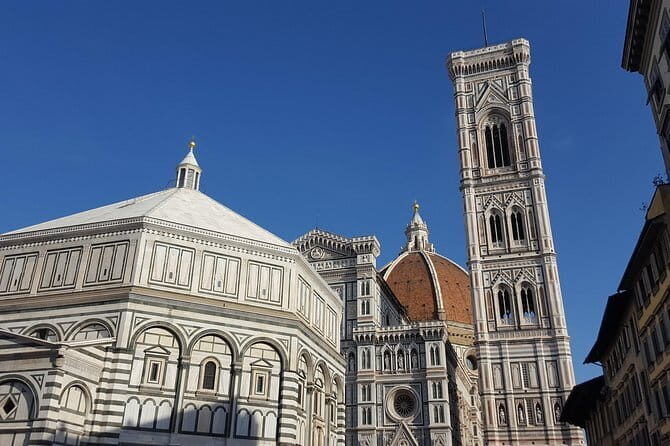
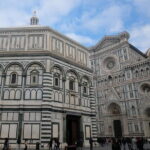
- The Cathedral of Florence area, known for the Brunelleschi Dome
- The walk to Ponte Vecchio
Even if you’re not going inside every building, this kind of guided route can be the difference between seeing Florence as pretty streets versus understanding why these places matter.
About the Duomo Cathedral stop
A key consideration here: while the Cathedral of Florence is part of the walk, there is no clear guarantee in the provided details that you’ll enter the Duomo Cathedral itself. One disappointing scenario has been reported where the walk did not include getting into the Cathedral. So if visiting inside the Duomo is your must-do, plan to confirm expectations with the operator before booking, or arrange entry separately.
Ponte Vecchio: The Photo Moment That Feels More Than Copy-Paste
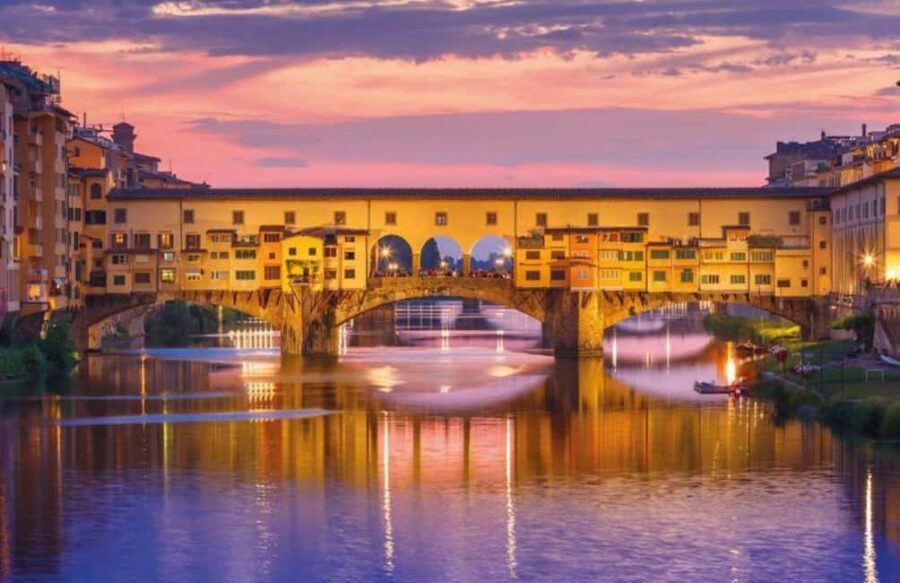
Ponte Vecchio is the obvious landmark on this part of the route, and for good reason. It’s one of those places where the view and the setting are so recognizable that you almost expect it to feel like a postcard.
Here’s what makes it work better with a guide: you get context for why this bridge became such a fixture in Florence’s life, and you’re not only there for a quick snapshot. The stop is also timed into a walking circuit, so it doesn’t feel like a detour with no payoff.
If you like photography, keep your camera ready, but remember the tour rules: no flash.
Uffizi Gallery: Botticelli, Leonardo, and Caravaggio (With Built-In Free Time)
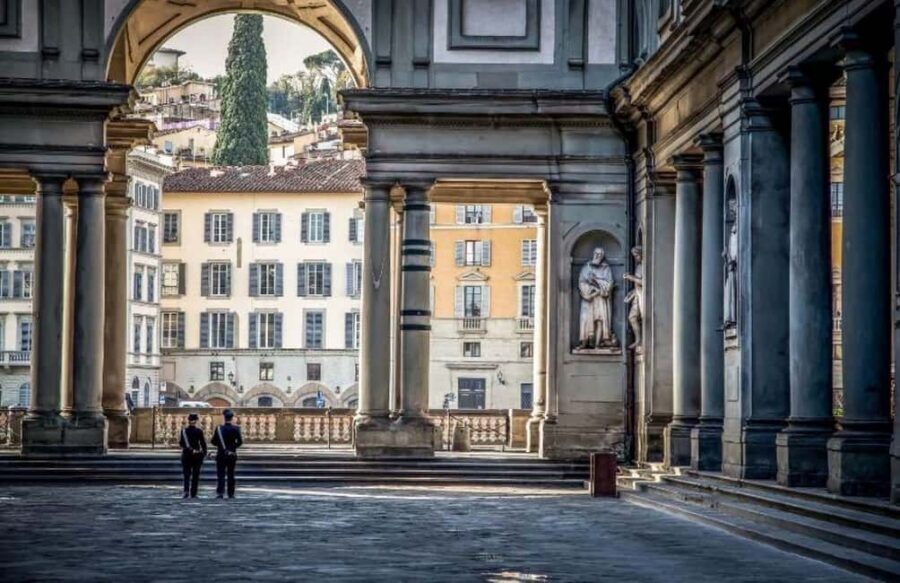
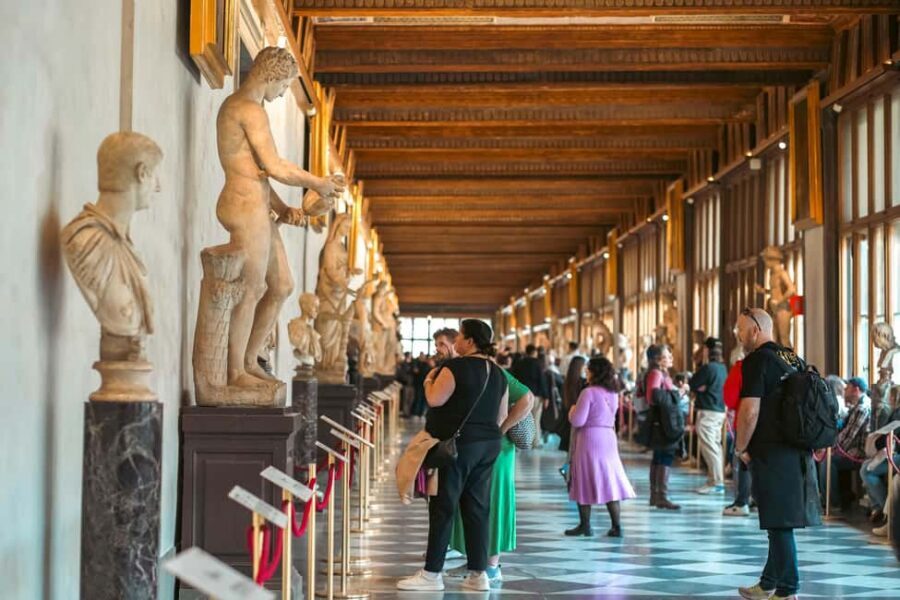
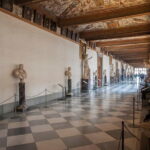
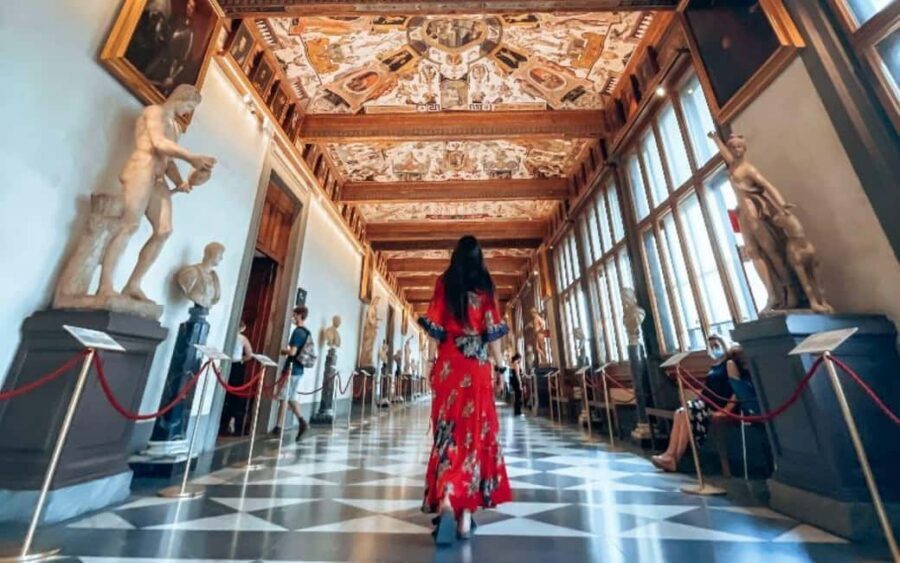
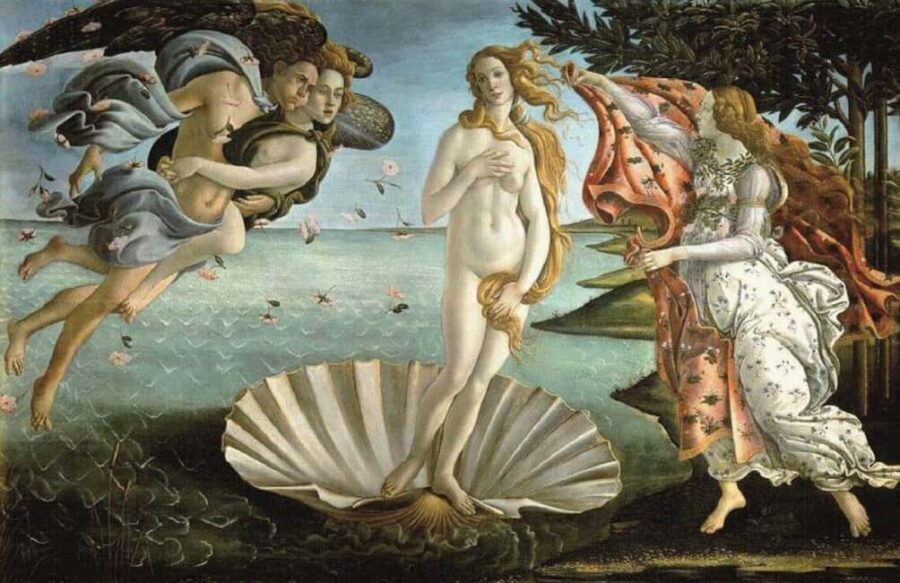
The Uffizi Gallery is the final big anchor of the day. The guided portion includes masterpieces by major artists—listed works include Botticelli, Leonardo da Vinci, and Caravaggio—and your guide’s job is to give context for how these works connect to Florence’s Renaissance influence and artistic evolution.
This is where guided time really helps. The Uffizi is a lot to take in. Even if you’ve read about famous paintings, seeing them in the right sequence, with explanations that tie style and ideas together, makes the museum feel way more coherent.
Then you get free time after the guided portion. That’s important for two reasons:
- You can spend extra minutes on the pieces that actually grab you.
- You can move at a slower pace if you’re tired, without holding up the group.
Skip the ticket line also applies here, which is a big deal at the Uffizi. Less queue time means more “looking time,” and that’s what you’re paying for.
How to use your free time well
When you’re on your own after the guide, don’t just wander randomly. Pick one or two artists or themes you care about, then circle back to see the pieces again with your new understanding.
Group Size, Stairs, and What to Bring for a Smooth Day
This tour has a max group size of 14. That’s not just a comfort detail—it affects how smoothly you move between stops and how easy it is to stay together on busy museum days.
The rules are also clear on what you should bring and what you should not:
- Bring comfortable shoes, camera, sunscreen, and water
- In hot weather, bring a cap
- No flash photography
- No backpacks
- You must be able to climb and descend stairs
If you’re packing for Florence, this is a good checklist:
- Wear shoes you can walk in for a couple of hours.
- Keep your bag small enough to feel easy inside museums.
- Bring water even if you think you won’t need it. Summer walking in Florence can run hot fast.
And yes, stairs add up across the day. If you’re planning this around a tight physical limit, you’ll want to think twice before booking.
Price and Value Check: What Makes This Worth It
The provided details don’t give a specific price here, so I can’t tell you whether it’s a bargain or not in pure dollar terms. But you can judge value with three practical questions.
First: do you get the full 5-hour experience you booked? One concern that’s been reported is a shorter-than-expected outing. If you end up with less guided time than promised, you pay more per minute and the Uffizi and walking connection lose some power.
Second: do you get the core stops you planned around?
- Accademia with David and other Michelangelo works
- The walking portion that includes the Cathedral area and Ponte Vecchio
- Uffizi guided time plus free exploration
Third: does skip-the-line matter for your schedule? In Florence, it usually does. If you hate wasting time in queues, paying for that time-saving piece can be worth it even if you’re not sure you’ll love every explanation.
Cancellation is listed as non-refundable. That’s not a deal-breaker, but it does mean you should book only when your day in Florence is locked in.
Who This Tour Fits Best (and Who Might Want a Different Plan)
This is a strong fit if you:
- Want a guided route that covers the big art targets without spending hours researching logistics.
- Prefer a structured day with a clear sequence: Accademia → city walk → Uffizi.
- Like the idea of museum guidance early, then freedom later at the Uffizi.
It may be less ideal if you:
- Need guaranteed entry into the Duomo Cathedral interior. The walking stop includes the Cathedral area, but the exact access is not guaranteed in the details you have here.
- Can’t handle stairs and some active walking.
- Are extremely schedule-sensitive and can’t tolerate any delay.
If you’re the type who loves to sit with one painting for a long time, you might appreciate that the Uffizi includes free time—but your schedule might feel tight if your ideal pace is slow all day.
Should You Book This Florence Art Tour?
Yes—with one smart check. If you want a guided introduction to Michelangelo and Renaissance masterpieces, plus a connected walk through Florence’s key sights, this tour gives you a lot of the day’s best moments in one plan. The small group size (max 14), skip-the-line approach, and the added free time at the Uffizi are all real strengths.
Before you book, verify two things:
- That the timing works for your day (and that you won’t be arriving too late in the afternoon by the time you’re at museums).
- What the Duomo portion includes—especially whether it’s exterior views only or if there’s any chance of entering.
If you’re good with stairs and you’re happy to do museums plus a guided street route, this is a very practical way to experience Florence’s art without getting lost in lines and loose plans.