REVIEW · FLORENCE
Florence: Uffizi Gallery Priority Entrance and Tour
Book on GetYourGuide →Operated by Keys of Italy · Bookable on GetYourGuide
Early hours make the Uffizi feel human. This priority entrance tour lets you get into the museum before the crush, then focus on the Medici collections and major masterpieces without wasting the first part of your visit in line chaos.
I especially like the way the tour keeps things efficient: a small group and a timed guided circuit means you get context fast, even if you only have a short window in Florence. One possible drawback is that the Uffizi is so massive that 1.5 hours will always be a curated taste, not a full museum marathon.
The best part is the live narration. Your guide speaks in one language (Italian, French, or English), so you’re not stuck repeating the same basics like some headsets do, and you get art explained through stories and relationships between eras.
In This Review
- Key things to know before you go
- Priority entrance at the Uffizi: what early access really changes
- Meeting near Piazza della Signoria with a certified guide
- The 1.5-hour highlights circuit: Medici collections and the big names
- The Roman Empire section: emperors, tombs, and why it fits
- Renaissance art through Florence’s patrons: what the guide helps you connect
- What you do after the tour: stay as long as you want
- Practical tips that make this tour smoother (and less stressful)
- Price and value: is $99 per person fair for what you get?
- Who should book this Uffizi priority entrance tour
- Should you book this tour?
- FAQ
- How long is the Uffizi priority entrance and tour?
- Does this tour include priority entrance and skipping the ticket line?
- What group size is this tour limited to?
- What languages are available for the live guide?
- Where do we meet for the tour?
- What should I bring with me?
- Are there restrictions on luggage or belongings?
- Is there free cancellation and can I pay later?
Key things to know before you go
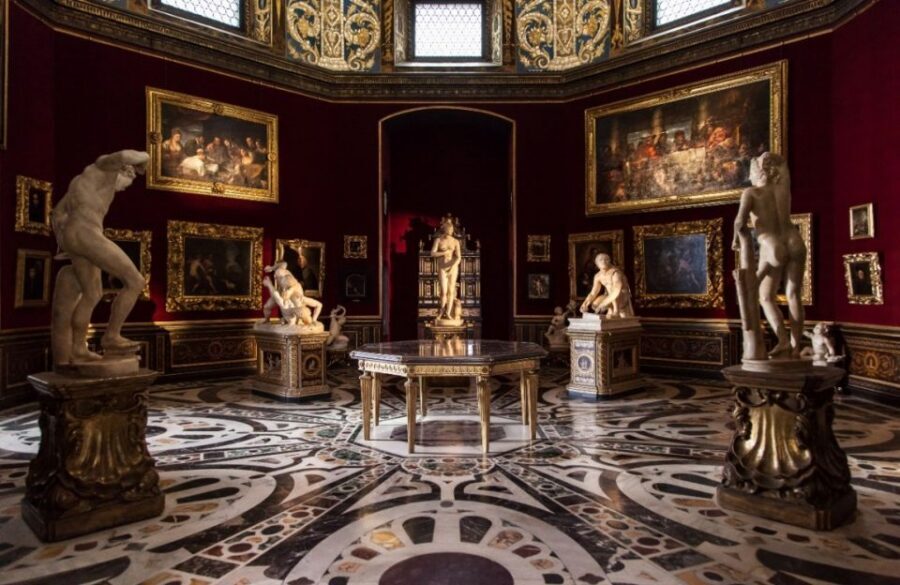
- Early access beats the worst queues, so the Uffizi feels more manageable.
- Small group size (up to 9) keeps the experience calm and question-friendly.
- Live guide in Italian, French, or English gives you context you can carry to the next rooms.
- Medici-focused highlights plus Roman artifacts help you see how Florence’s power shaped its collecting and art.
- You can stay after the tour ends, so you’re not forced to leave right when you start caring.
Priority entrance at the Uffizi: what early access really changes
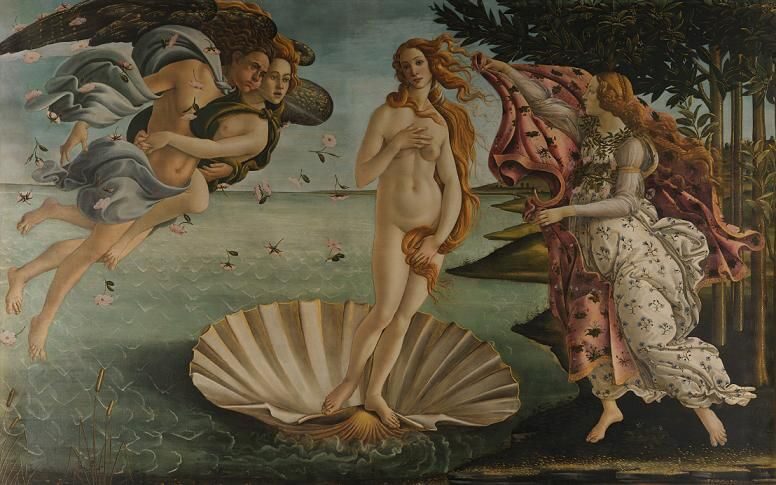
The Uffizi can be a lesson in patience. Even on a good day, you’re competing with long lines and slow-moving entry. This tour’s big win is simple: you get priority entrance and skip the ticket line, so you start looking sooner.
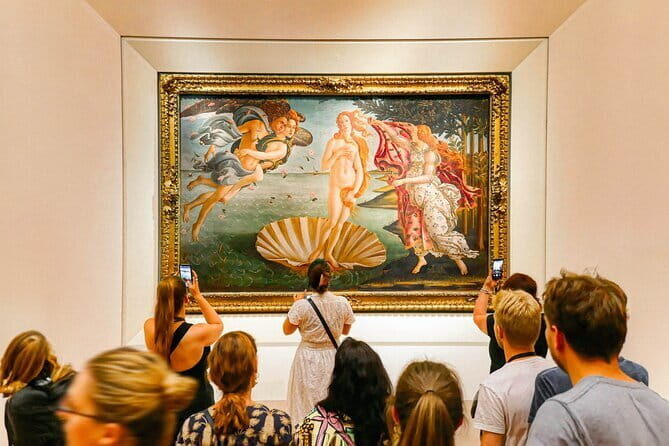
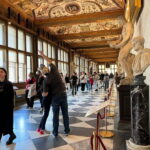
Early morning access also changes how the museum feels. You’re less rushed. You’re not sprinting to beat the crowd. That matters because the Uffizi rewards slow looking—details, symbols, and painting choices. When you walk in before the peak push, you can actually absorb what you see instead of treating masterpieces like speed-dating.
One more practical thing: priority entry works best when you arrive ready. Bring your ID/passport and keep your bag situation clean (more on that below). It prevents tiny delays that compound when you’re trying to meet a guide.
Other skip-the-line Uffizi tickets we've reviewed in Florence



Meeting near Piazza della Signoria with a certified guide
You meet your certified, official guide at the Uffizi Gallery, adjacent to Piazza della Signoria. The exact meeting point can vary by option, so check what you booked and use it as your anchor.
I like that this tour uses small group scheduling (limited to 9 participants). In a museum this size, small-group touring keeps you from feeling like cattle being moved down a conveyor belt. It also makes the guide’s pace more realistic—you can actually stop, look, and ask something without breaking the flow.
Also, the tour runs in a single language. That sounds minor until you’re standing in a gallery with multiple languages bouncing around. Here, your guide stays in one mode so the stories build step-by-step.
The 1.5-hour highlights circuit: Medici collections and the big names
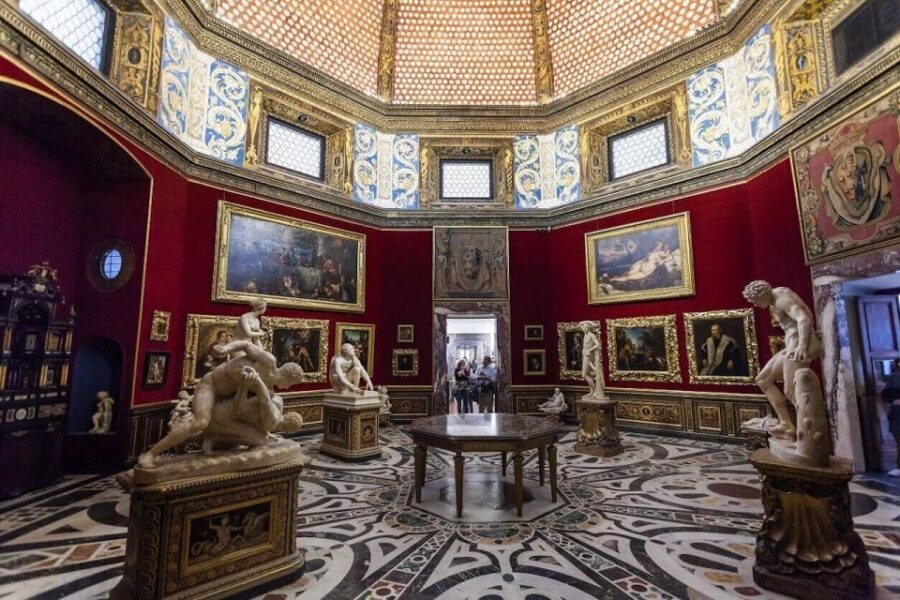
Think of this as an art history primer inside one of the world’s biggest museum layouts. In 1.5 hours, you won’t see everything. You will see a smart selection, chosen to give you a backbone for the rest of the museum.
Here’s what the guided portion is built around:
- Medici collections and the Renaissance through the lens of Florentine power
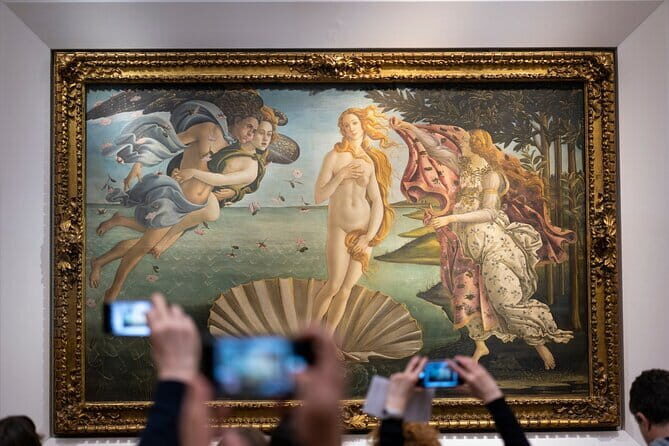
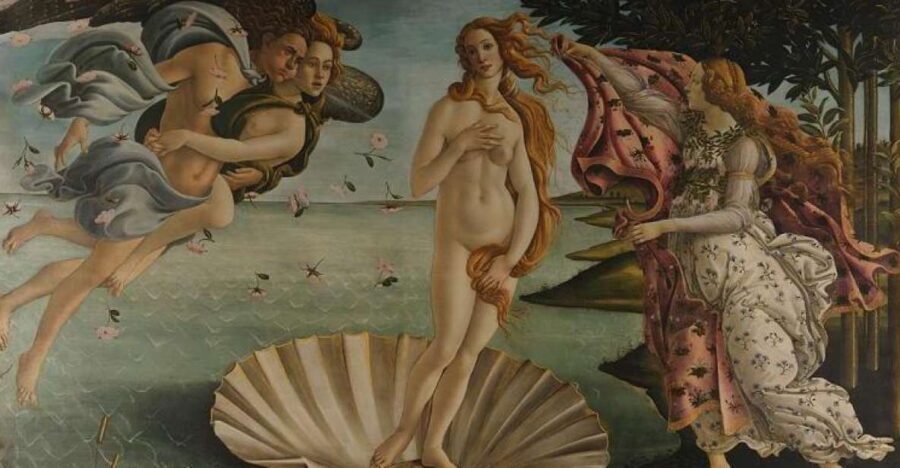
- Major works associated with the giants of Italian art—Michelangelo, Botticelli, Da Vinci, and Caravaggio
- Art explained in terms of what changed over time: techniques, themes, and what different patrons wanted
Guides often bring these stops to life with strong storytelling. For example, the tour’s guide roster includes people like Ivano and Gianna in English-speaking groups (based on past experiences), and you can feel the difference between a person who points at a painting and a person who explains why that painting exists.
You’ll also learn to look beyond the surface. One of the most helpful parts of this format is that you get historical context woven into what you’re seeing right now. When the guide contrasts motifs and artistic choices across periods, the museum stops feeling like random rooms of art and starts feeling like a timeline you can follow.
The Roman Empire section: emperors, tombs, and why it fits
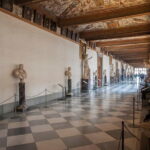
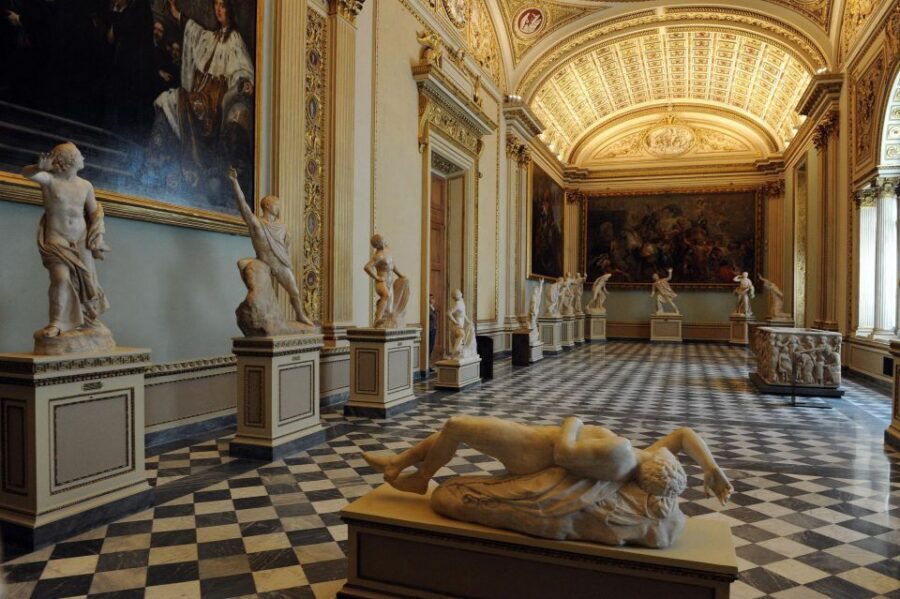
One of the most interesting angles in this tour is that it does not stay stuck in the Renaissance bubble. You’ll also see important Roman Empire artifacts, including tombs and busts, plus classical sculpture tied to Roman emperors.
Why this matters for you: Rome sets up a visual language that later artists in Florence understood and borrowed. When you walk from Roman sculpture into later works, you start noticing how artists respond to earlier models—what they imitate, what they reject, and what they adapt for new religious and political goals.
This is also where the tour’s guided format earns its keep. Without context, Roman busts and tomb-related pieces can look like just more stone figures. With narration, they become evidence of power, identity, and how the ancient world wanted to be remembered.
Renaissance art through Florence’s patrons: what the guide helps you connect
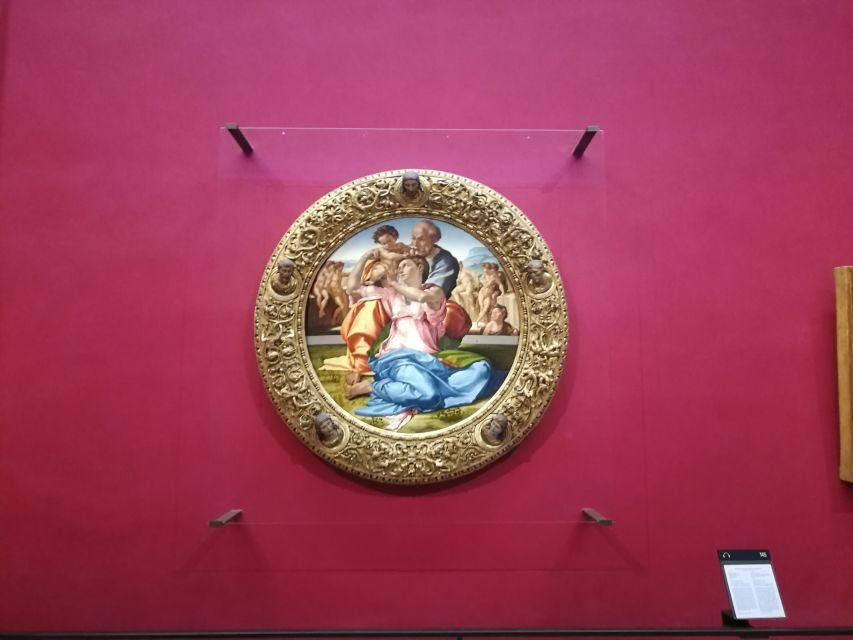
The Uffizi’s Renaissance works can feel overwhelming at first. Too many paintings, too many schools, too many names. The guide’s job is to give you threads to hold.
This tour’s Renaissance focus leans on two ideas you’ll want to carry with you:
1) How the Medicis shaped taste
The Medici collections aren’t just a list of famous artists. They reflect what the ruling family (and their circle) valued—intellectual status, religious messaging, and cultural legitimacy.
2) How art changes with time and influence
You’ll get commentary that explains how artistic methods and themes evolve. In past tours, guides like Giacomo and Janna have been praised for bringing the evolution of art to life and for contrasting motifs and techniques so you can see the shift instead of memorizing facts.
If you’re new to art, this is a huge comfort. You’re not expected to already know the difference between similar styles. You’re guided into it.
If you’re not new to art, it still helps. The Uffizi is a place where small interpretation moves matter. A guide can point out patterns you’d otherwise miss in the first hour.
Other museum experiences in Florence


What you do after the tour: stay as long as you want
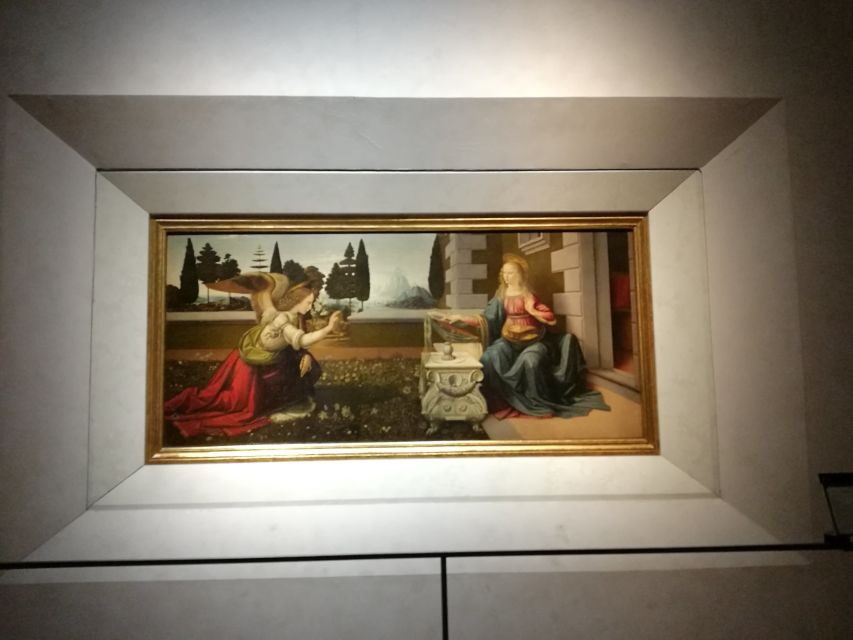
After the guided portion, you’re free to stay inside the museum and keep exploring at your own pace. That’s not always true with timed tours. Here, you get the best of both worlds: structured highlights first, then freedom second.
Practical tip: treat the guided tour like your planning session. As you finish, you’ll know what you want to see longer. Maybe you’ll want to linger on one Renaissance artist. Maybe you’ll return to Roman pieces with a new lens. Either way, you’re spending your extra time on what actually grabs you, not what you happened to bump into.
If you need a break, the Uffizi has places to step off your feet during the visit, and you can use that time to reset your eyes before going back into rooms. Early entry also helps here: you’re more likely to enjoy the museum instead of just surviving it.
Practical tips that make this tour smoother (and less stressful)
Wear comfortable shoes. The Uffizi is not a sit-and-stare museum. You’ll move between rooms, stand for viewing, and keep your pace with the group.
Bring your passport or ID card, since you’re asked to present valid identification.
Travel light. No luggage or large bags is a clear rule, and pets and smoking are not allowed. If you’re coming from the train station or bouncing between sights, plan to store bulky items before your museum time.
Also, give yourself a little extra margin to find your guide near Piazza della Signoria. Getting oriented in that area can be tricky before your first coffee, and there’s evidence from past experiences that meeting up can sometimes take extra effort when someone is late or is trying to find the exact group.
Price and value: is $99 per person fair for what you get?
$99 per person is not cheap, but this is one of the rare museum tours where the value logic is straightforward.
You’re paying for three things that solve real problems in the Uffizi:
- Priority entrance so you skip the time sink of waiting
- A live guide who turns a huge museum into an organized story
- A small group experience that makes it easier to keep up and ask questions
At $99 for 1.5 hours, you’re essentially buying speed with context. Without a guide, you can still wander and enjoy the art—but you may lose time learning how to read the museum’s connections. With a guide, you start understanding what you’re looking at right away, and then you can extend your visit on your own inside the museum.
If you’re the type who likes museums best when you have a map in your head, this price tends to feel fair. If you’re the type who wants to go room-by-room for hours with no structure, you might not need the guided portion as much.
Who should book this Uffizi priority entrance tour
This works best for:
- You want to see the Uffizi’s most important threads in a short time
- You like art explanations that connect the Renaissance to earlier influences like Roman culture
- You prefer a small group and live storytelling over self-guided guessing
It may be less ideal if:
- You plan to spend the day “deep studying” and want total control over every room from the start
- You already have a strong art history background and only need a ticket, not a guided selection
For most people, though, it’s a smart entry point. It helps you turn the Uffizi from a huge building into a coherent experience you can build on.
Should you book this tour?
If your schedule is tight, I’d book it. The early access and priority entrance are the difference between enjoying the museum and feeling trapped by queues. The guide-led highlights are also a good way to avoid getting lost in a building that rewards knowledge.
Book it especially if you want someone to help you connect the dots between the Medici collections, the big Renaissance names, and the Roman artifacts that set the stage. And then plan to use your extra time after the tour ends to return to the pieces that actually grab you.
FAQ
How long is the Uffizi priority entrance and tour?
The tour duration is 1.5 hours.
Does this tour include priority entrance and skipping the ticket line?
Yes. It includes a priority entrance ticket and lets you skip the ticket line.
What group size is this tour limited to?
It is a small group limited to 9 participants.
What languages are available for the live guide?
The live tour guide is available in Italian, French, and English.
Where do we meet for the tour?
You meet your guide at the Uffizi Gallery, located adjacent to Piazza della Signoria. The exact meeting point may vary depending on the option booked.
What should I bring with me?
Bring your passport or ID card, and wear comfortable shoes.
Are there restrictions on luggage or belongings?
Yes. Pets are not allowed, smoking is not allowed, and luggage or large bags are not allowed.
Is there free cancellation and can I pay later?
Yes. You can cancel up to 24 hours in advance for a full refund. You can also reserve now and pay later, keeping your plans flexible.