REVIEW · FLORENCE
Florence: Skip-the-Line Uffizi & Accademia Tour
Book on Viator →Operated by Italy Pass tours · Bookable on Viator
Two Florence giants, one guided sprint. This skip-the-line tour strings together the Uffizi and the Accademia in one small-group visit, using a licensed English guide and radios so you don’t lose time to crowds or confusion. You’ll see headline Renaissance works from the people Florence celebrates most—then get the story behind how these collections came to matter.
My favorite part is how the guide ties themes together fast: you’re not just looking at famous paintings, you’re getting context for why the Medici shaped what you’re seeing in the Uffizi. I also love the focus at the Accademia on Michelangelo’s David—including what makes the pose so memorable—and the chance to connect it with the unfinished Slaves and other museum highlights. One drawback to plan for: the pacing can vary by guide style, and the day can feel tight if you want to linger on every artwork.
In This Review
- Key things to know before you go
- Why this Uffizi + Accademia combo tour works
- Uffizi: skip-the-line, Medici context, and what the guide actually does
- Accademia: David, the Slaves, and the Michelangelo storyline
- Timing and logistics: a short day that can still feel tight
- Price value: what you’re paying for beyond the ticket
- Small-group comfort: hearing the guide and staying together
- Who should book this tour (and who might want a different plan)
- Should you book? My honest takeaway
- FAQ
- Do both museum tickets include skip-the-line entry?
- How long is the tour?
- What language is the tour in?
- How big is the group?
- What are the main stops on the itinerary?
- Does the tour end at the same location it starts?
- Can I cancel and get a refund?
Key things to know before you go
- Two top museums in one booking: Uffizi and Accademia, both with skip-the-line tickets included.
- Small group (max 9): easier to hear the guide with radios and stay on track.
- Uffizi focus on the Medici and “how the gallery works”: history plus big-name artists.
- Accademia focus on David and Michelangelo: you’ll also hear about the Slaves and see other collection areas.
- The tour can end in a different location: plan your next stop accordingly.
Why this Uffizi + Accademia combo tour works
Florence hits you with Renaissance art at a volume most cities can’t match. If you only have a half-day, trying to do Uffizi and the Accademia on your own means managing lines, ticket timing, and the reality that both museums are big enough to swallow your morning.
This tour’s main value is the pairing. Uffizi gives you the painting and collector-story side of Florence’s Renaissance. Accademia brings you the sculptor’s view—especially through Michelangelo’s David—and adds that famous “wait, this is real?” feeling when you finally stand in front of it. Doing both with one guide also helps your brain connect the dots instead of treating them like two unrelated checkmarks.
The small-group size matters here. When a museum plan is tight, you want a group that can actually move and regroup without turning into a stuck bottleneck.
And yes, radios and headsets are included. That sounds like a small perk until you’re inside long galleries where walls, ceilings, and crowds make normal talking unreliable.
Other skip-the-line Uffizi tickets we've reviewed in Florence


Uffizi: skip-the-line, Medici context, and what the guide actually does
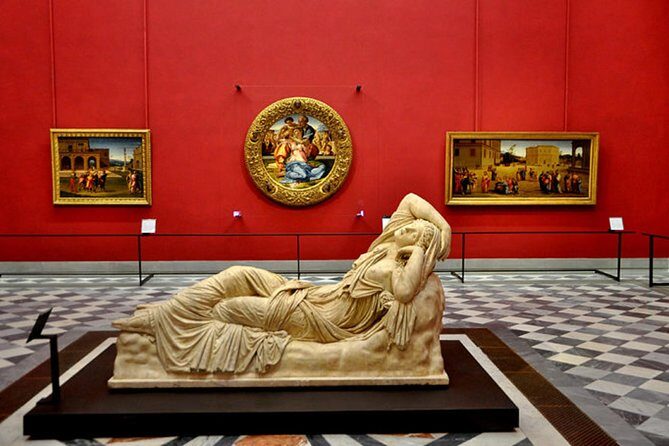
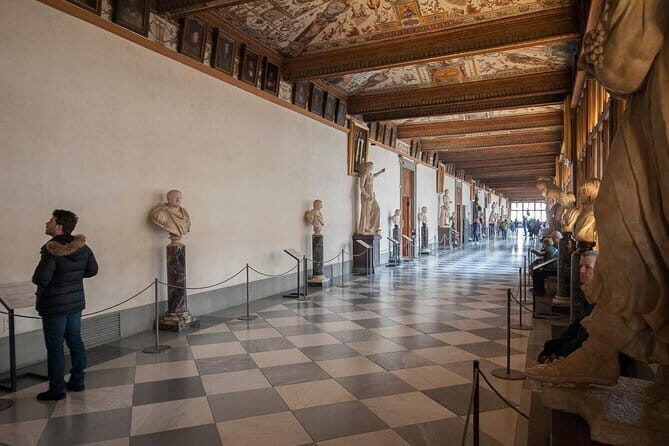
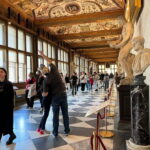
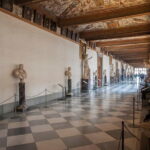
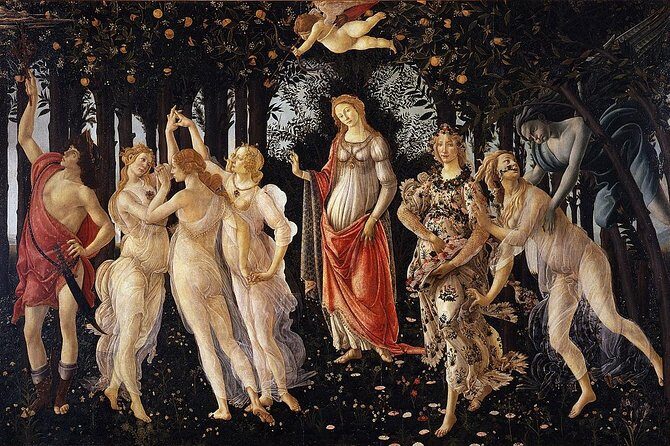
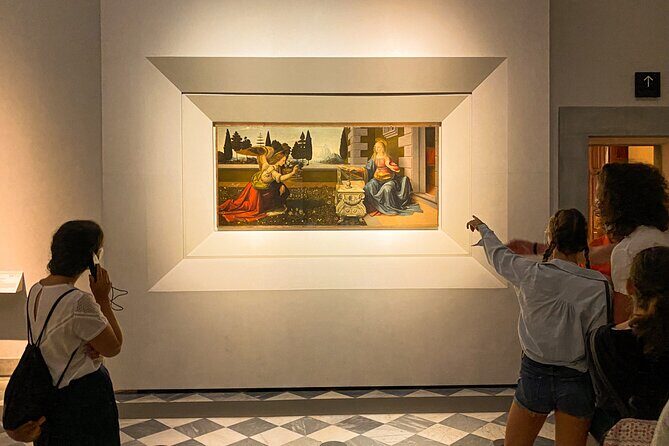
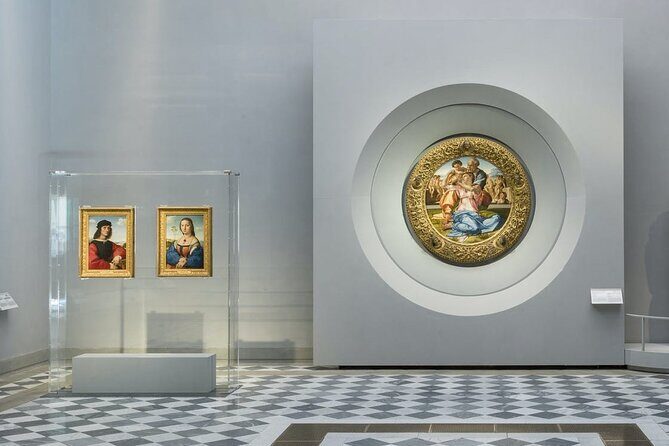
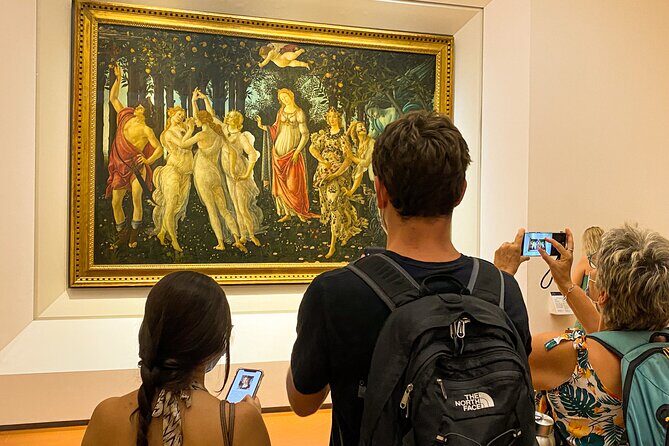
The Uffizi stop is built around the idea that the museum isn’t just a warehouse of masterpieces—it’s a curated story that grew out of major power players in Florence, especially the Medici family. Your guide walks you along the famous corridors and the gallery layout, pointing out key works by Botticelli, Michelangelo, Leonardo da Vinci, Filippo Lippi, Caravaggio, and others.
What I like about this approach is that it answers a common first-timer problem: you look at a painting, then wonder how anyone in the 1500s would have read it. A good guide doesn’t just name the artist. They help you understand why these works are famous and how the collection formed into the Uffizi you see today.
Two practical notes to keep your expectations realistic:
First, the time is limited. This Uffizi portion is about 1 hour 30 minutes, so you’ll see plenty, but not everything. That’s why your guide’s “selection strategy” matters—what they choose to spend extra time on will shape how the visit feels.
Second, pacing can swing depending on guide style. One Uffizi guide approach described in feedback involved spending 15–20 minutes on a single painting, while some guides move more quickly (around 3–4 minutes per artwork). If you’re the type who loves slow, detailed looking, that slower approach can be a treat. If you prefer a rapid highlights tour, you’ll want to mentally prepare for the possibility that you might wait a bit while the guide goes deep on one piece.
If you can, I’d go in with a short list. Pick 2–3 artists you especially want to understand (Botticelli and Leonardo are frequent favorites here) and then let the rest be bonus context.
Accademia: David, the Slaves, and the Michelangelo storyline
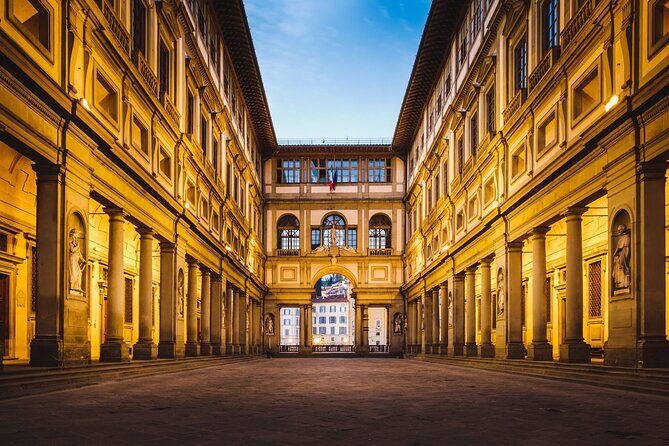
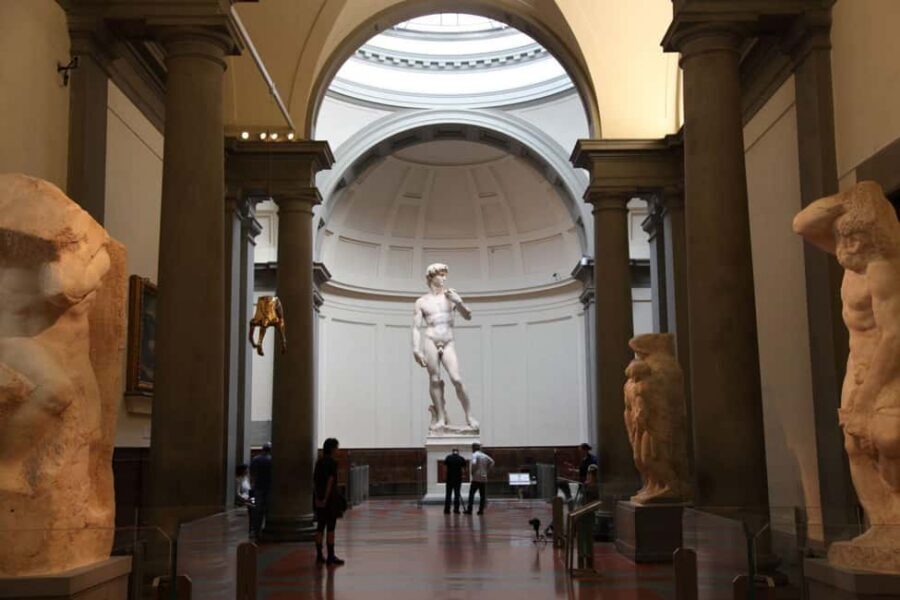
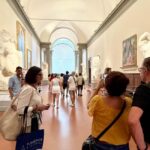
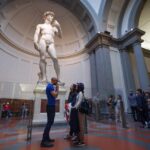
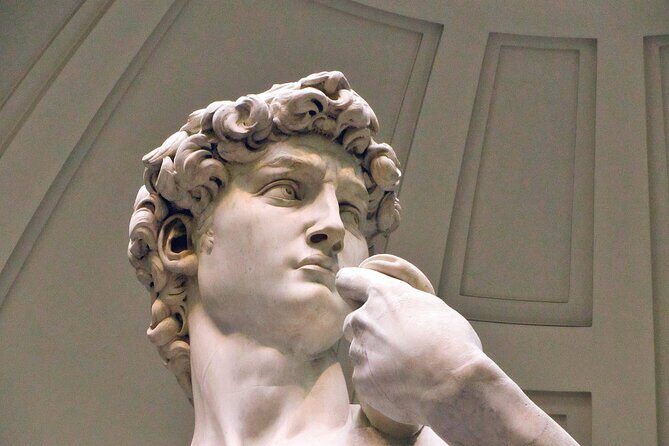
The Accademia stop is centered on Michelangelo. It’s hard to overstate how much David dominates people’s attention when they finally get there. Even if you’ve seen photos a thousand times, standing in front of the statue is still a different experience.
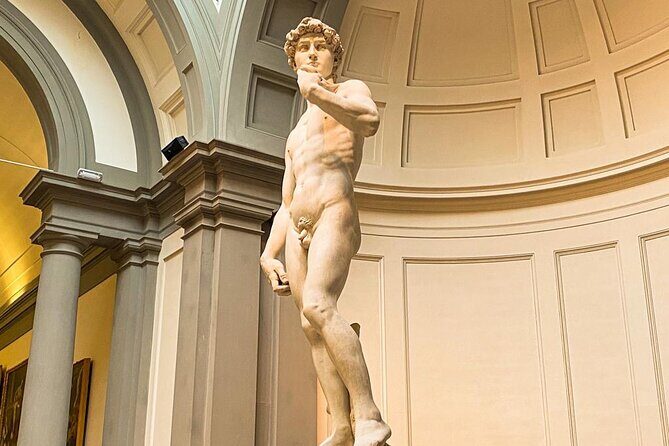
In this tour, the guide focuses on not only what David is, but also the story behind its creation and why it became such a symbol of Renaissance sculpture. You’ll also hear about the meaning of his pose—what Michelangelo chose to show, and why that specific posture makes the statue so memorable.
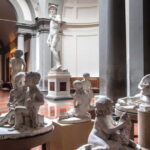
Then the tour shifts to Michelangelo’s other work connected to David—the unfinished Slaves (also tied to the tomb of Julius II). Even if you don’t consider yourself a “sculpture person,” this part helps you understand that Michelangelo’s genius wasn’t only about final polish. It was also about the thinking and planning inside unfinished stages.
A couple of extra Accademia details you may see mentioned: Botticelli and other artists show up in the museum experience, and the museum of musical instruments is included as part of the tour’s broader walk-through. That variety is useful because the museum is smaller than the Uffizi, and breaking up the focus helps you keep your attention when your feet get tired.
Also, you’re not doing this in total silence. With radios and headsets, you can listen while moving without stopping every second to re-orient yourself.
Timing and logistics: a short day that can still feel tight
The advertised duration is about 2 hours 30 minutes, and the itinerary is laid out as Uffizi first and Accademia second. Start time listed is 9:45 am.
One thing to watch for: timing can be less rigid than you hope. Feedback included a situation where the Uffizi portion happened earlier, then the Accademia started later with a gap, meaning people used the break for lunch and spritz. That doesn’t guarantee it will happen to you, but it’s a smart possibility to plan around.
Here’s my practical advice: keep your next reservation flexible. If you’re the kind of traveler who books a tight lunch time down to the minute, this tour might frustrate you. A museum day in Florence is subject to security timing and crowd flow, and a tour built around two sites has more moving parts than a single-museum visit.
Also note that the tour ends in a different location. That’s helpful because you’re likely not crammed into a single meeting point, but it also means you should plan how you’ll get to your next stop.
When you’re doing two museums, your “real” travel time isn’t just walking inside. It’s the time it takes to find your group, move through any exterior transition, and re-set your brain between painting and sculpture.
Price value: what you’re paying for beyond the ticket
At $204.81 per person, this isn’t a bargain-basement tour. But it is priced like a plan designed to save you time and stress.
You’re paying for:
- Skip-the-line tickets to both the Uffizi and the Accademia
- A licensed guide for both collections
- Radios/headsets, which are genuinely useful in long galleries
- A small group capped at 9 people
If you were to do both museums independently, you’d still spend money on timed entry and likely face the same reality: security lines, crowd density, and figuring out what’s “worth your minutes.” This tour tries to remove that guesswork by bundling access and interpretation into a short window.
So the value math depends on your priorities. If you’re in Florence for a short stay and you want the most famous Renaissance highlights with less planning, the price starts to make sense fast. If you want to roam slowly and read every label, you may find the fixed route and shorter guide time less satisfying.
Other Uffizi + Accademia (David) tours in Florence


Small-group comfort: hearing the guide and staying together
With a maximum of 9 travelers and radios/headsets included, the tour is set up to be workable. That setup matters in Florence because museums can turn into sound-dead zones—people whisper, groups drift, and you lose your place.
Radios let the guide keep a steady explanation without stopping the group every time someone falls behind. From a practical standpoint, that means you get more looking time and less time searching for the right doorway or the right “side room.”
I’d still do two things:
- Arrive ready to go a few minutes early, so your group can start on time.
- If the guide’s style doesn’t match how you like to learn, pay attention to the structure: you may still get value from the selection of artworks and the historical connections, even if the pacing feels different.
Who should book this tour (and who might want a different plan)
This tour is a good fit if you:
- Want a high-impact first look at Renaissance art in Florence without spending your day managing tickets
- Like guided interpretation and want the “why this matters” layer
- Prefer a smaller group experience rather than joining a large crowd and hoping you can hear
It may be less ideal if you:
- Hate tight schedules and want long, quiet museum time
- Need a very predictable timeline between two sites (because a day with two museums can introduce gaps)
- Are extremely sensitive to guide pacing—some styles can slow down for one artwork more than others
If you’re traveling with someone who gets impatient with waiting, I’d set expectations ahead of time: the tour is designed to hit major highlights with explanation, not to provide unstructured roaming time in every room.
Should you book? My honest takeaway
I’d book this tour if your goal is clear: see Uffizi’s major Renaissance highlights and then make it to Accademia’s David with context, while using skip-the-line tickets and radios to reduce friction.
I’d hesitate only if your day is packed with hard-to-move reservations, because two museums plus city security means the schedule can feel tight. And if you know you prefer fast highlight tours, you should mentally prepare that some guides may slow down for extra discussion on individual artworks.
In short: this is a strong choice for first-timers who want value in time and direction. Just give yourself breathing room afterward.
FAQ
Do both museum tickets include skip-the-line entry?
Yes. The tour includes skip-the-line tickets to both the Uffizi Gallery and the Accademia Gallery.
How long is the tour?
The tour runs about 2 hours 30 minutes (approx.).
What language is the tour in?
This tour is offered in English.
How big is the group?
The maximum group size is 9 travelers.
What are the main stops on the itinerary?
You’ll visit Le Gallerie Degli Uffizi first, then the Galleria dell’Accademia.
Does the tour end at the same location it starts?
No. The activity ends in a different location from where it begins.
Can I cancel and get a refund?
Yes. You can cancel for a full refund if you cancel at least 24 hours before the experience’s start time.