REVIEW · FLORENCE
From Rome: Florence Uffizi & Accademia Guided Tour
Book on GetYourGuide →Operated by My Tour in Italy · Bookable on GetYourGuide
A Renaissance city, minus the planning stress. This Rome-to-Florence day trip bundles high-speed rail, a guided walk, and both the Uffizi and Accademia so you can see more than you would on a solo sprint. I especially like the two major museums with live interpretation and the high-speed train views that make the ride feel like part of the outing.
In Piazza della Repubblica, you meet at 10:00 AM and get right into the city’s layers, from Roman origins to landmarks like Ponte Vecchio. Guides such as Julia, Emanuella, and Raphael have a knack for turning famous works (and famous people) into something you can actually place in time.
The main tradeoff is that it’s a full day with an early start, and you’ll need stair climbing along the way; lunch isn’t included, either.
In This Review
- Key things that make this trip work
- High-speed train Rome to Florence: the real value of starting early
- Meeting in Piazza della Repubblica and the walk that gives you context fast
- Uffizi courtyard + Brunelleschi’s Dome: architecture that frames the art
- Accademia Gallery: Michelangelo’s David, with the explanation that makes it click
- Lunch and free time: where to eat without breaking the day
- Uffizi Gallery second visit: the big payoff for Renaissance paintings
- What to expect from the group day format (and who it suits)
- Should you book the Rome to Florence Uffizi & Accademia day trip?
- FAQ
- How do I get from Rome to Florence?
- Where do I meet my guide in Florence?
- Are the museum tickets included?
- Is lunch included?
- What time does the tour end?
- Do I need to climb stairs?
- When are the Uffizi and Accademia closed?
Key things that make this trip work
- High-speed train round-trip: Rome Termini to Florence SMN in about 96 minutes, then back to Rome later the same day
- Two museum visits with guides: Accademia first, then Uffizi again for a bigger picture
- Guided Florence walk: You get the story from Roman-era traces through Renaissance icons
- Skip-the-line museum entry: Less time queueing, more time looking
- Strong guide talent: Julia, Emanuella, and Raphael are named in past groups, and that matters for art interpretation
- Free time built in: About 2.25 hours to grab lunch, take photos, and wander
High-speed train Rome to Florence: the real value of starting early
The heart of this day trip is simple: you let the train do the hard part. You go independently on the high-speed service from Roma Termini to Santa Maria Novella (Florence SMN) in under two hours, then you meet your guide in central Florence. If you’ve ever tried to “day-trip Florence” on your own, you know the hidden cost isn’t just money. It’s time. It’s figuring out transit, finding meeting spots, and losing momentum when you’re tired.
The included rail tickets are a big piece of the price equation. At $436.15 per person, this isn’t a bargain-basement outing. But you’re also getting (1) transportation between cities and (2) guided access to two of the world’s most famous art museums. When you compare that to buying individual train tickets plus museum tickets plus the time and stress of lining everything up, the value makes more sense.
Timing-wise, you’re expected to use a specific train schedule: departure around 7:15 AM from Rome for Florence, and the return is about 6:48 PM from Florence to Rome. That’s early, yes. But it also means you’re not stuck in late-afternoon museum light, when your brain feels like it’s made of spaghetti.
Practical tip: wear comfortable shoes, not just “walking shoes.” This day includes a guided stroll in the historic center and museum time where you’ll keep moving. Also plan to bring a calm, patient mindset. You’re compressing a lot into one day, and your reward is that Florence story you get from the guide.
Other Uffizi + Accademia (David) tours in Florence
Meeting in Piazza della Repubblica and the walk that gives you context fast
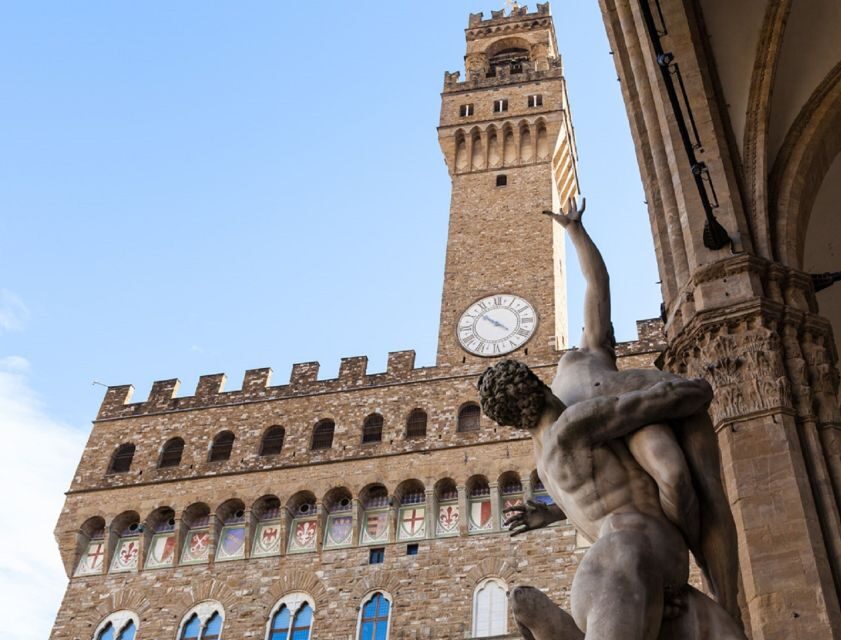
Once you arrive, you’re not left wandering with a map and a prayer. The plan is: take the train, do a short walk into the city center, then meet your guide at 10:00 AM in front of the Colonna dell’Abbondanza, Piazza della Repubblica.
This matters because the walking tour isn’t filler. It’s the backbone. Florence is the kind of city where one plaza looks like another… until someone points out what’s underneath the surface. Your guide sets the stage from Florentine history across centuries, including Roman origins and how the city evolved through the Renaissance.
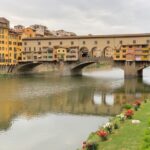
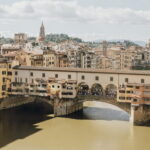
You’ll move through key sights along the way, including a pass-by of Ponte Vecchio. Even if you’ve seen Ponte Vecchio on a thousand postcards, having someone connect it to the city’s development makes it feel less like a photo backdrop and more like a living piece of urban planning.
One thing I like about a guided orientation in Florence: it helps you make decisions later during free time. After the walk, you’ll know what you’re looking at when you glance toward domes, bridges, and major squares. That reduces that common day-trip frustration—standing in front of something famous and realizing you don’t know what you’re supposed to notice.
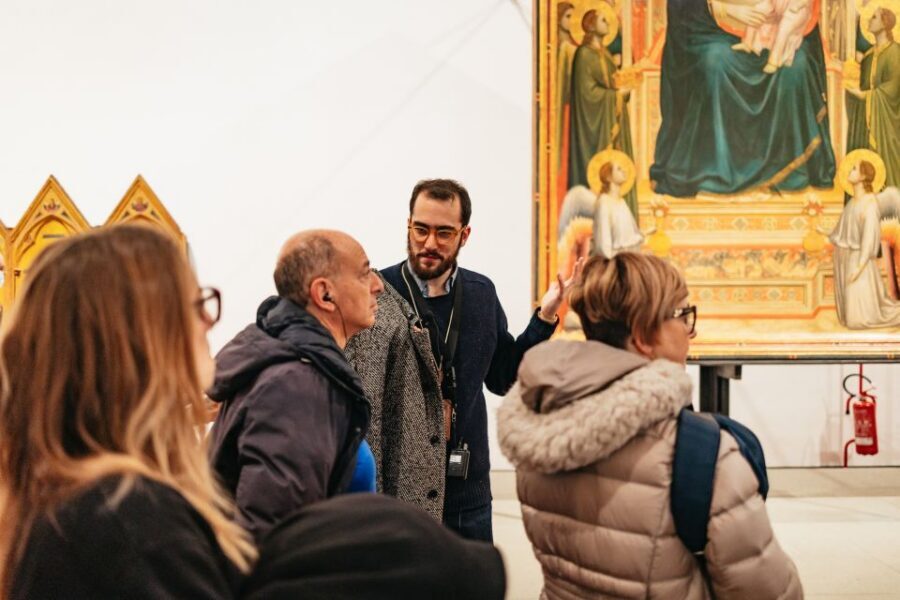
As for guide style, past groups have highlighted names like Julia and Emanuella for being friendly and attentive. That’s not just “nice to hear.” In museums, especially, attention to flow and pacing can make or break your day.
Uffizi courtyard + Brunelleschi’s Dome: architecture that frames the art
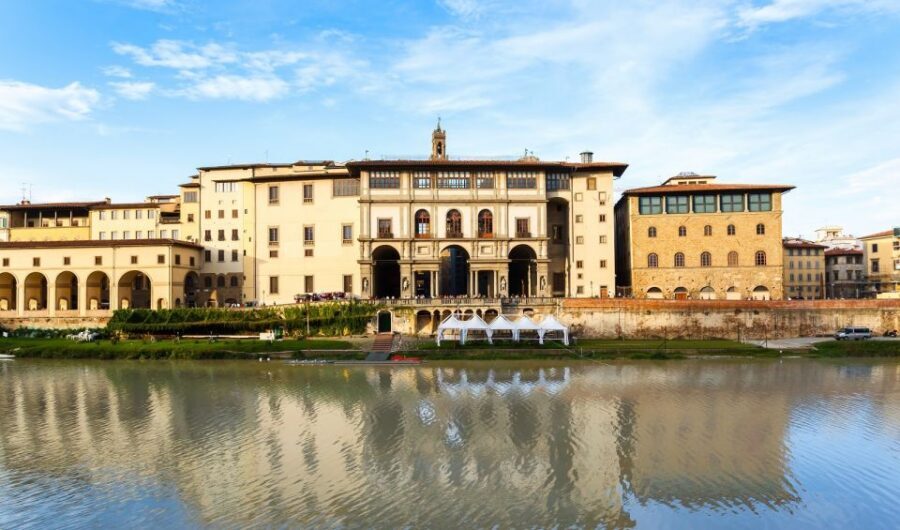
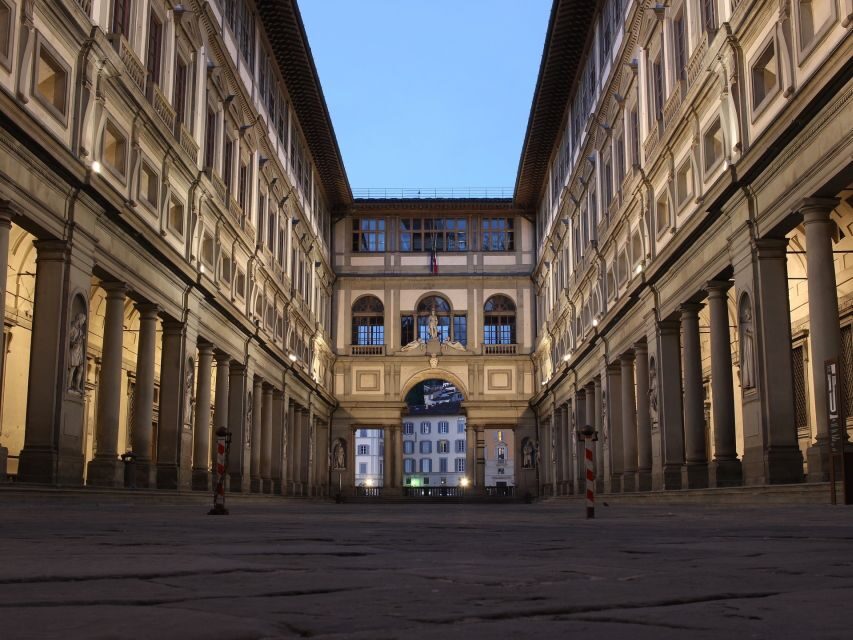
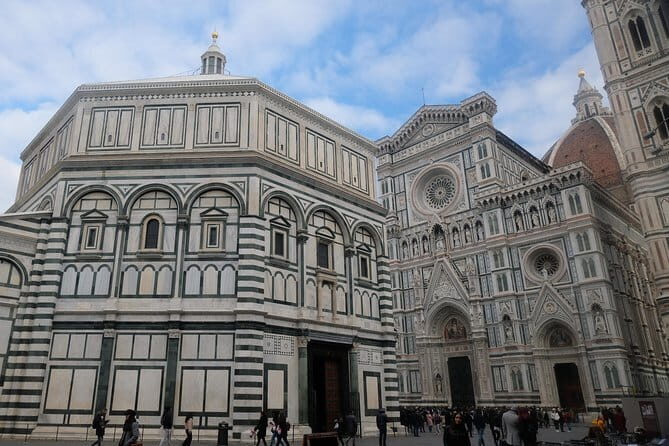
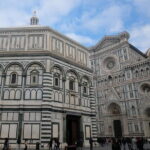
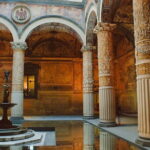
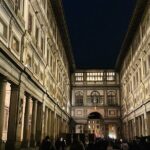
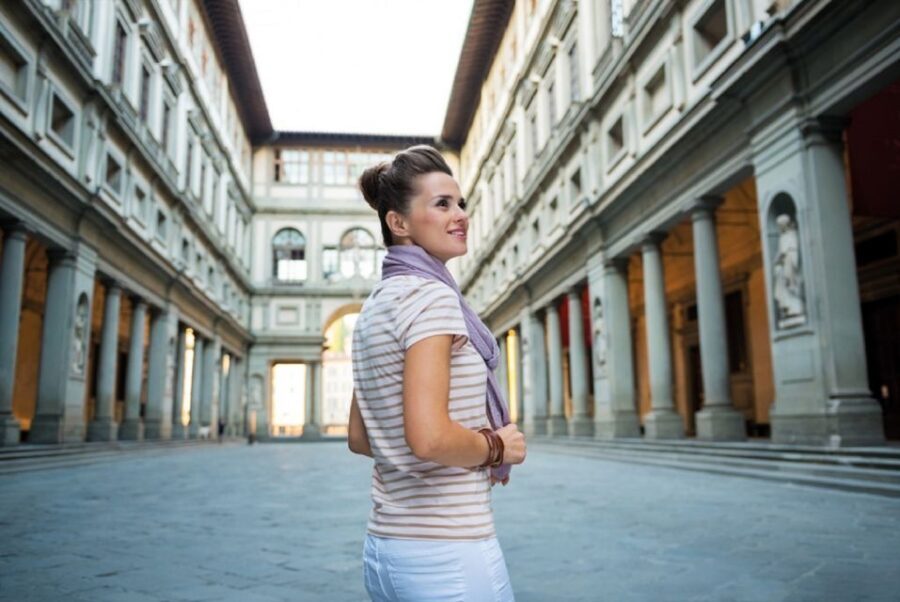
Before you settle into the Accademia and later the Uffizi, this day gives you a taste of Florence’s architecture brain. One moment you’ll hear about is the Uffizi courtyard and the architectural ideas connected to Brunelleschi’s Dome.
Why is that useful? Because Florentine Renaissance art doesn’t exist in a vacuum. People were building and painting with the same obsession: geometry, perspective, proportions, and a belief that the world could be measured and explained. When you see the architecture cues early, the later museum explanations land better.
This is also a smart pacing choice. Rather than sending you straight into galleries with zero context, you get a “visual warm-up” first. Think of it like tuning your ears before the music starts.
One consideration: you’ll be walking and moving during the tour. That’s why comfortable shoes aren’t a suggestion. And because you must be able to climb and descend stairs, if you’re someone who struggles with steps, you’ll want to plan accordingly.
If you’re the type who likes architecture as much as paintings, you’ll likely enjoy these stops. Even if you’re mainly there for masterpieces like Michelangelo’s David and Botticelli, architecture moments help you understand why Florence became the Renaissance hotspot in the first place.
Accademia Gallery: Michelangelo’s David, with the explanation that makes it click
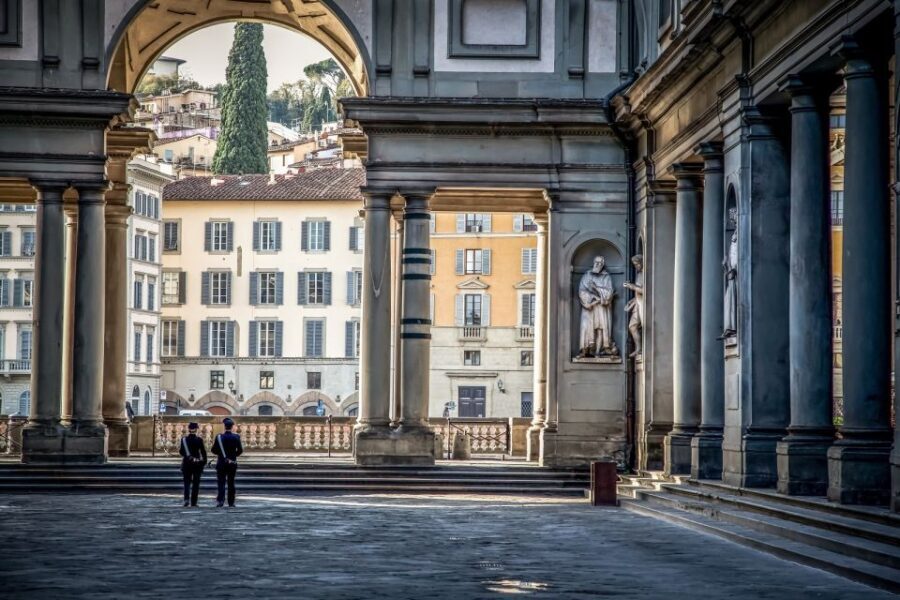
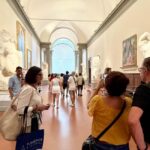
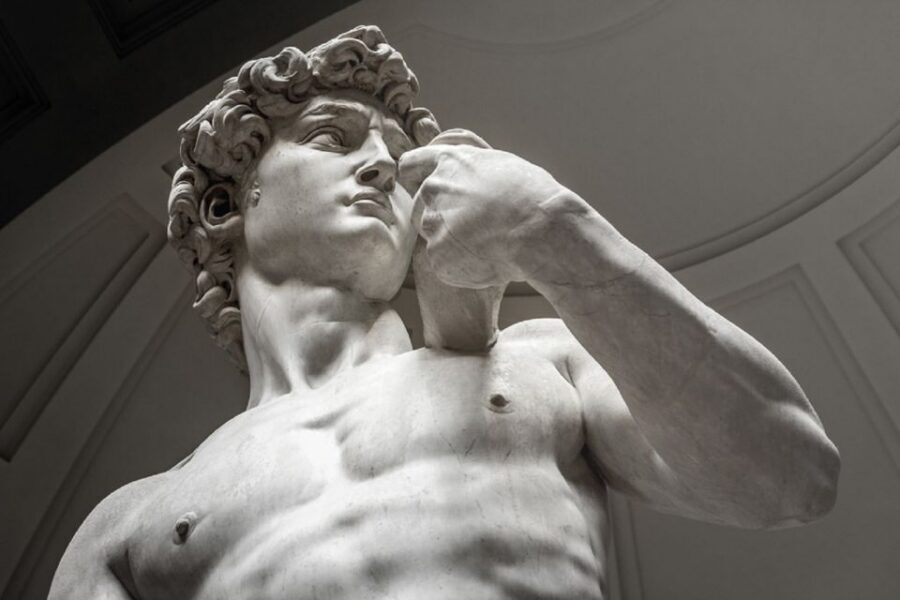
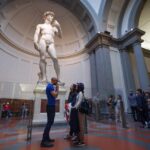
Your next major stop is the Accademia Gallery. The visit is guided for about 75 minutes, which is a sweet spot for a world-famous work: long enough to look closely, short enough that you don’t spiral into fatigue.
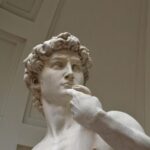
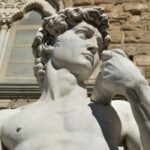
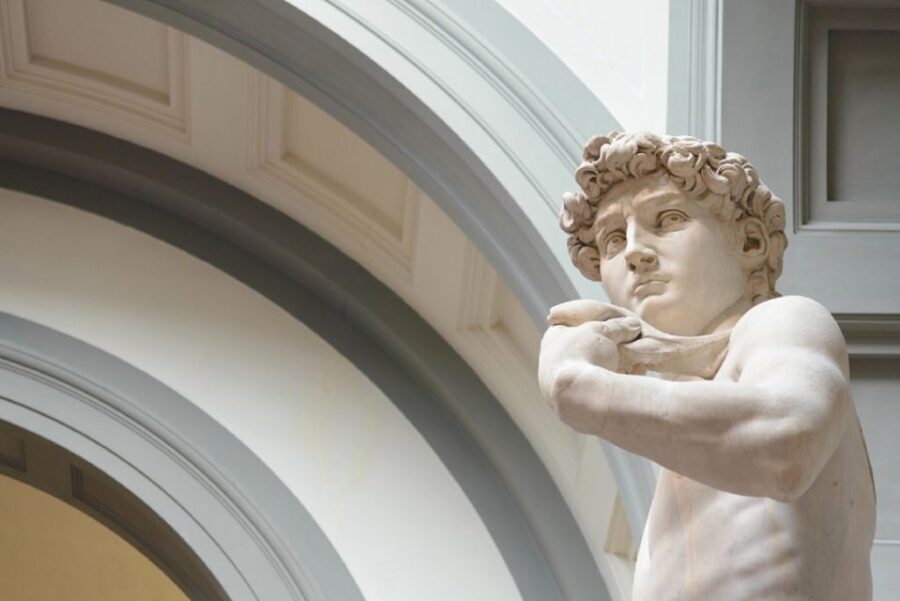
Let’s talk about Michelangelo’s David. The guide’s job here is to do more than confirm it’s famous. You’ll learn why the statue is considered the epitome of Florence’s identity, and you’ll get context for its history and significance. That kind of explanation changes the experience. Without it, David can become a “seen-it-on-a-poster” moment. With it, you start noticing proportions, energy, and what the artist was communicating.
If you’ve stood in front of David on your own before, you might remember the feeling: you look, you snap a photo, you move on. A guided visit slows you down just enough to see why people keep talking about this specific sculpture like it’s a cultural event.
Practical reality: Accademia is still a museum, so you’ll be standing and walking through rooms. Since you’re doing two big museums in one day, take breaks when you can. The guide can keep you focused, but your body is still your body.
Also keep an eye on timing and energy. You have another museum after this, so you’re not done yet. This is a good moment to hydrate and mentally switch gears from “Florence city story” to “Florentine art story.”
Lunch and free time: where to eat without breaking the day
After the morning of walking plus Accademia, you get a block of about 2.25 hours for a break. This is the built-in buffer that makes the day trip feel human instead of like a museum marathon.
Lunch isn’t included, so you’ll choose your own spot. The plan suggests options like bistecca fiorentina (classic Florentine steak) or pici (a Tuscan pasta). If that sounds like your kind of day, you’ll enjoy the freedom to pick where you sit and what pace you keep.
Here’s how I’d use the free time strategically:
- Grab lunch early in the window, not at the last minute.
- If you want a photo-heavy wander, do it after lunch while you still have energy.
- If you’re shopping, pick one “lane” (leather, paper goods, small artisan items) so you don’t burn time bouncing everywhere.
Because you’re returning to the Uffizi later, don’t overcommit to a long detour. You don’t want to spend your museum hours hungry, irritated, and running behind.
One more practical note: you’ll be back in Florence for a major museum visit, and the first Sunday of every month is a special case—Uffizi and Accademia are closed to the public. If your dates fall on that schedule, you’ll need a backup plan before you commit.
Other guided tours in Florence
Uffizi Gallery second visit: the big payoff for Renaissance paintings
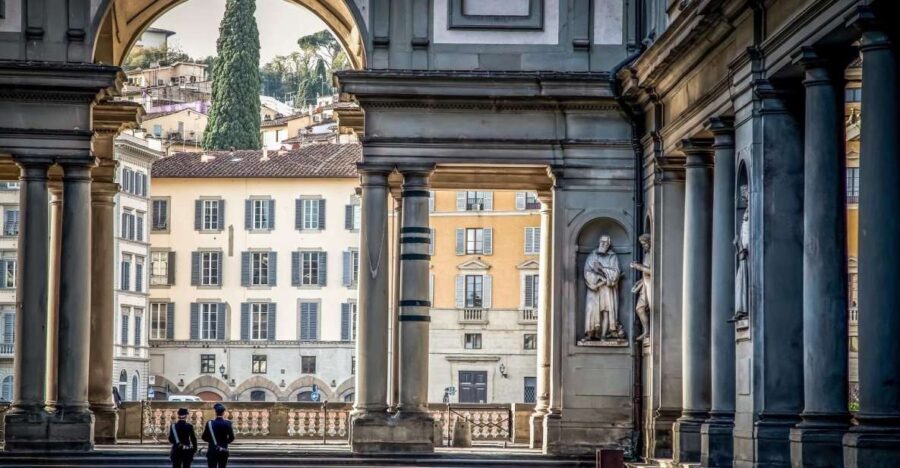
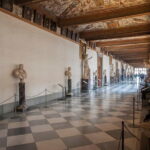
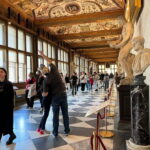
This is the part most art lovers are really here for: the Uffizi Gallery. You’ll visit it with a guide for about 2.25 hours. And yes, it’s a lot of time—but it’s also one of the best ways to experience the Uffizi without getting lost in a sea of masterpieces.
What makes this setup work is the order and the way you’re guided. You already get a Florence context from the morning walk, you’ve seen David at Accademia, and then you come back to Uffizi with the city story in your head. That makes the art feel less like random famous names and more like a coherent culture.
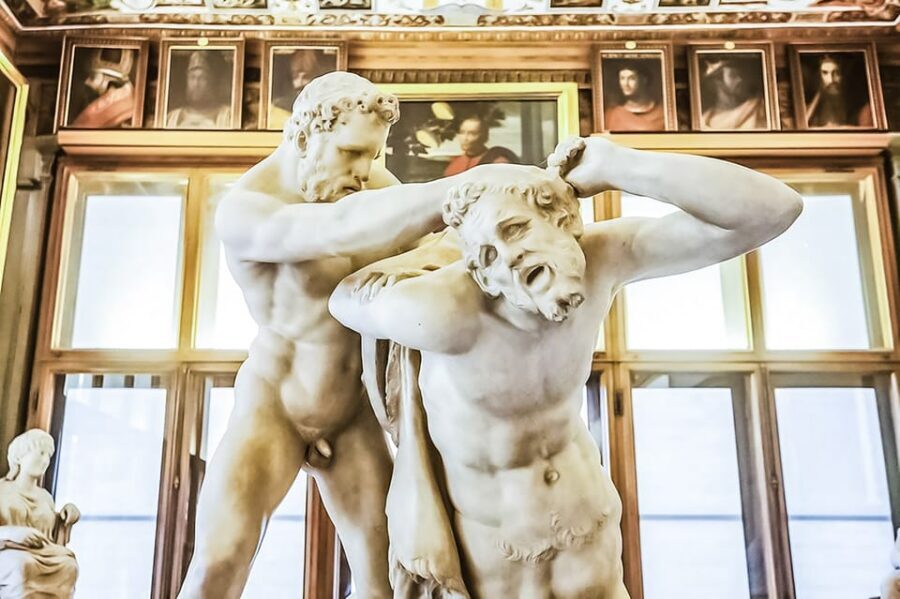
The guide focuses on works from the Middle Ages and beyond, including Renaissance giants. You’ll also learn how to recognize paintings you’ve seen in books, magazines, and TV. That sounds obvious, but it’s actually a huge advantage: you’ll start connecting the iconography and techniques to the real people and the real time period.
Expect to hear about artist techniques, tools, and craft choices. This is the kind of info that helps you look longer. Instead of rushing through for “the highlights,” you’ll notice things like how surfaces were built, how scenes were composed, and what each artist was trying to communicate beyond the subject matter.
One detail worth knowing: the Uffizi visit includes the guide’s interpretation of the era’s art so you can understand why Florence became the Renaissance center. That’s not just historical talk. It helps you make sense of why the museum feels like it’s organized around ideas, not just chronology.
And based on previous experiences with guides like Raphael, the best version of this tour includes lots of detailed, pointed explanations that keep you engaged rather than overwhelmed. If you’re lucky enough to get a guide with that “explain it like it matters” style, you’ll walk out feeling like you actually learned something, not just checked boxes.
What to expect from the group day format (and who it suits)
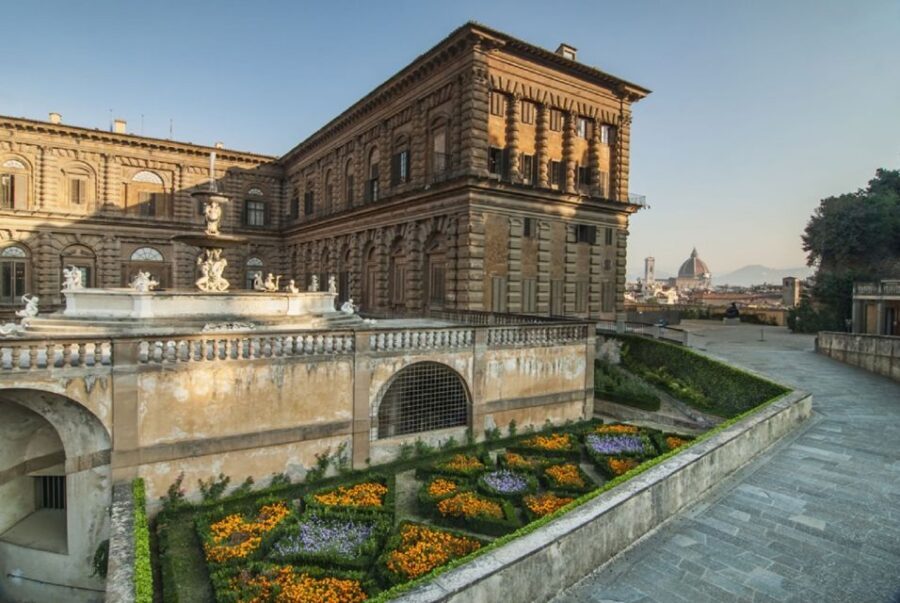
This is a classic “one day, big hits” format: train, walking tour, Accademia, lunch/free time, Uffizi, then the late-afternoon return to Rome. The value is efficiency. The challenge is stamina.
You’ll want this tour if you:
- want two top museums in one day without doing logistics yourself
- like having a guide explain what you’re looking at
- don’t want to spend hours deciding where to go in Florence
- are comfortable with museums and walking
You might think twice if you:
- hate early starts (your Florence train is around 7:15 AM)
- have difficulty with stairs, since the day includes stairs and you must be able to climb and descend
- need a long, flexible schedule for meals and breaks
Also, keep your expectations realistic. Even with skip-the-line entry, you’re still moving through crowds, checking rooms, and watching the clock. This tour gives structure. You still need to bring patience.
Should you book the Rome to Florence Uffizi & Accademia day trip?
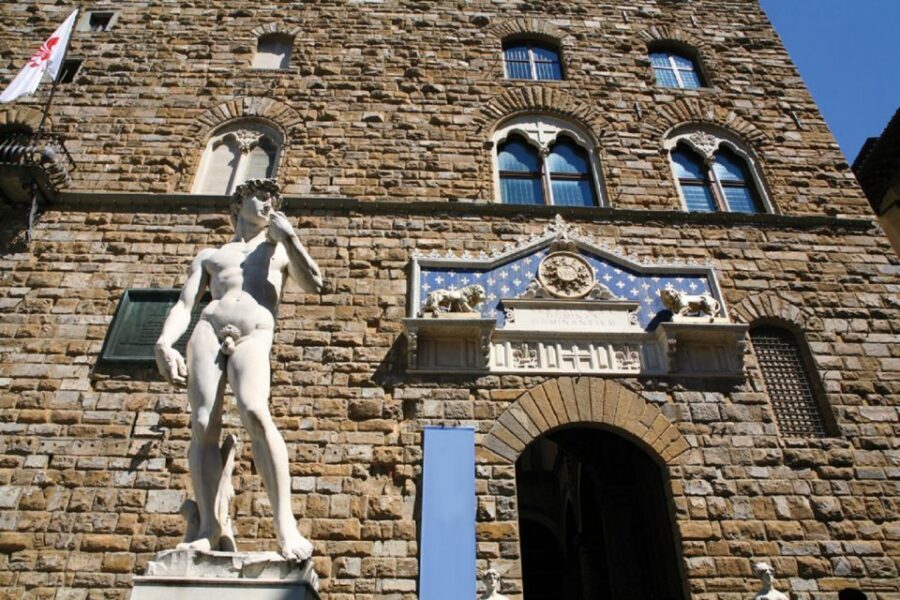
If you want Florence in one shot—train included, guide included, and the two most famous museum experiences guided—this is a strong option. The price is high, but it’s high in a way that’s explained: you’re paying for transportation plus museum access plus interpretation time. That’s hard to replicate cheaply without sacrificing convenience.
I’d book it if you love art and you want explanations that connect the pieces: city history on the walk, Michelangelo’s David at Accademia, then the broader Renaissance story at Uffizi. Guides like Julia, Emanuella, and Raphael have been highlighted for being attentive and information-rich, which is exactly what you want when your time in Florence is limited.
I’d skip it (or at least reconsider) if stairs are a problem for you or if you want a slower, more wandering day with longer meals. This is designed for momentum, not for drifting.
FAQ
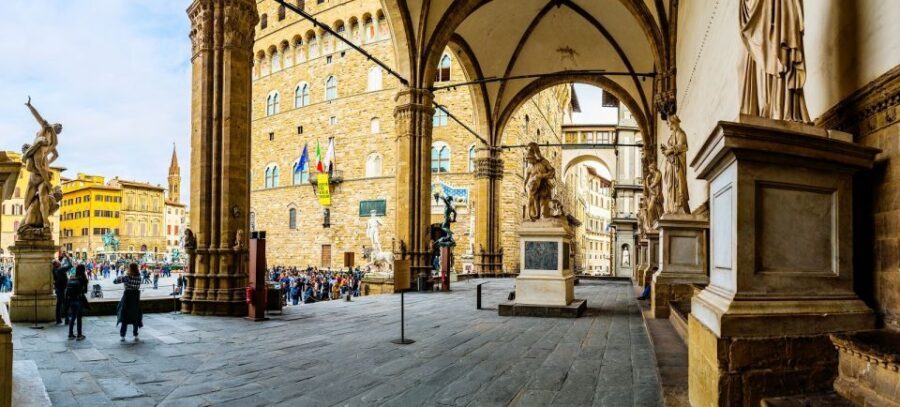
How do I get from Rome to Florence?
You travel on your own by high-speed train. Train tickets are provided by email the day before, and the schedule includes a Rome to Florence train at 7:15 AM.
Where do I meet my guide in Florence?
You meet at 10:00 AM in front of the Colonna dell’Abbondanza in Piazza della Repubblica, after a short walk from Santa Maria Novella.
Are the museum tickets included?
Yes. You get entrance to both the Accademia Gallery and the Uffizi Gallery, and both visits are guided.
Is lunch included?
No. Lunch isn’t included, and you’ll have free time (about 2.25 hours) to eat on your own.
What time does the tour end?
The day ends back at the meeting point in Florence, with the return train to Rome departing at about 6:48 PM.
Do I need to climb stairs?
Yes. The activity requires you to be able to climb and descend stairs.
When are the Uffizi and Accademia closed?
They are closed to the public on the first Sunday of every month.